



Rinsing shampoo completely from your pet’s coat is just as important as the washing itself. Leftover shampoo can cause several issues. It can irritate your pet’s skin, make their coat feel sticky or dull, and even attract dirt faster. A proper rinse ensures your pet’s coat is truly clean and comfortable. It also helps the coat look its best.
The Basics of Rinsing
Start your rinse from your pet’s head and work your way down to their tail and paws. Use lukewarm water. Water that is too hot can dry out skin and hair. Water that is too cold can be a shock. A spray nozzle or shower attachment helps direct the water flow effectively. You want to rinse until the water running off your pet’s coat is completely clear. The coat should feel clean and not slippery or sticky. This means all the shampoo has been washed away.
Rinsing Short and Smooth Coats
Dogs with short and smooth coats, like Beagles, Boxers, or Pugs, are often the easiest to rinse. The hair lies close to the skin, so shampoo does not get trapped easily. Still, pay attention to the entire body. Make sure to rinse the chest, belly, and under the legs thoroughly. Run your hands over the coat as you rinse to feel for any lingering suds or residue. Short hair can hide suds close to the skin.
Rinsing Double Coats
Double-coated breeds, such as Huskies, German Shepherds, or Samoyeds, present a bigger challenge. Their dense undercoats can hold onto shampoo very well. You need to use a strong but gentle water flow to penetrate both the topcoat and the undercoat. Use your fingers to lift sections of the coat. This allows the water to reach the skin. Work in small areas. Rinse one section until the water runs clear before moving to the next. This might take more time and patience. It is crucial to get all the shampoo out from the dense underlayer to prevent skin irritation.
Rinsing Long and Silky Coats
Breeds with long or silky coats, like Shih Tzus, Yorkies, or Afghan Hounds, require a gentle approach. Their hair can tangle easily when wet. Start by rinsing the top layer of hair. Then, carefully separate sections of the coat with your fingers. Allow the water to flow through each section. Be sure to rinse all the way to the ends of the hair. Long hair can hold onto shampoo, especially around the ears, tail, and legs. Continue rinsing until the hair feels clean and free of any slippery texture.
Rinsing Curly and Wiry Coats
Curly-coated breeds like Poodles and some Terriers have hair that can trap suds within its texture. Wiry coats also have a unique structure that needs careful attention. For these coats, you need to open up the curls or lift the wiry hair. This lets water reach the skin and rinse out trapped shampoo. Use your fingers to gently separate the hair while the water flows. You might need to rinse these coats longer. Ensure the water penetrates all the way through the tight curls or dense wiry texture. Feel the hair to make sure it is squeaky clean.
A Note on Shampoos
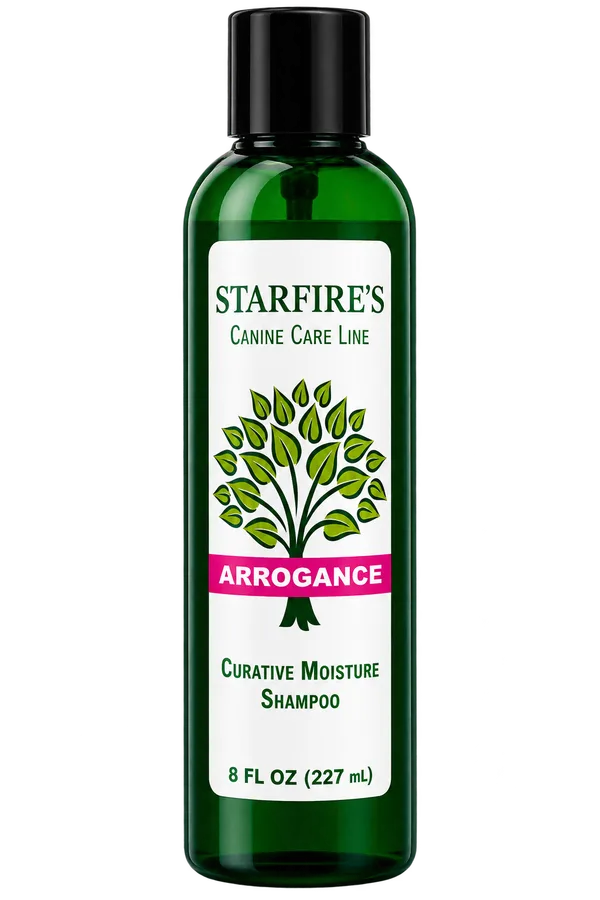
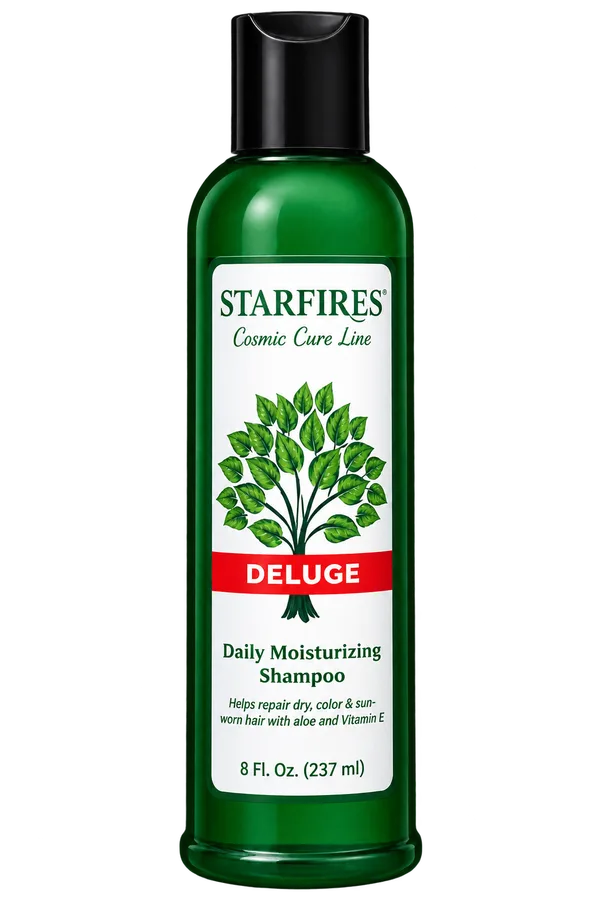
Different shampoos have different textures and ingredients. When you use a shampoo like Arrogance, which offers deep hydration, its rich formula may require a little more time and attention during rinsing to ensure every trace is gone. Even with a gentle cleanser such as Deluge, a thorough rinse is always necessary to prevent any residue from being left behind. Always follow the product instructions for rinsing. Some shampoos might need slightly more water to fully remove.
Taking the time to rinse your pet’s coat properly is a key step in their grooming routine. It helps maintain healthy skin and a shiny, clean coat. Patience and attention to detail will lead to better results for your pet.