





Long-haired cats are beautiful companions. Their flowing coats need regular care to stay pristine and free of mats. A consistent grooming routine keeps their fur healthy, shiny, and comfortable. It also helps reduce shedding and hairballs. We can help you keep your cat looking their best.
Daily Brushing for a Flawless Finish
Daily brushing is the most important step for a long-haired cat. It removes loose fur and prevents tangles from forming. This makes bath time easier and reduces shedding around your home. Regular brushing also helps distribute natural oils, keeping the coat shiny.
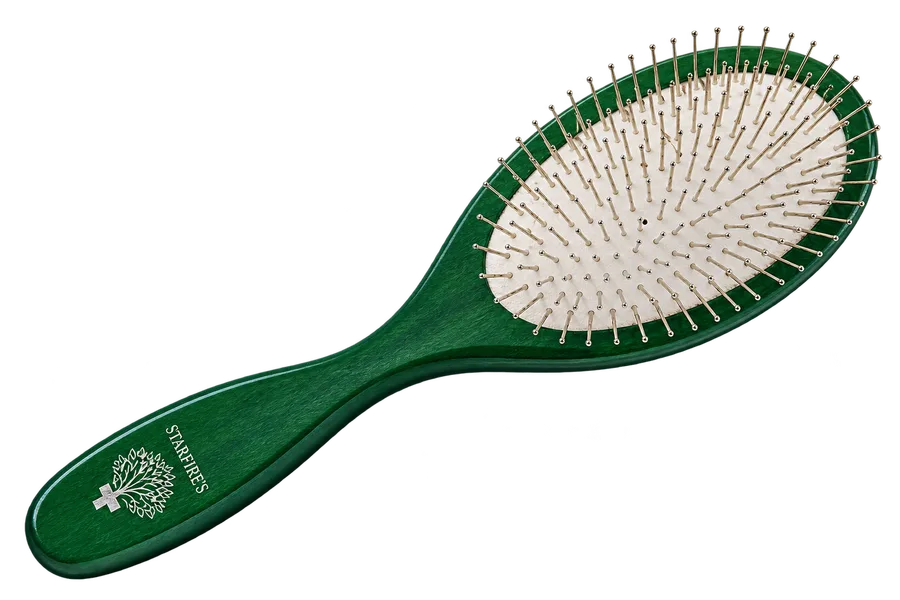
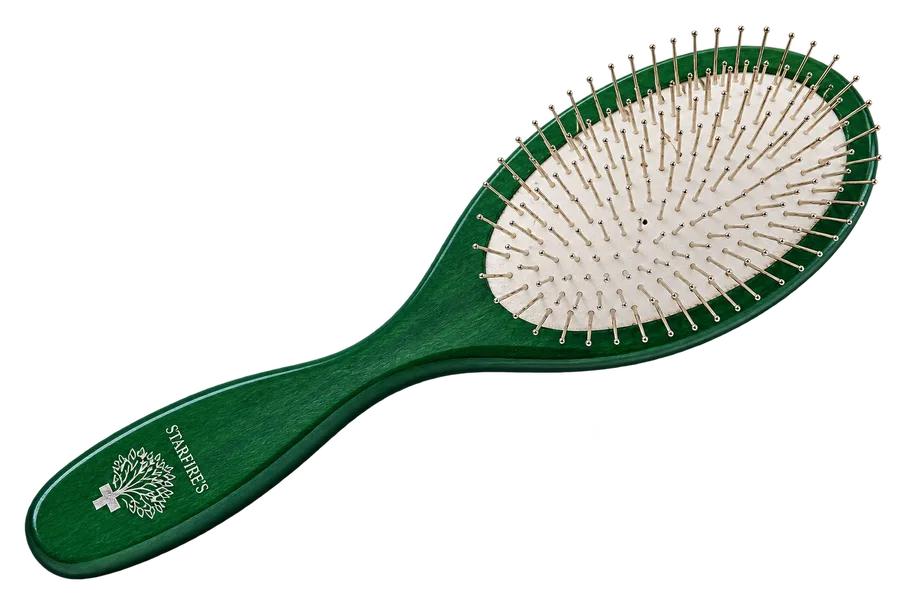
Start with a gentle touch. Many cats enjoy brushing when it is a calm experience. Use a slicker-style brush with soft-tipped tines. For smaller cats or delicate areas like behind the ears and under the legs, the Small Size Metallic Brush with Extra Long Tines works well. Its extra-long tines reach deep into dense fur without scratching the skin. For larger cats or broader areas like the back and sides, the Big Size Metallic Brush covers more ground efficiently. Brush in the direction of hair growth, working through small sections at a time. Be especially careful around sensitive areas.
Tackling Tangles and Mats
Even with daily brushing, tangles can form. These need careful attention to avoid pulling your cat’s skin. Never try to cut out mats with scissors, as this can be dangerous. Instead, use a comb to work through them gently.
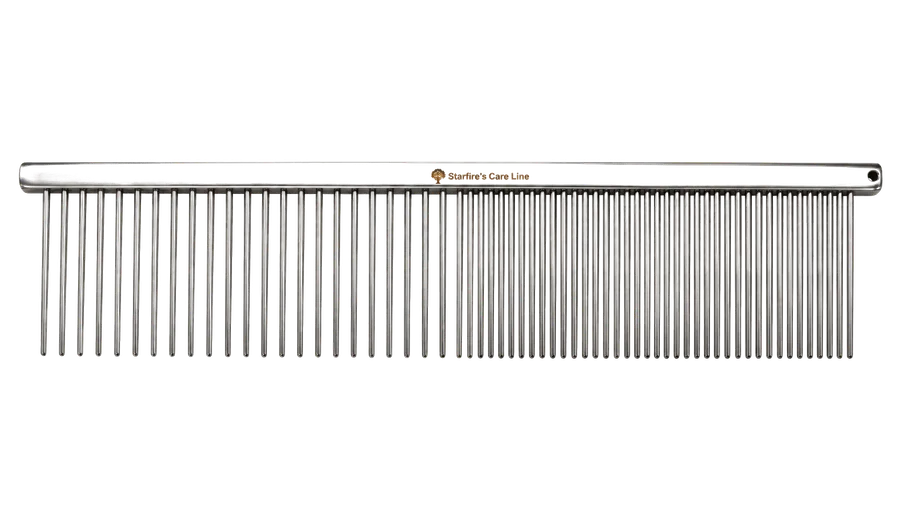
For minor tangles, Professional Combs can help. Start at the very ends of the fur, holding the fur close to the skin to minimize pulling. Work your way slowly towards the root, using short, gentle strokes. The wide-tooth section of the comb is good for larger areas. The finer teeth can help smooth out the coat once tangles are removed. If you encounter a stubborn mat, try to gently separate it with your fingers first. Then use the comb. Patience is key. If a mat is too tight or large, consider a professional groomer. You can explore all our grooming tools to find what works best for your cat’s coat needs.
Bathing Your Long-Haired Cat
While cats are self-groomers, long-haired breeds sometimes need a bath. This helps keep their coat clean and free of oils or debris that brushing alone cannot remove. Use a shampoo made specifically for cats. Never use dog shampoo on a cat.
After bathing, gently blot your cat’s coat with a highly absorbent towel. The Big Size Microfiber Towel is excellent for this. It quickly absorbs excess water without rubbing or causing more tangles. Avoid vigorous rubbing, which can mat the fur. Instead, press the towel against the coat, lifting water away. Follow with air drying or a low-heat, low-speed pet dryer, always keeping a safe distance. Keep the drying process calm and positive.
Finishing Touches and Eye Care
Once your cat’s coat is dry and brushed, look for any remaining details. This is the time to address tear stains, which can be common in some long-haired or flat-faced cat breeds.
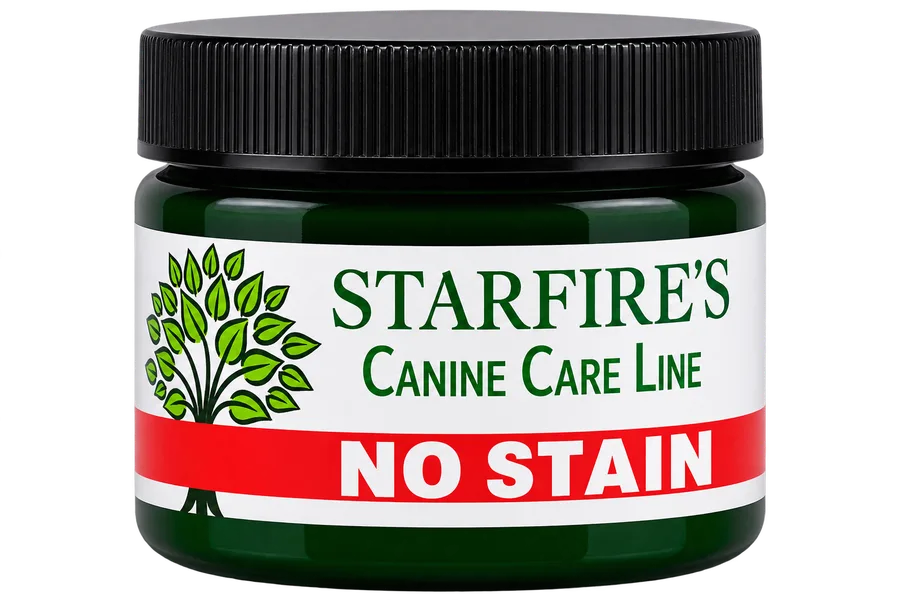
For these stains, use No Stain. This powder is made for both dogs and cats. It helps to keep the area around the eyes clean. Apply it with a clean cotton swab. Dip the swab into the powder and gently apply it to the stained areas. Be careful not to get any powder in your cat’s eyes. Always use a fresh cotton swab for each application to keep the powder in the jar clean. Regular application helps maintain a bright, clean face.
What you need
- Small Size Metallic Brush with Extra Long Tines: for daily brushing of smaller cats or delicate areas.
- Big Size Metallic Brush: for daily brushing of larger cats and broad coat areas.
- Professional Combs: for detangling and checking the coat for knots after brushing.
- Big Size Microfiber Towel: for blotting excess water after a bath.
- No Stain: for daily application to clean tear stains around the eyes.
Find more tips and routines for keeping your pet looking their best on our routines page.