



Wire-haired cats have a distinct coat that feels coarse and springy. Breeds like the American Wirehair have a resilient, protective outer layer and a soft undercoat. This texture is beautiful, but it can also be prone to matting if not cared for regularly. Mats can pull on your cat’s skin and cause discomfort.
Regular grooming helps keep their coat healthy and comfortable. It also strengthens your bond with your cat.
Understanding Your Wire-Haired Cat’s Coat
The unique texture of a wire-haired cat’s coat means it can trap loose hair easily, especially in the undercoat. This trapped hair, combined with shed fur, can quickly form tangles and then mats. Mats are more likely to form in areas where there is friction, like behind the ears, under the legs, or around the hindquarters. A consistent brushing routine is the best way to prevent these issues.
Daily Brushing for Mat Prevention
Brushing your wire-haired cat daily or every other day is important. It removes loose hair, distributes natural oils, and helps prevent tangles from tightening into mats. A good brush can reach through the topcoat to address the undercoat where many mats begin.
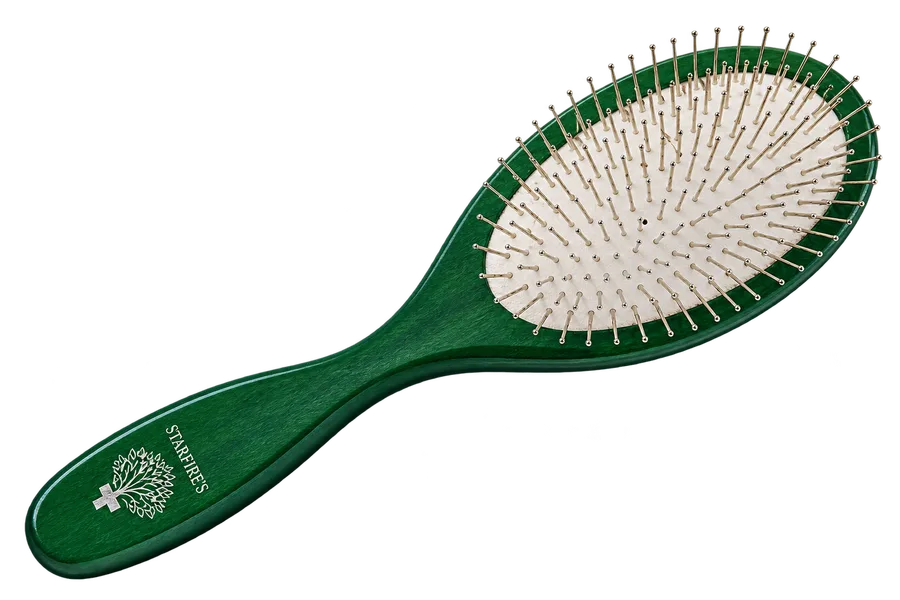
Start your brushing sessions when your cat is relaxed. Use a gentle touch. For wire-haired coats, a slicker-style brush with long tines can be very effective. The Small Size Metallic Brush with Extra Long Tines is designed to reach through dense or long coats, and its soft-tipped tines are gentle for both dogs and cats. Brush in the direction of hair growth, but also gently against it in some areas to lift loose undercoat. Always be careful around sensitive spots like the stomach and tail.
Make brushing a positive experience with treats and praise. Short, frequent sessions are often better than long, infrequent ones.
Tackling Knots Gently
Even with regular brushing, you might find small knots. It is important to address these before they become larger mats. Never pull at a knot. Instead, use your fingers to gently try to loosen it. If it is stubborn, a professional comb can help.
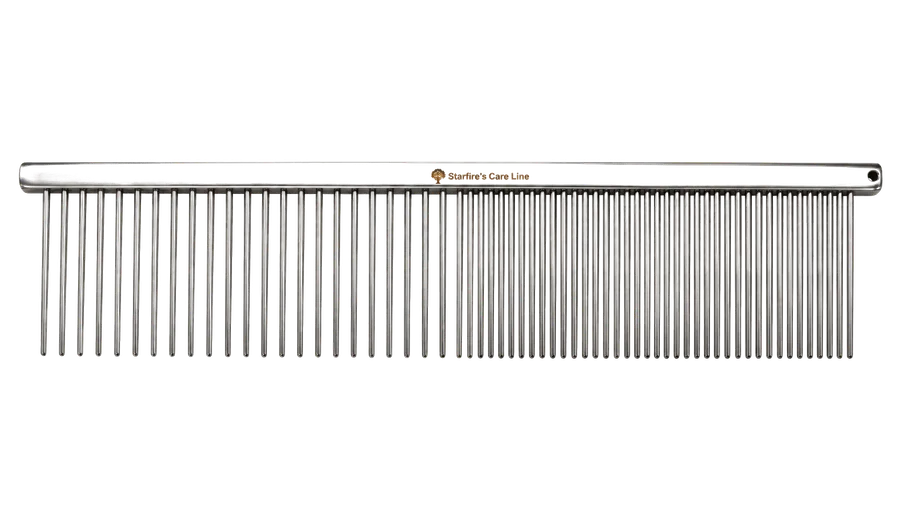
Use a Professional Comb to carefully work through the knot. Start at the very end of the tangle and work your way up towards the skin, holding the hair closer to the skin to prevent pulling. A wide-tooth comb can help define the coat without breaking it up. If a mat is too tight or close to the skin, it is best to consult a professional groomer to avoid injuring your cat.
After brushing and combing, run the comb from root to tip over the entire coat. This is a final check for any missed knots.
Bathing and Drying
While wire-haired cats do not always need frequent baths, a bath can help remove dirt and excess oils. When you do bathe your cat, use a shampoo made for cats. Make sure to rinse thoroughly to remove all product residue.
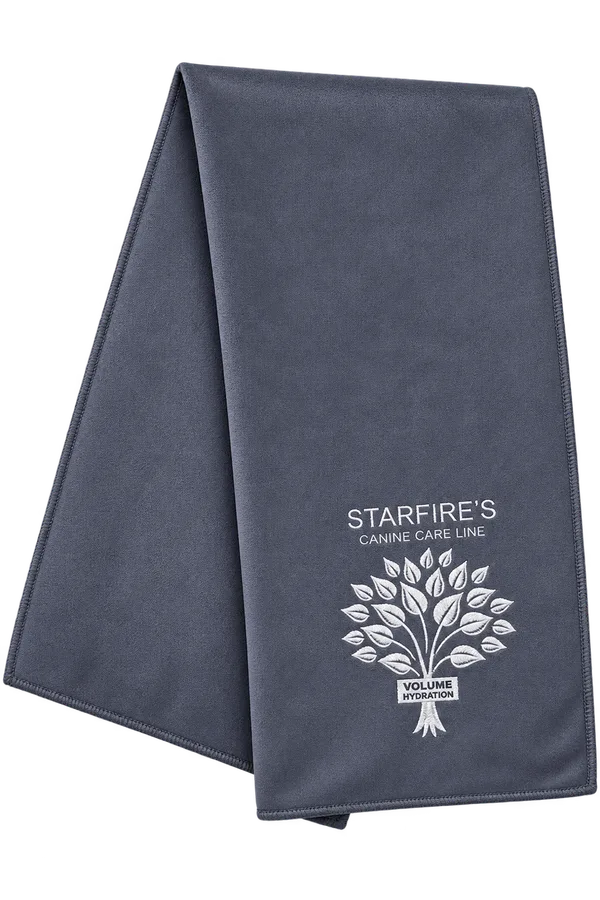
After a bath, blot your cat’s coat with a highly absorbent towel. A Big Size Microfiber Towel will help remove excess water quickly. Avoid rubbing vigorously, as this can create new tangles. Instead, gently squeeze and pat the coat dry. Allow the coat to air dry completely or use a low-setting, cool-air dryer if your cat tolerates it. Ensure the coat is fully dry before any final brushing to prevent matting.
Addressing Facial Stains
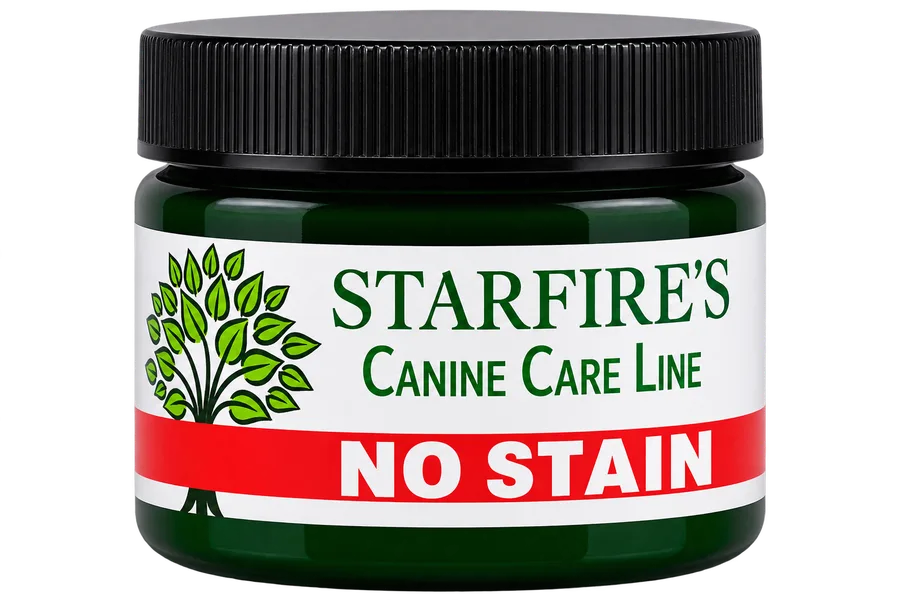
Some cats, including certain wire-haired breeds, can develop tear stains around their eyes. Maintaining cleanliness in this area is part of overall grooming. No Stain is a daily powder made for dogs and cats that helps keep the area around the eyes clean. Apply it with a clean cotton swab. Remember to never dip your fingers into the jar to keep the powder free of contamination.
What you need
- Small Size Metallic Brush with Extra Long Tines: for daily brushing to reach through dense coat.
- Professional Combs: to gently detangle knots and check for them after brushing.
- Big Size Microfiber Towel: for blotting your cat’s coat after a bath.
- No Stain: for maintaining cleanliness around the eyes.
For more grooming tools and accessories, visit our Grooming Tools collection. If you would like a routine built for your pet, consult our Grooming Advisor.