



Woolly coats on cats can be beautiful, but they need regular care. These coats are often dense and soft, which makes them prone to matting. Mats can be uncomfortable for your cat and can pull on their skin. Regular grooming at home can keep their coat healthy and prevent these issues.
Understanding Your Cat’s Woolly Coat
A woolly coat is typically thick, soft, and has a dense undercoat. Breeds like Persians, Himalayans, and some domestic longhairs often have this coat type. The fine hairs in these coats can easily tangle together, especially in areas with friction like behind the ears, under the front legs, and around the hindquarters. Consistent brushing is key to managing these coats.
Essential Tools for Detangling
Having the right tools makes a big difference. For a cat’s woolly coat, you need brushes and combs designed to work through dense fur gently. These tools help remove loose hair and prevent mats from forming.
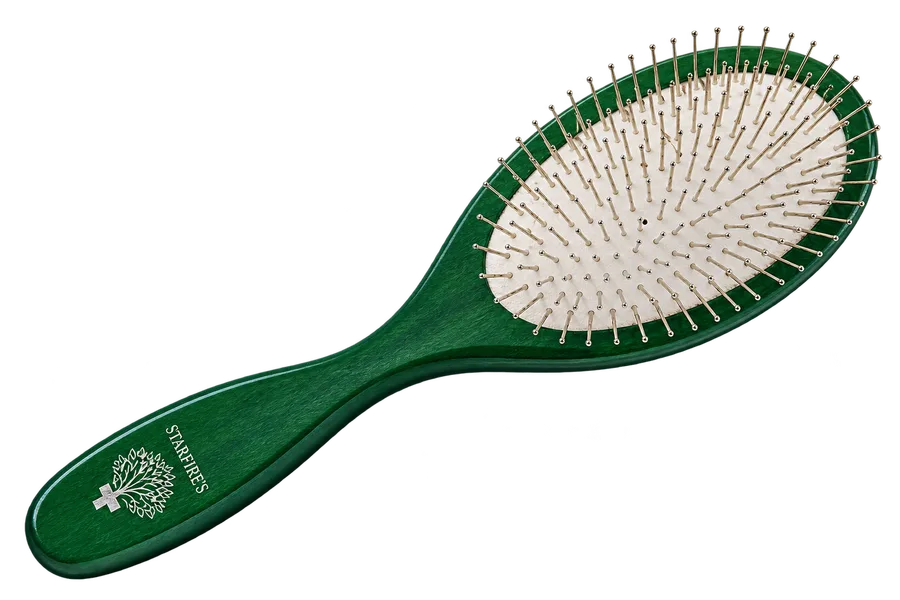
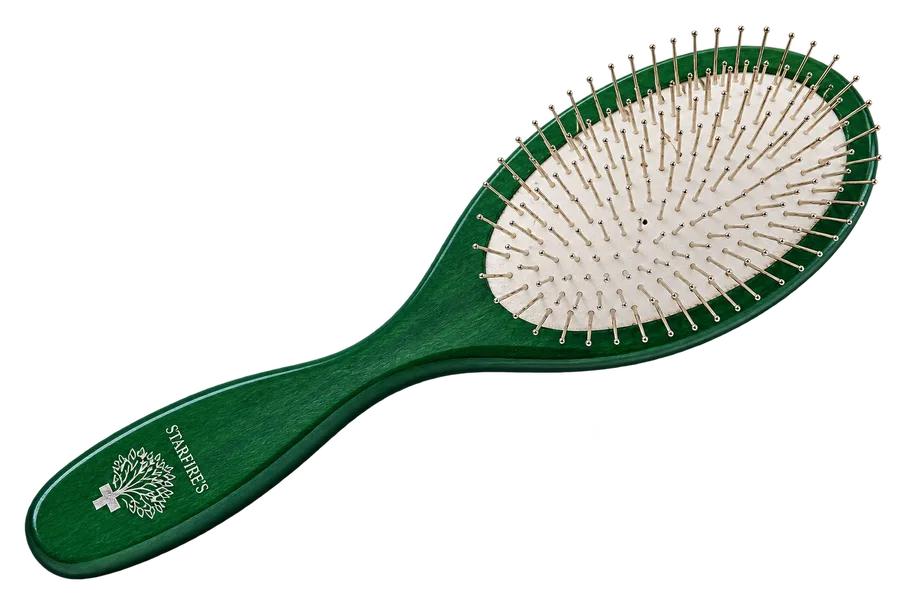
A Small Size Metallic Brush with Extra Long Tines is excellent for reaching deep into your cat’s dense woolly coat. Its extra-long, soft-tipped tines can separate individual hairs without scratching the skin. For larger areas or bigger cats, a Big Size Metallic Brush can cover more ground efficiently.
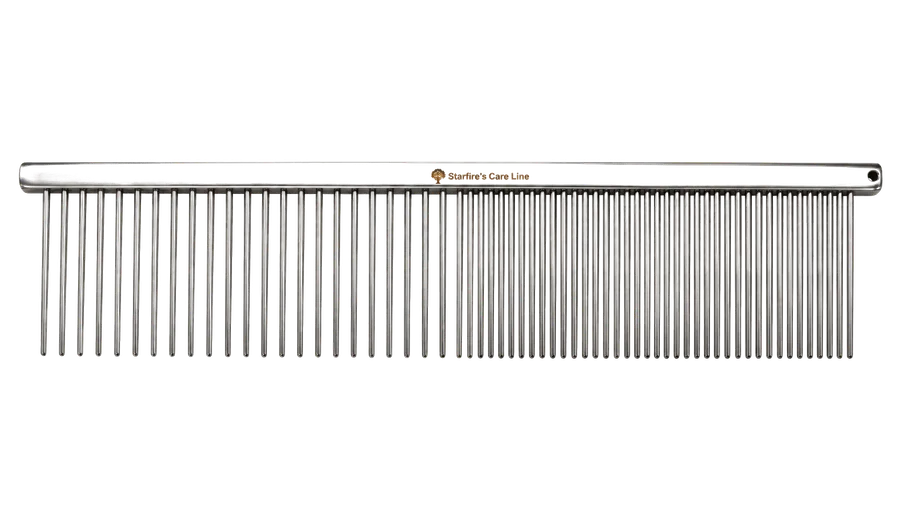
After brushing, Professional Combs are essential. A wide-tooth comb can gently work through smaller tangles, while a finer comb can check for any remaining knots and smooth the coat.
How to Brush and Detangle
Start your grooming session when your cat is relaxed. A quiet time can make the experience more pleasant for both of you. Always be gentle and patient.
-
Start with gentle brushing: Use the Small Size Metallic Brush with Extra Long Tines to go through the coat, starting from the extremities and working your way towards the body. Brush in the direction of hair growth. Pay close attention to areas where mats frequently form, like behind the ears, under the legs, and around the tail. The long tines help you get through the thick undercoat.
-
Address small tangles: If you encounter a small tangle, gently work through it with the brush. If it’s a bit stubborn, use the wide-tooth side of the Professional Combs to carefully tease it apart, holding the hair closer to the skin to avoid pulling. Never yank or pull at mats, as this can hurt your cat.
-
Check with a comb: Once you have brushed the entire coat, use the fine-tooth side of your professional comb. Run it through the coat from root to tip. If the comb glides through without snagging, you’ve done a good job. If it catches, go back with your brush and gently work on that area again.
-
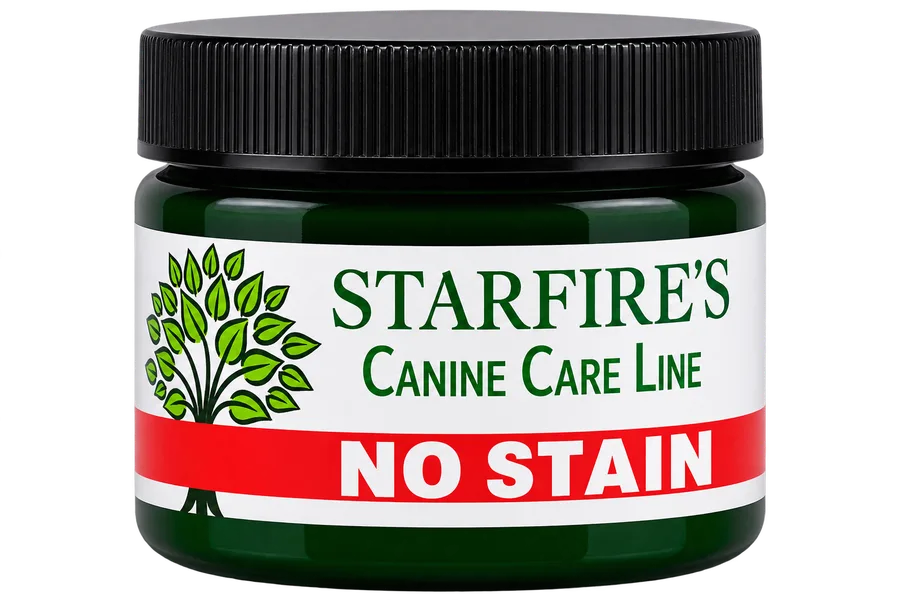
Finish with a quick wipe: For any facial stains, especially around the eyes of flat-faced breeds, a daily application of No Stain powder can help. Apply it with a clean cotton swab, making sure not to dip your fingers into the jar to keep the powder clean.
Maintaining a Healthy Coat Between Baths
Regular brushing, even for short periods, is the best way to maintain a woolly coat. Daily brushing helps remove loose hair, prevents new mats, and distributes natural oils. This keeps the coat healthy and shiny. Aim for a few minutes each day, or at least several times a week, depending on how quickly your cat’s coat tends to tangle. You can find more grooming tools for different needs on our Grooming Tools page.
What about bathing?
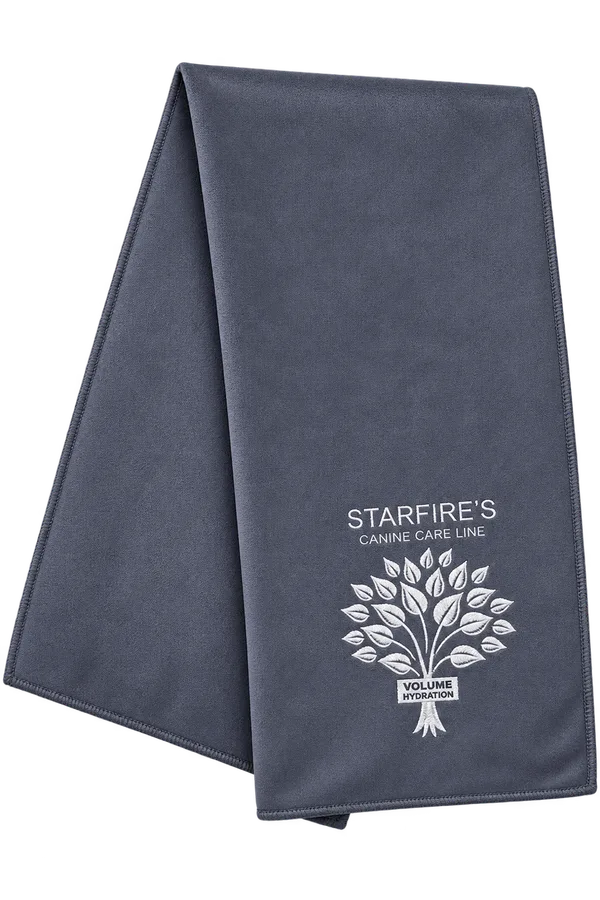
If your cat needs a bath, use a shampoo specifically made for cats. After bathing, a Big Size Microfiber Towel can quickly absorb excess water, making drying faster and less stressful for your cat. Gently blot the coat rather than rubbing, which can create tangles.
What you need
- Small Size Metallic Brush with Extra Long Tines: for reaching through dense or long coat, especially on smaller cats.
- Big Size Metallic Brush: for larger cats and broad areas of coat.
- Professional Combs: for detangling and checking for knots.
- No Stain: for daily application around the eyes to help with tear stains.
- Big Size Microfiber Towel: for blotting the coat after a bath.
For a routine built for your pet’s specific needs, explore our Grooming Advisor.