





Woolly coats on cats are beautiful. They are also prone to matting and tangles. A consistent grooming routine helps keep your cat comfortable and their coat healthy. Regular care prevents issues and keeps your cat’s coat looking its best, whether for home enjoyment or preparing for a show.
Understanding Your Cat’s Woolly Coat
Woolly coats are typically dense, with a soft, fine texture. This density makes them excellent insulators, but it also means they can trap loose hair and debris easily. Without regular brushing, these coats quickly develop mats close to the skin. Mats can be painful for your cat and, if left untreated, can lead to skin irritation. Understanding your cat’s coat type is the first step toward effective grooming.
The Importance of Daily Brushing
Daily brushing is the cornerstone of caring for a woolly-coated cat. It removes loose hair, prevents mats, and distributes natural skin oils. This keeps the coat shiny and healthy. Start with a gentle approach, especially if your cat is new to grooming. Use short, soft strokes and make it a positive experience.
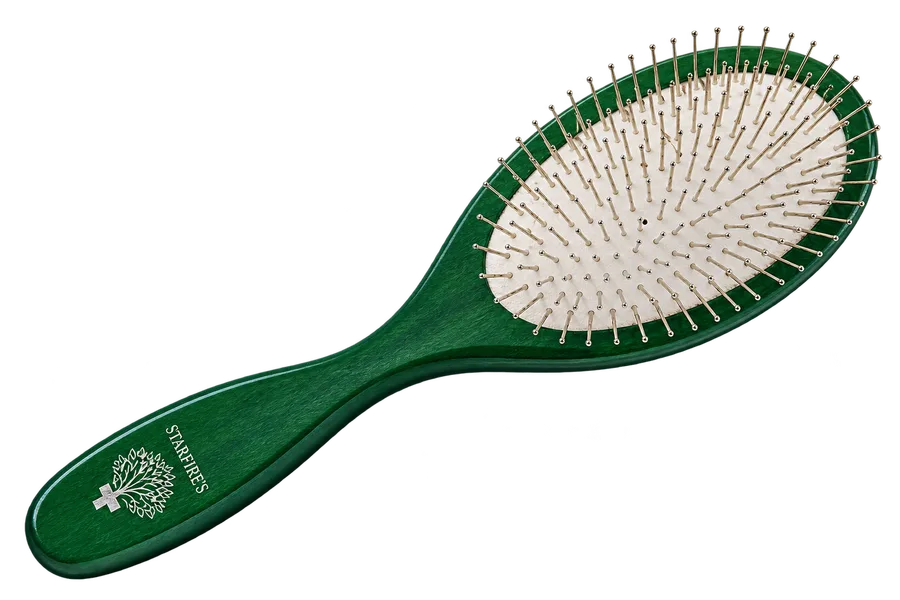
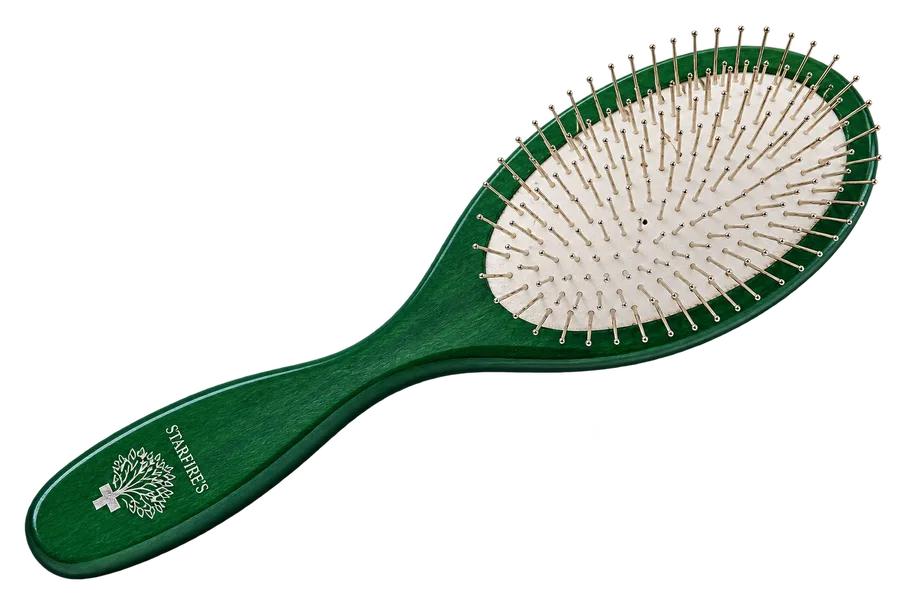
For dense woolly coats, a slicker-style brush with long tines is very effective. The Small Size Metallic Brush with Extra Long Tines can reach deep into the coat without scratching the skin. For larger cats or broader areas of the body, the Big Size Metallic Brush works well. Brush in the direction of hair growth, working through small sections at a time. Pay close attention to areas where mats often form: behind the ears, under the chin, in the armpits, and along the hind legs.
Tackling Mats and Tangles
Even with regular brushing, some tangles can form. It is important to address them quickly before they become tight mats. Never pull at a mat. This can hurt your cat and make them fearful of grooming.
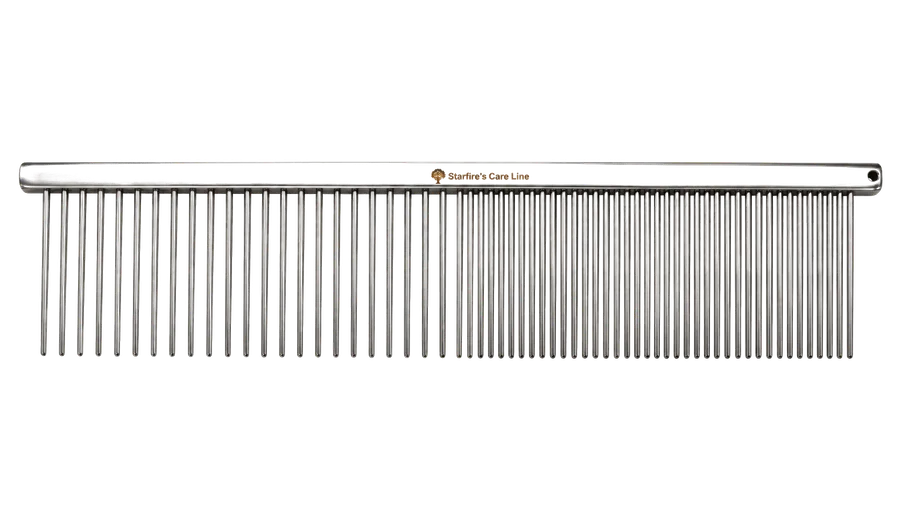
Instead, use a Professional Combs to carefully work through tangles. Start with the wide-tooth end to gently separate the hair. Hold the hair at the base of the mat, close to the skin, to reduce pulling. Work slowly, picking at the edges of the mat rather than trying to comb through it directly. Once the tangle starts to loosen, you can switch to the finer-tooth end of the comb to smooth the area. If a mat is too tight or large, it is best to consult a professional groomer or veterinarian.
Bathing Your Woolly-Coated Cat
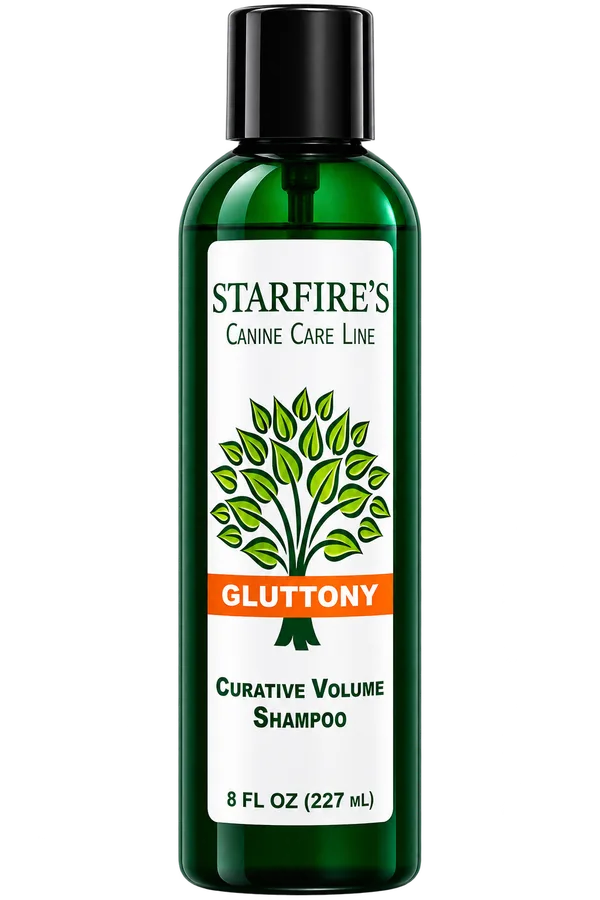
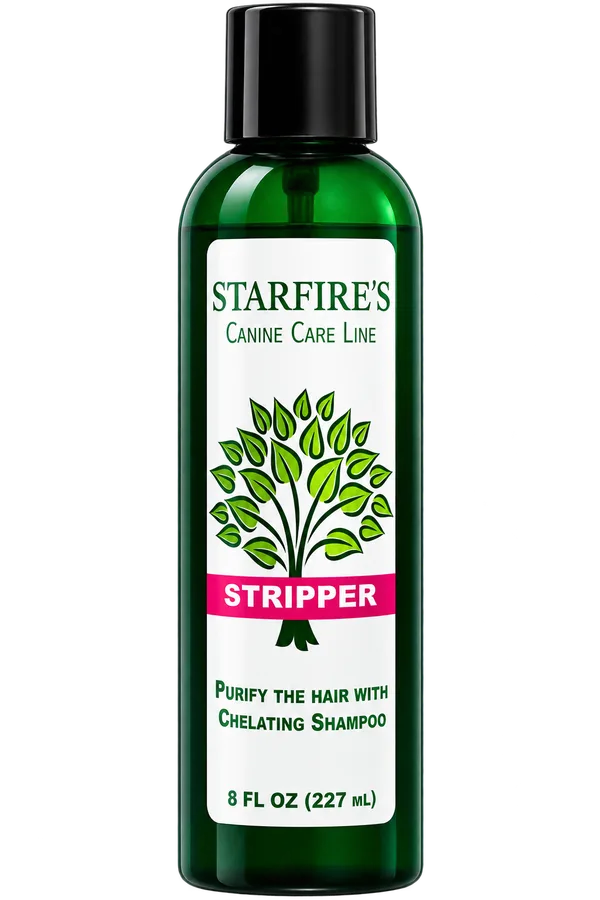
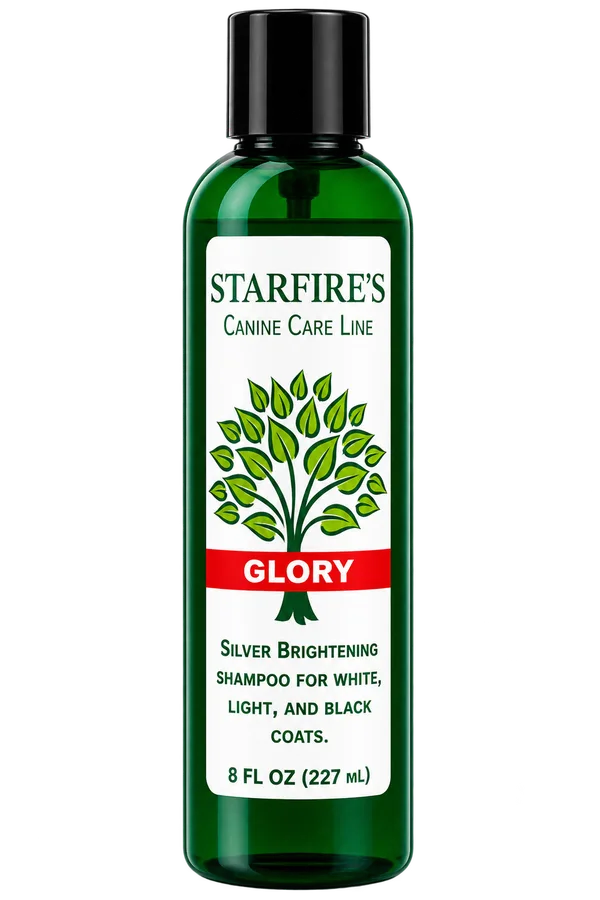
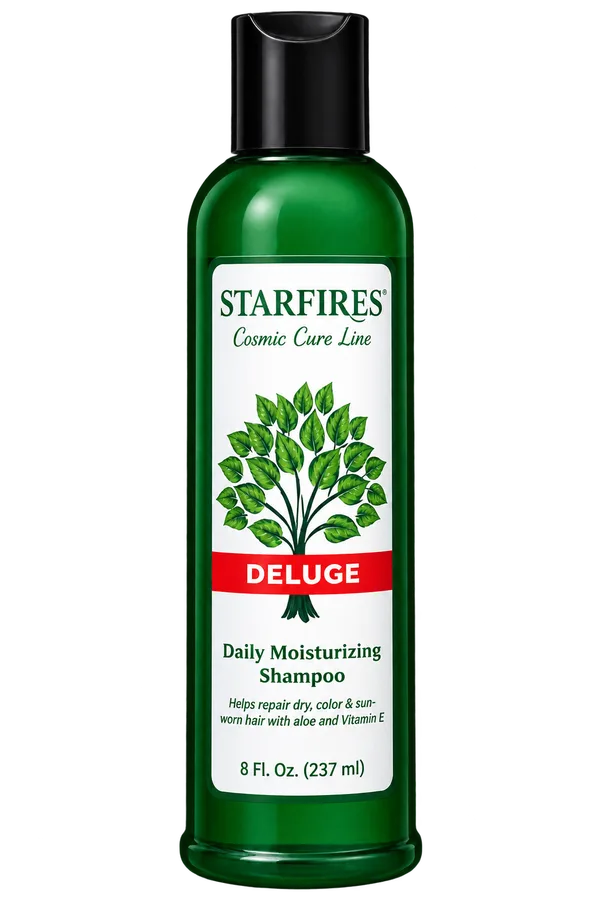
While brushing is primary, occasional baths can help keep a woolly coat clean and free of debris. When bathing your cat, always use a shampoo made specifically for cats. Never use dog shampoos or human products.
Before bathing, make sure to thoroughly brush and detangle the coat. Water can tighten existing mats, making them harder to remove. Use lukewarm water and work the cat-safe shampoo gently into the coat. Rinse thoroughly to ensure no residue is left behind, as this can irritate the skin or dull the coat.
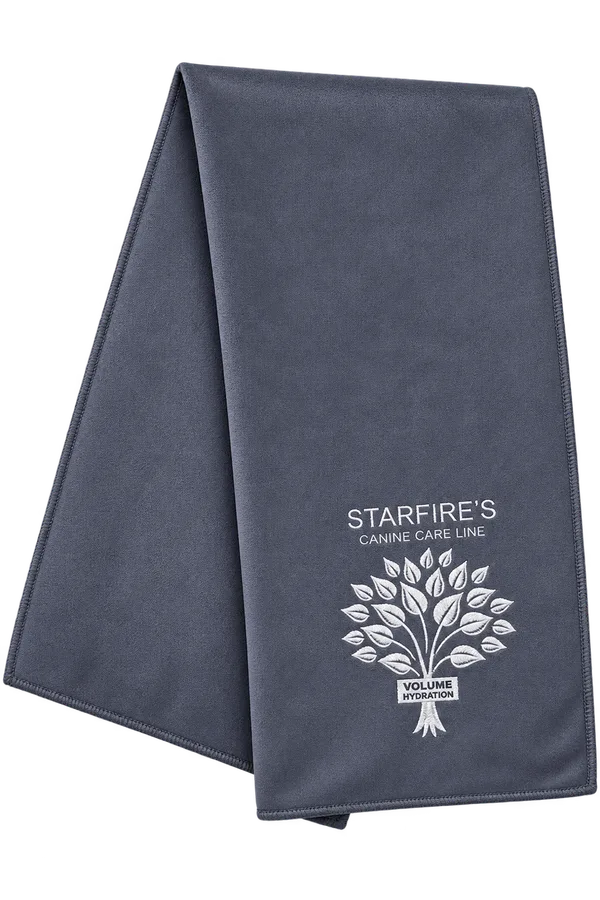
After the bath, blot your cat’s coat with a highly absorbent towel. The Big Size Microfiber Towel is excellent for this. Gently squeeze excess water from the coat. Avoid rubbing vigorously, which can create tangles. Allow your cat to air dry in a warm, draft-free area, or use a low-setting pet dryer if your cat tolerates it. Continue to gently comb the coat as it dries to prevent new tangles from forming.
Finishing Touches and Tear Stain Care
Once the coat is dry and fully combed, you can address any specific areas that need extra attention. For cats with light-colored coats, tear stains can be a common concern. These are often visible around the eyes and can detract from a pristine appearance.
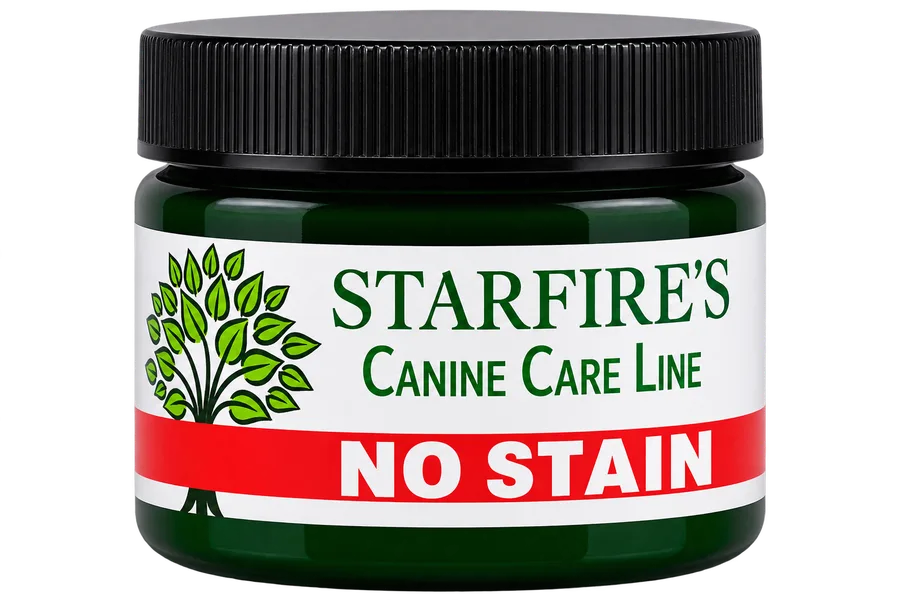
To manage tear stains, use No Stain. This powder is formulated for use around the eyes of both dogs and cats. Apply a small amount with a clean cotton swab. Make sure to use a fresh swab each time and avoid dipping your fingers directly into the jar to keep the powder clean. Regular application helps keep the eye area clean and clear.
What you need
- Small Size Metallic Brush with Extra Long Tines: for reaching deep into dense coat.
- Big Size Metallic Brush: for grooming larger areas of the coat.
- Professional Combs: for detangling and checking for knots.
- Big Size Microfiber Towel: for blotting the coat after a bath.
- No Stain: for daily care around the eyes.
For a personalized grooming plan for your cat, visit the Grooming Advisor to build a routine that suits their specific needs.