



Bathing your pet is only half the job. How you dry them is just as important. Improper drying can lead to uncomfortable skin irritation. It can also cause painful mats to form, especially in pets with longer or thicker coats. Taking your time and using the right techniques helps keep your pet healthy and happy.
Start with Towels
Before you even think about a dryer, get as much water off your pet as possible with towels. This step reduces drying time significantly. It also makes the whole process less stressful for your pet.
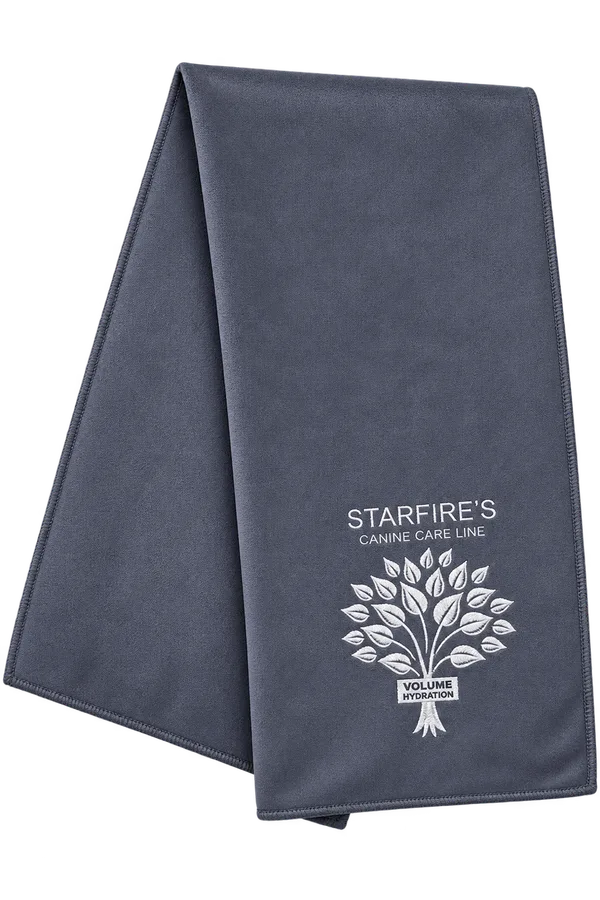
Use soft, absorbent towels. Microfiber towels work very well for this. Gently blot and squeeze the water from their coat. Avoid rubbing too vigorously. Rubbing can tangle the hair and start the matting process. It can also irritate the skin. Focus on getting the legs, belly, and tail first. These areas tend to hold a lot of water.
Choose the Right Dryer
There are different tools you can use to dry your pet. Your choice depends on your pet’s coat type and comfort level.
Human Hair Dryers: These are generally not recommended for pets. They can get too hot. This heat can burn your pet’s skin or damage their coat. If you must use one, always use the coolest setting. Keep the dryer moving constantly. Never point it at one spot for too long.
Pet-Specific Dryers (Force Dryers): These are the best choice for most dogs. They blow a strong stream of air. This air removes water without using high heat. Force dryers are very effective at separating hair. This helps prevent mats. They also push out dead undercoat, which reduces shedding.
Cage Dryers: Some groomers use cage dryers. These are enclosed spaces with controlled airflow. If you use one, make sure your pet is comfortable. Always supervise them closely. Ensure the temperature is low and the air circulates well. Never leave a pet unattended in a cage dryer.
Using a Force Dryer
Introducing your pet to a force dryer should be a calm process. Let them sniff the dryer while it is off. Turn it on a low setting far away from them. Reward calm behavior. Gradually move the dryer closer as they get used to the sound.
When drying, start with the lowest setting. Keep the nozzle a few inches from the coat. Always keep the air moving. Do not blast air directly into their face, ears, or eyes. Use your free hand to hold the hair up. This helps the air reach the skin. Work section by section. Make sure each area is completely dry before moving on.
Brush as You Dry
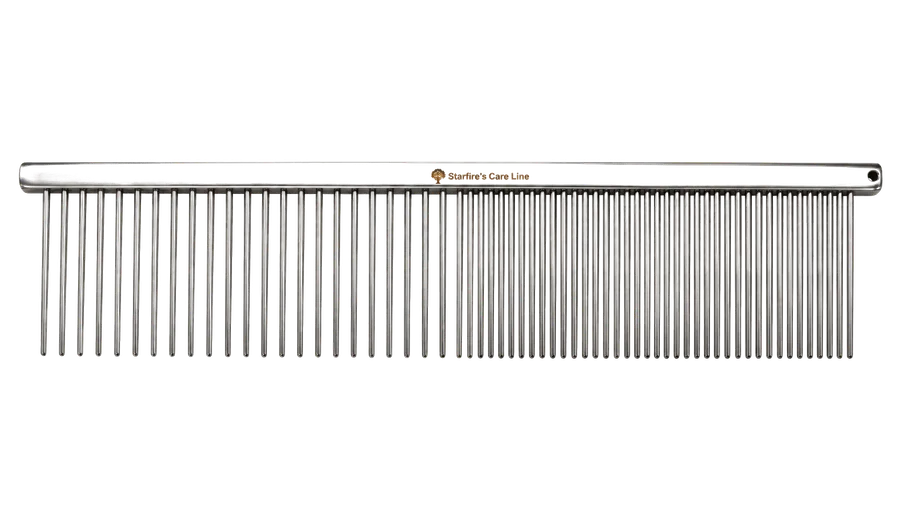
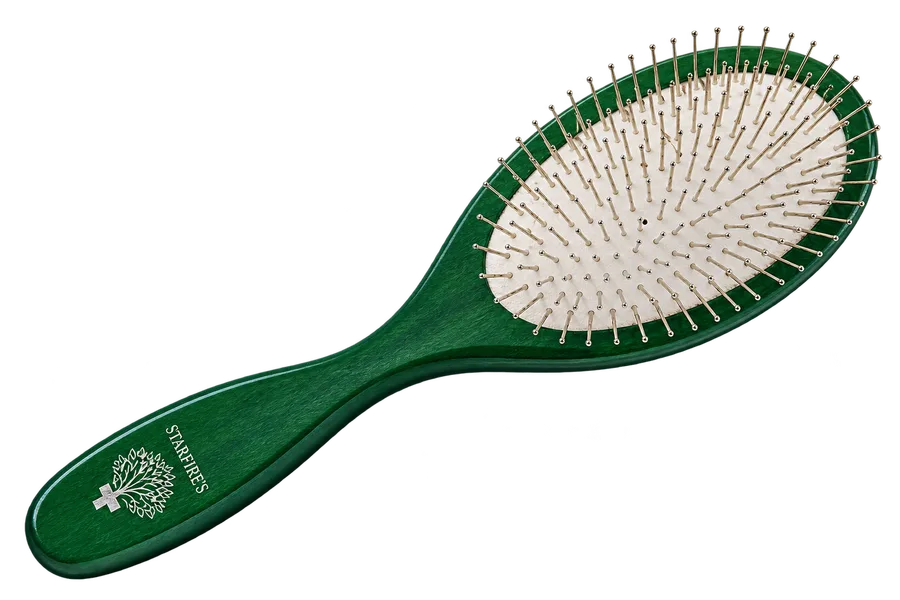
Brushing while drying is key to preventing mats. As the force dryer separates the hair, use a slicker brush or a pin brush. Brush in the direction of hair growth. For longer coats, use a technique called line brushing. This means brushing small sections of hair at a time, from the skin out. This ensures no tangles are left behind. Pay extra attention to areas prone to matting. These include behind the ears, under the legs, and the tail.
Different Coats, Different Drying
Different coat types need slightly different drying approaches.
Short Coats: These coats dry faster. Still, make sure they are thoroughly dry, especially in crevices like armpits. Dampness can still lead to skin issues.
Long or Double Coats: These coats require more time and effort. The undercoat must be completely dry. If the undercoat remains damp, it can lead to mildew and skin problems. Use the force dryer to push out all the water and dead hair.
Curly Coats: For curly coats, be careful not to over-dry or cause frizz. Use a lower force setting. Brush through gently to maintain the curl pattern while ensuring dryness.
The Final Check
Once you think your pet is dry, do a final check. Run your fingers through their coat. Feel for any damp spots, especially close to the skin. Check behind the ears, under the legs, and around the tail and groin area. If you feel any coolness or dampness, continue drying that spot. A completely dry coat is a healthy coat.
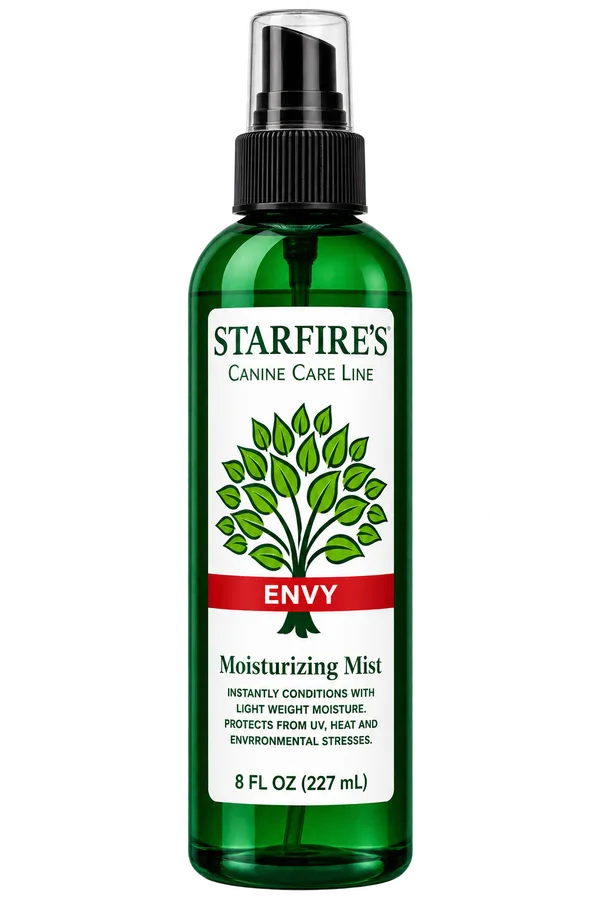
After your pet is completely dry, a light finishing mist can help keep the coat smooth and soft. A product like Envy Finishing Mist can add lightweight moisture without weighing the coat down. It also helps with odor. Finish with a final brush-through to ensure the coat is smooth and tangle-free. This routine helps your pet stay comfortable and their coat looking its best.