




Long-haired cats bring beauty and companionship to our homes. Their flowing coats need regular care. This prevents mats, removes loose hair, and keeps them comfortable. Regular grooming also helps you bond with your cat. A slicker brush is an excellent tool for this important task.
Why Use a Slicker Brush for Your Cat’s Coat?
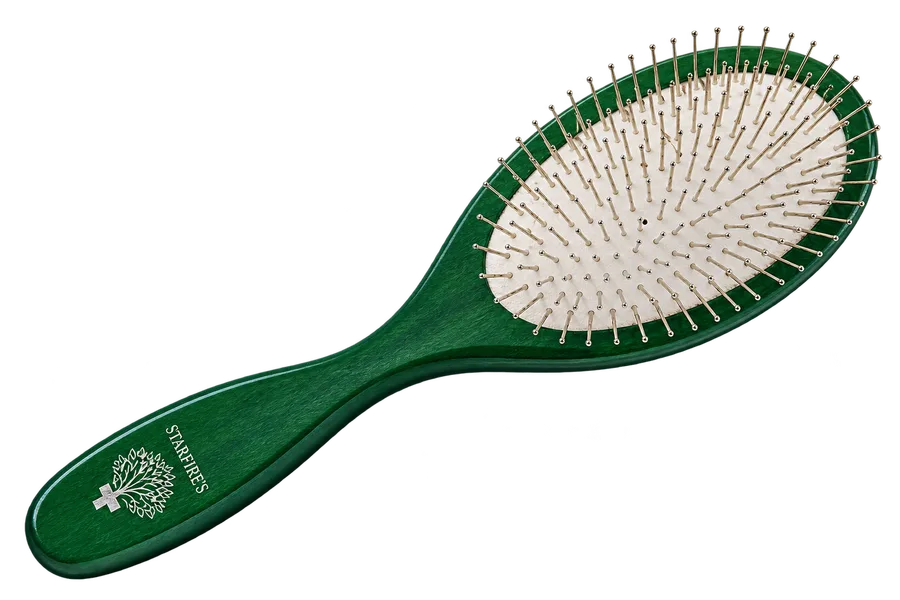
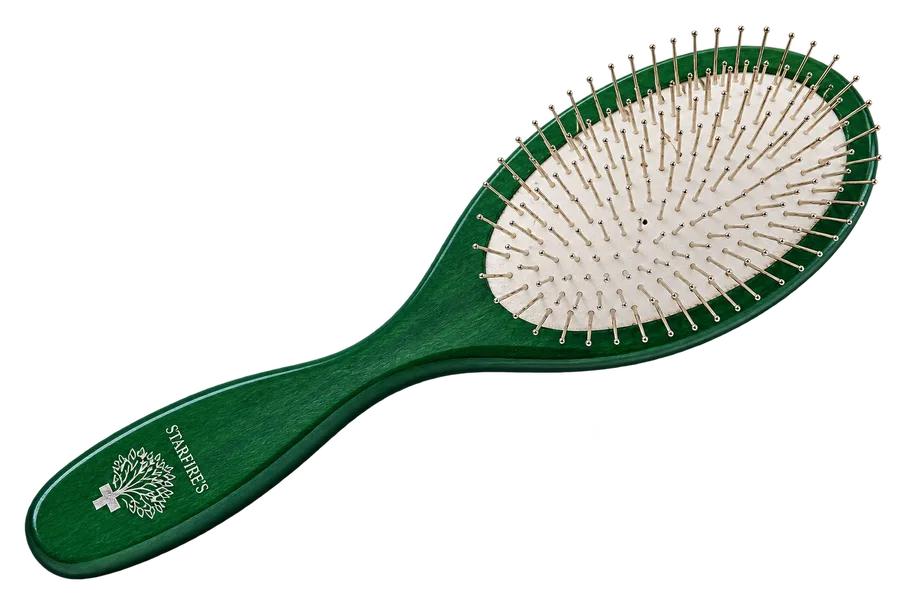
Slicker brushes have many fine, angled wires. These wires reach deep into the coat. They gently remove loose hair. They detangle small knots. The Small Size Metallic Brush with Extra Long Tines is designed for dogs and cats. Its soft-tipped tines reach through dense or long coats without scratching the skin. This makes it a good choice for your feline friend. You can explore other options in our Grooming Tools collection to find the right size for your cat.
Getting Ready to Brush
Choose a quiet time for grooming. Make sure your cat is relaxed. Use a soft voice. Offer treats to create a positive experience. Place your cat on a non-slip surface, like a towel on a table or your lap. This helps them feel secure. Start with short grooming sessions. Gradually build up the time as your cat becomes more comfortable.
Gentle Detangling Technique
Always begin brushing from the ends of your cat’s hair. Work your way slowly and carefully towards their skin. Use one hand to hold the hair closest to the skin. This prevents uncomfortable pulling on their delicate skin. Take light, short strokes with your slicker brush. Always brush in the direction the hair naturally grows. Focus on one small section of coat at a time. This helps you find and address tangles effectively.
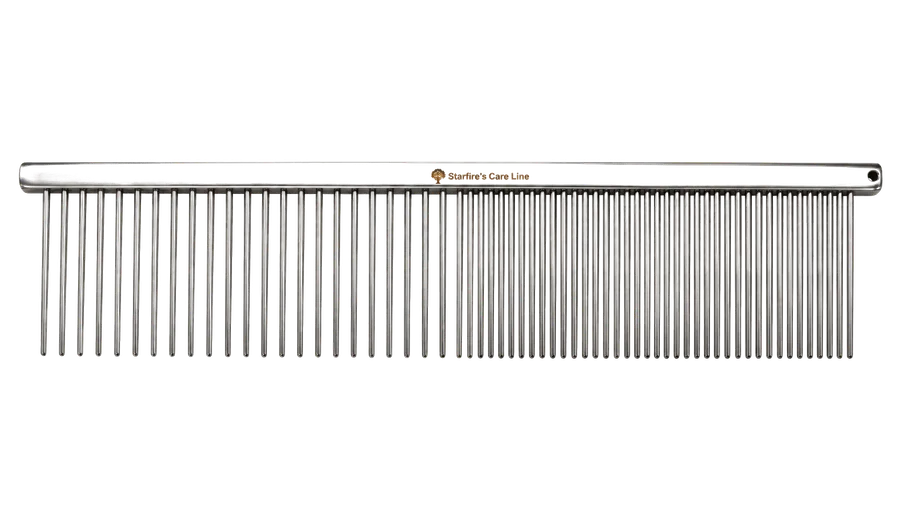
Pay special attention to areas where mats often form. These include behind the ears, under the front legs, on the belly, and the dense fur around the hind legs, often called the ‘britches’. After you have brushed a section, use Professional Combs to check your work. The wider teeth can help ensure all tangles are gone. The large comb can be run from root to tip once the coat feels dry and smooth.
Handling Knots and Small Mats
If you find a small knot, do not pull the brush through it. This can hurt your cat and damage their coat. Instead, use the slicker brush to gently tease the edges of the knot. Work slowly. Try to separate the hairs a few at a time. Follow up with the wide-tooth side of the Professional Combs. Gently work through the tangle. Hold the hair at the base of the mat. This protects the skin from tugging.
Patience is key when dealing with tangles. Stop if your cat shows signs of discomfort. For larger, tight mats, it is best to consult a professional groomer. Never try to cut out mats yourself. This can cause injury to your pet.
The Full Grooming Session
Once the coat is tangle-free, brush the entire body. Use long, flowing strokes. This helps distribute natural oils throughout the coat. It makes the coat shiny and healthy. Finish with a final comb-through using the fine side of the Professional Combs. This ensures all loose hair is removed. It checks for any missed tangles. Regular brushing reduces shedding. It also helps prevent hairballs.
Beyond Brushing: Other Grooming Needs
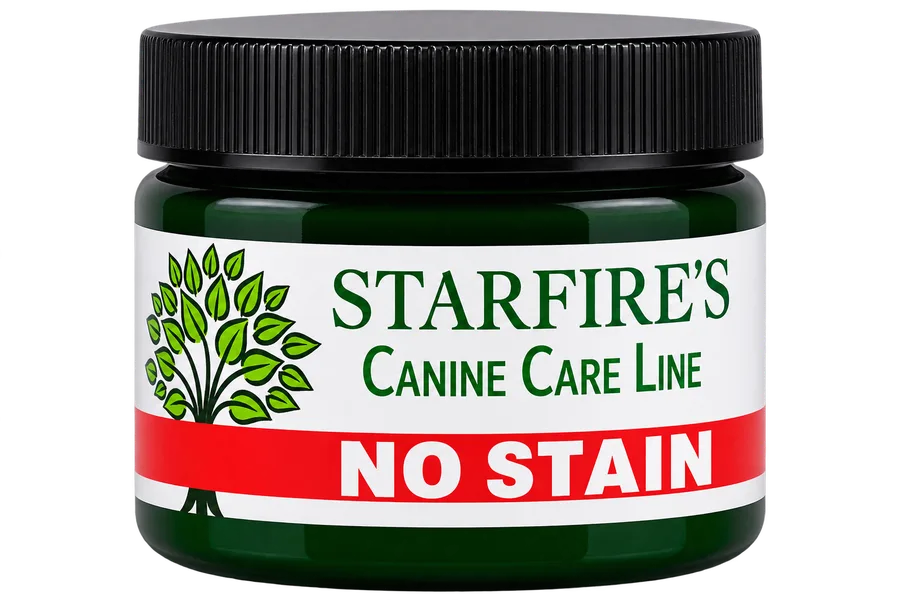
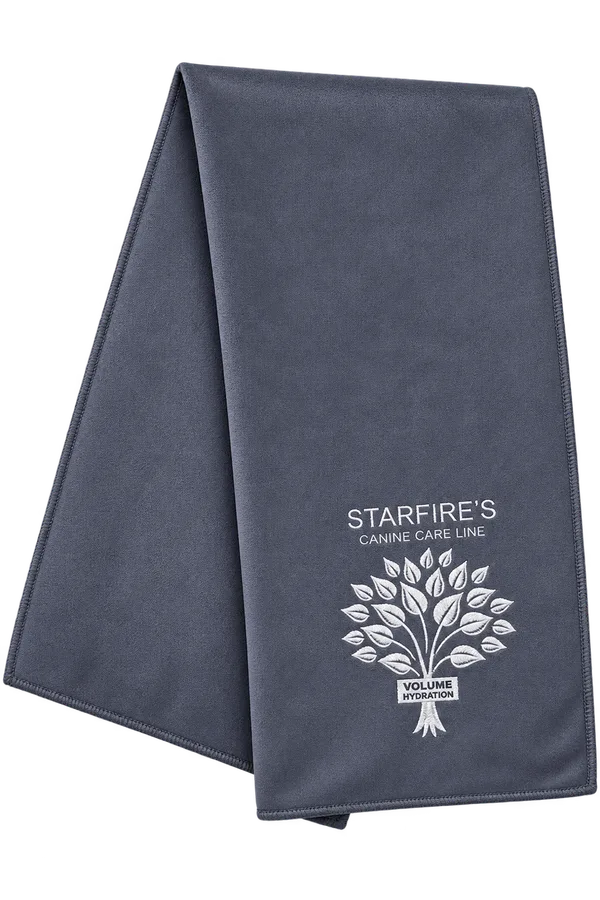
Keep your cat’s face clean. Use No Stain powder for tear stains around the eyes. Apply it with a clean cotton swab. Do not dip fingers into the jar. This keeps the powder clean. If your cat needs a bath, use a shampoo made for cats. After a bath, blot the coat with a Big Size Microfiber Towel. This removes excess water. It speeds up drying time.
What you need
- Small Size Metallic Brush with Extra Long Tines: to reach through dense coats and gently detangle.
- Professional Combs: to check for knots and work through small tangles.
- No Stain: to help keep the eye area clean for cats prone to tear stains.
- Big Size Microfiber Towel: for efficient drying after a bath.
For a complete grooming plan tailored to your pet, visit the Grooming Advisor.