





Daily brushing is a simple way to care for your pet’s coat. It helps remove loose hair and dirt. It can prevent mats and tangles from forming. Brushing also helps distribute natural oils, which can give their coat a healthy look. Plus, it is a quiet time you can share with your pet.
Different coat types need different brushes and methods. Knowing your pet’s coat type helps you choose the right tools and routine.
Short and Smooth Coats
Dogs with short and smooth coats include breeds like Beagles, Pugs, Boxers, and Greyhounds. Their hair lies flat against their body. These coats generally need less intense brushing, but a daily routine is still helpful.
Use a rubber curry brush or a soft bristle brush. A grooming mitt also works well. Brush in short, firm strokes. Follow the direction of hair growth. This helps remove loose hair and dead skin. It also massages the skin, which can improve circulation. Brushing a short coat can help reduce shedding around your home.
Long Coats
Breeds with long coats include Shih Tzus, Yorkshire Terriers, Golden Retrievers, and Afghan Hounds. These coats are beautiful but can tangle easily. Daily brushing is very important to prevent mats.
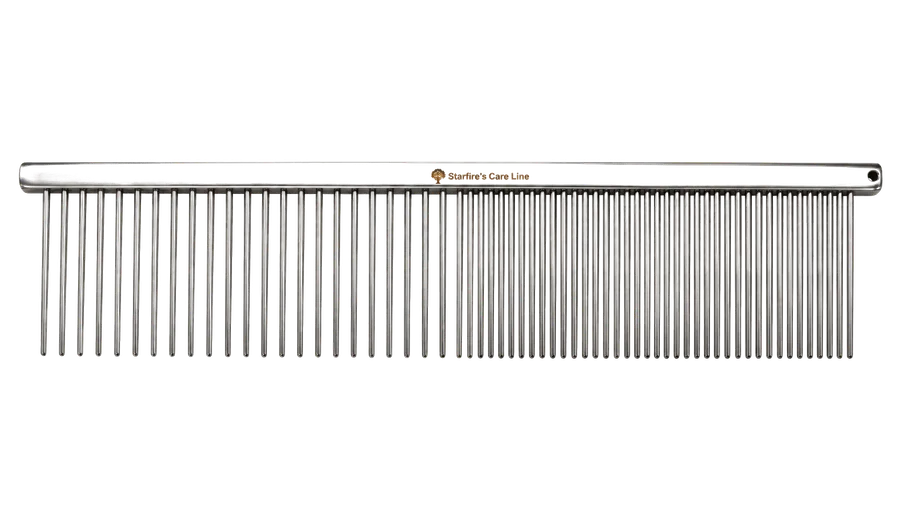
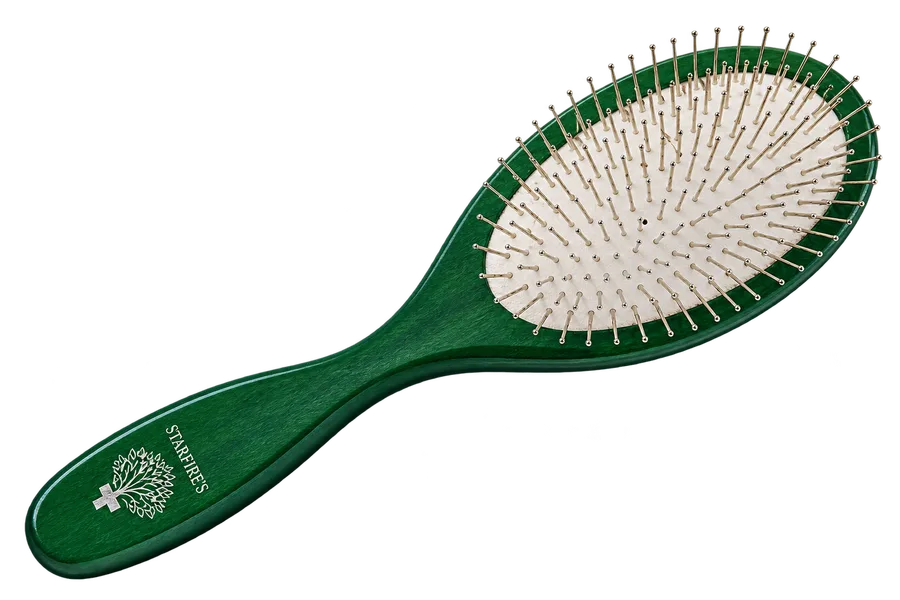
Start with a pin brush to gently work through the top layer of the coat. Then, use a slicker brush to get deeper. A metal comb is essential for checking for tangles, especially behind the ears, under the legs, and on the tail. Use a technique called line brushing. Part the hair horizontally, then brush a small section from the skin outwards. Work your way up the body, section by section. Be gentle with any knots.
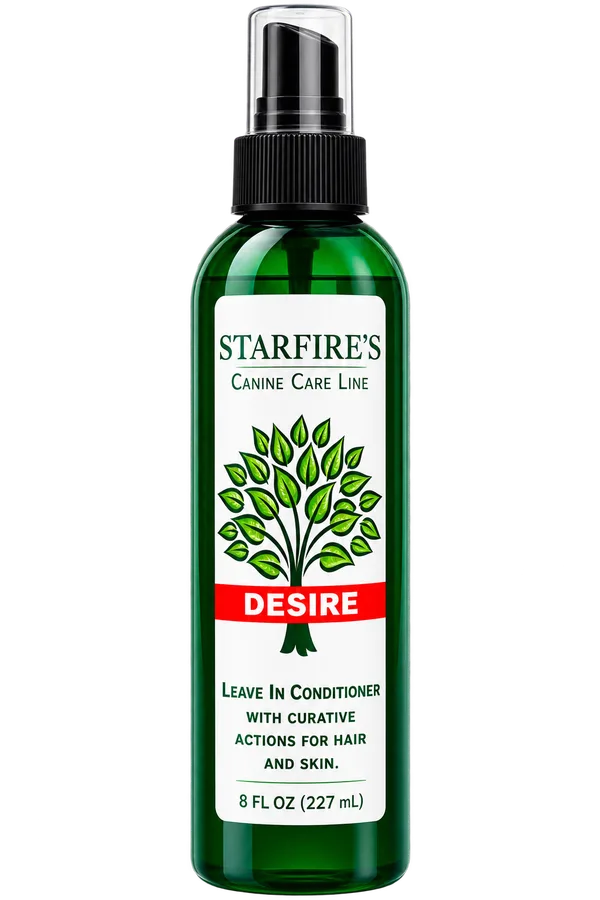
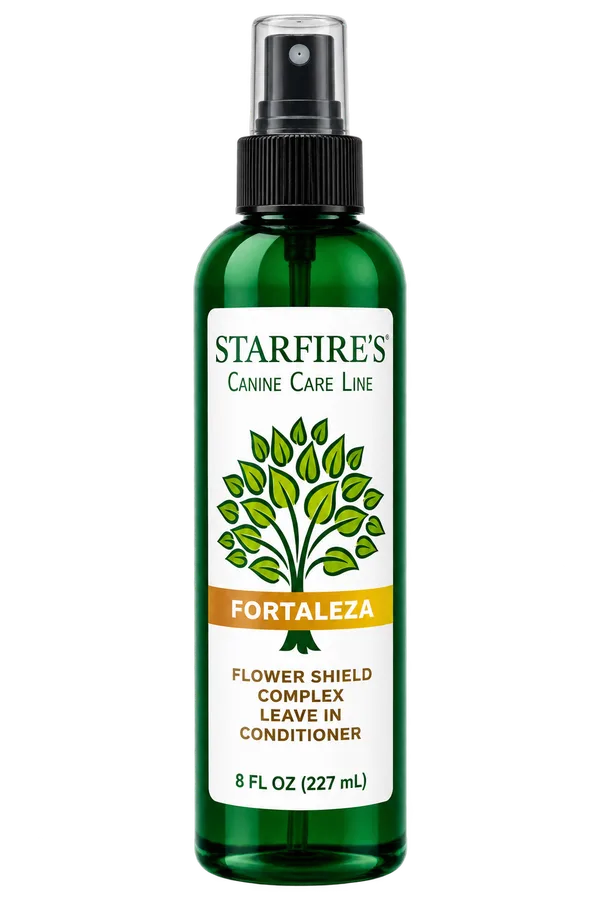
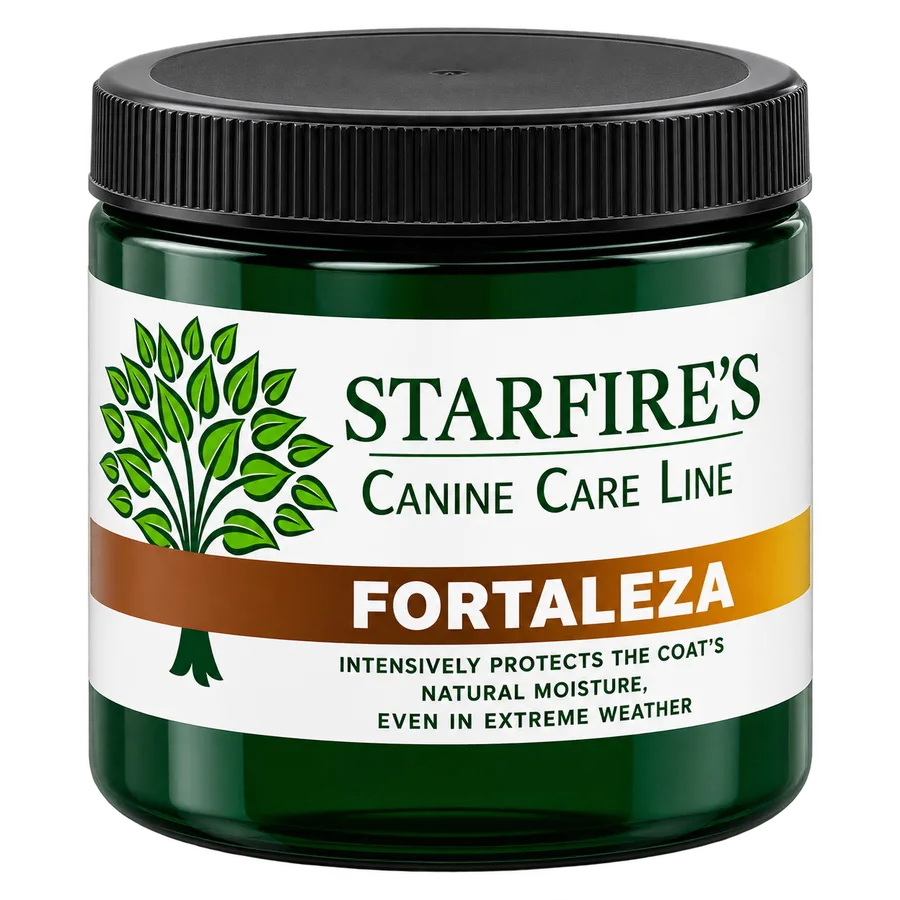
For coats prone to tangles, a light mist of Fortaleza Spray can help. Apply it before brushing. This leave-in conditioner can make the coat easier to comb through. It also helps protect and rejuvenate the hair.
Curly and Wavy Coats
Curly and wavy coats are found on breeds like Poodles, Bichon Frises, and Portuguese Water Dogs. These coats are dense and can mat quickly if not brushed regularly. Mats in curly coats can pull on the skin and be uncomfortable.
Use a slicker brush to get down to the skin. Work in small sections. Brush against the direction of growth first to fluff the coat. Then brush with the growth to smooth it out. Follow up with a metal comb to ensure there are no hidden tangles. Pay close attention to areas where friction occurs, such as the armpits and groin. These spots are common places for mats to form.
Double Coats
Many breeds have double coats, such as Huskies, German Shepherds, Samoyeds, and Pomeranians. They have a soft, dense undercoat and a coarser topcoat. Double coats shed a lot, especially seasonally. Daily brushing helps manage this shedding and prevents the undercoat from matting against the skin.
Use a slicker brush and an undercoat rake. Start with the undercoat rake. Gently pull it through the coat to remove loose undercoat. Be careful not to pull on the skin. Follow with a slicker brush to smooth the topcoat and remove any remaining loose hairs. Focus on areas that are particularly dense, like the ruff around the neck and the breeches on the hind legs. Line brushing is also effective for double coats to ensure you reach all layers.
Wire Coats
Wire-coated breeds include many Terriers, such as Airedale Terriers and Fox Terriers. These coats are coarse and dense. While some wire coats are hand-stripped, daily brushing keeps them tidy and removes loose hair.
Use a pin brush or a firm bristle brush. Brush through the coat in the direction of hair growth. This helps remove loose hairs and keeps the coat looking neat. A slicker brush can also be used for any areas that might be prone to matting or for removing finer, dead hairs. Regular brushing helps maintain the coat’s texture and prevents it from becoming dull.
Making daily brushing a consistent part of your routine can greatly benefit your pet. It helps keep their coat healthy and comfortable. Remember to be gentle and make it a positive experience for your pet.