


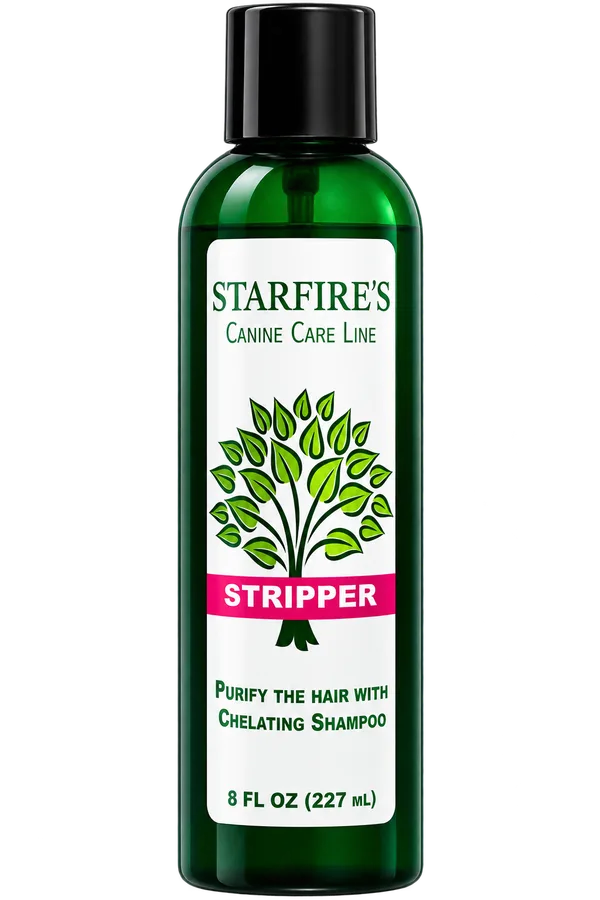
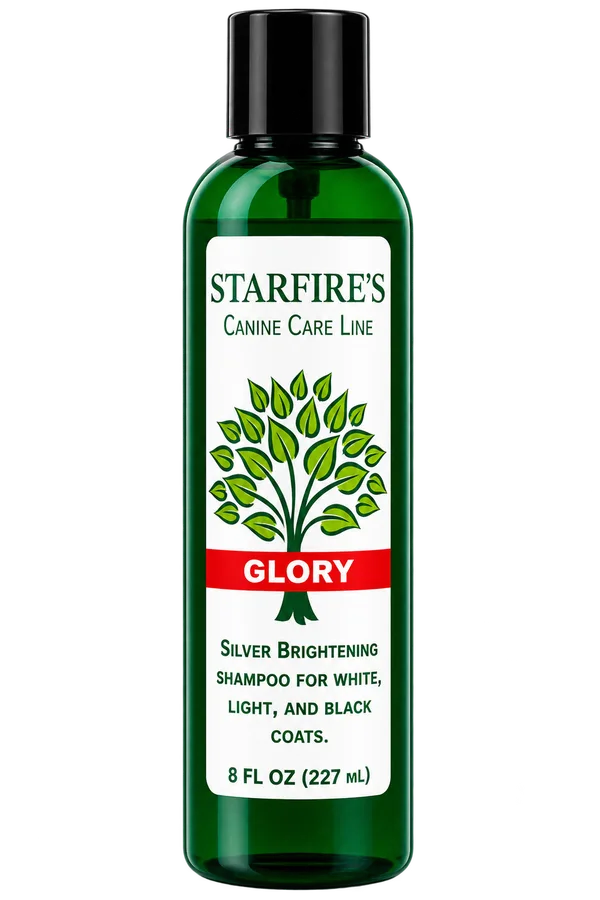
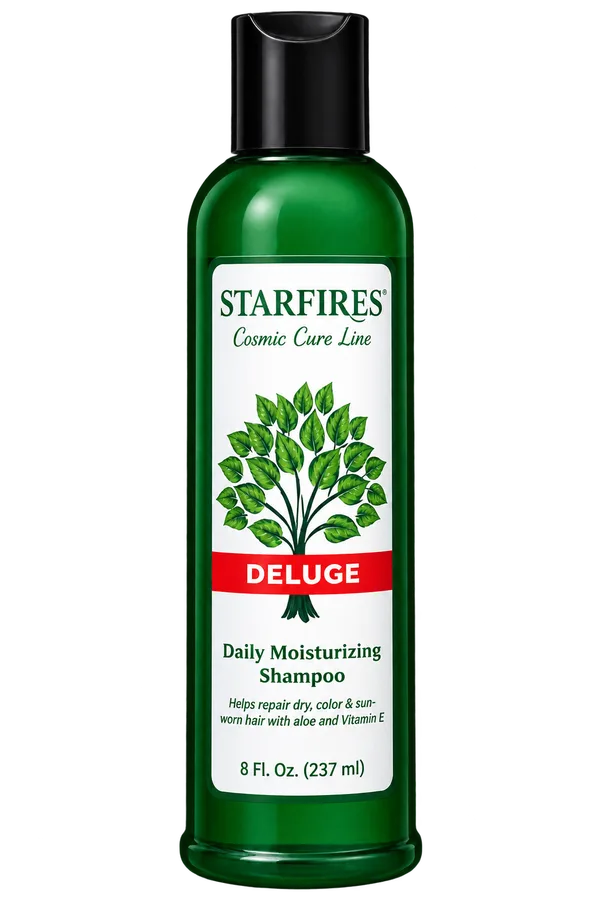
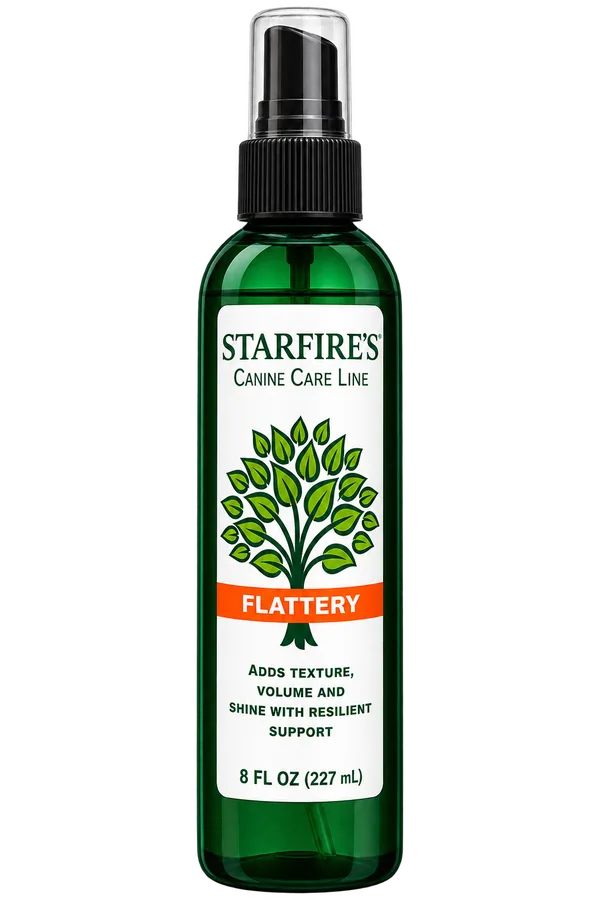


Grooming your pet at home is a good way to keep them comfortable and their coat healthy. An important part of this is choosing the right brush. Just like human hair, pet coats come in many types. What works for a short-haired dog might not work for a long-haired cat. Using the wrong brush can pull hair, irritate skin, or not remove loose hair effectively. Let’s look at different coat types and the brushes that work well for them.
Short, Smooth Coats
Pets with short, smooth coats often have hair that lies flat against their body. Think of breeds like Beagles, Boxers, or many Dobermans. Some cats, like Siamese, also have this coat type. For these pets, a rubber curry brush or a soft bristle brush is a good choice. The rubber nubs on a curry brush help loosen dead hair and stimulate the skin. A bristle brush can then smooth the coat and remove any remaining loose hairs. These brushes also help distribute natural skin oils, which adds a healthy shine.
Short, Double Coats
Many breeds have a dense undercoat beneath a topcoat. This includes dogs like Labradors, Huskies, German Shepherds, and Corgis. This undercoat sheds heavily, especially during seasonal changes. For these coats, a slicker brush is very useful. It has fine, wire bristles that can reach down into the undercoat to remove loose hair and prevent matting. Follow up with an undercoat rake. This tool has longer teeth designed to pull out the shed undercoat without damaging the topcoat. Regular brushing is key to managing shedding for these breeds.
Long, Silky Coats
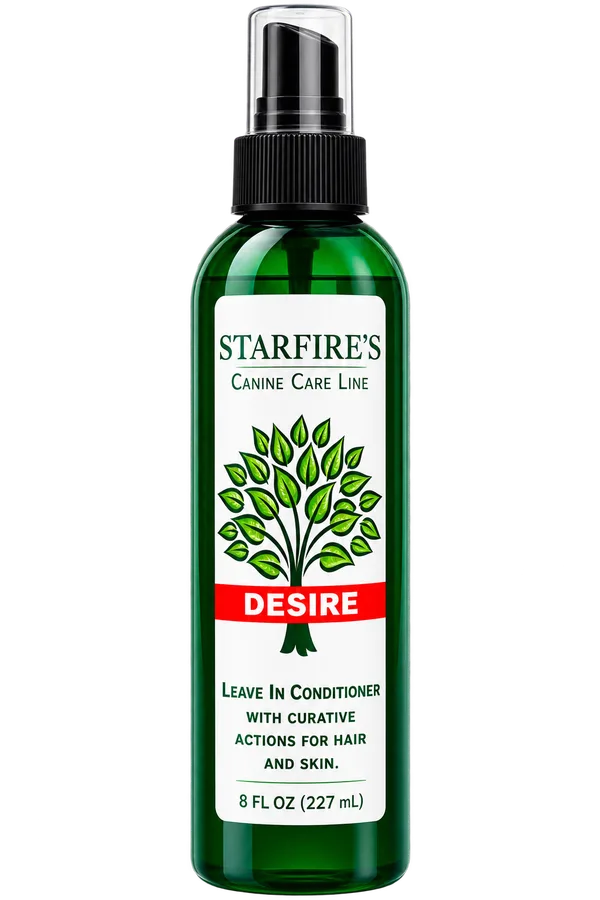
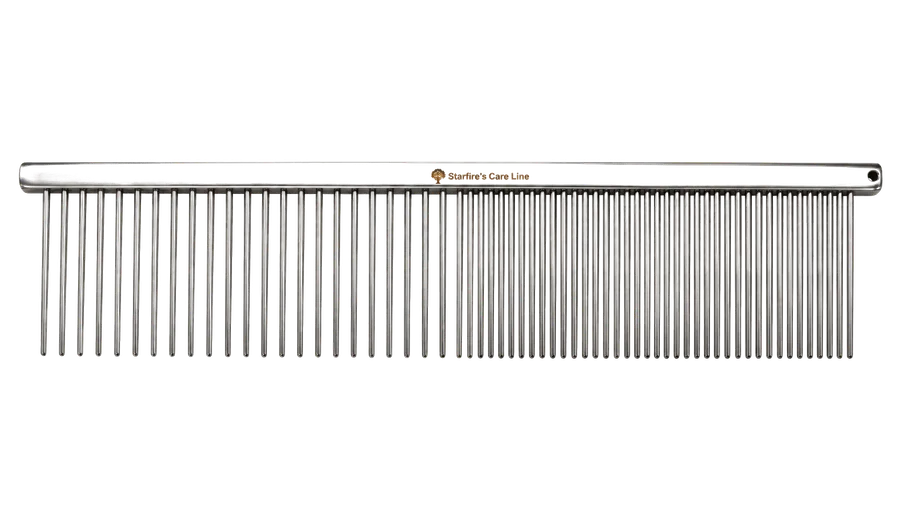
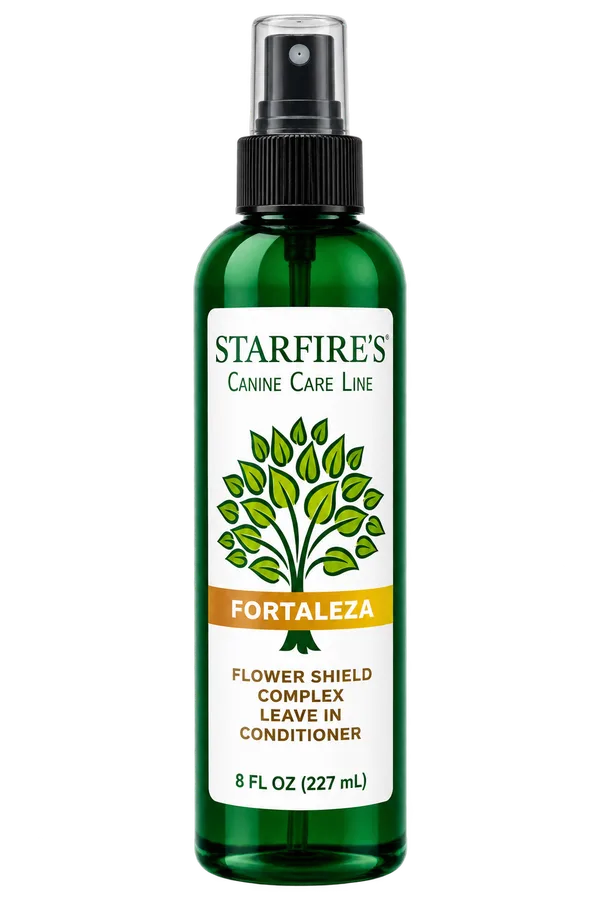
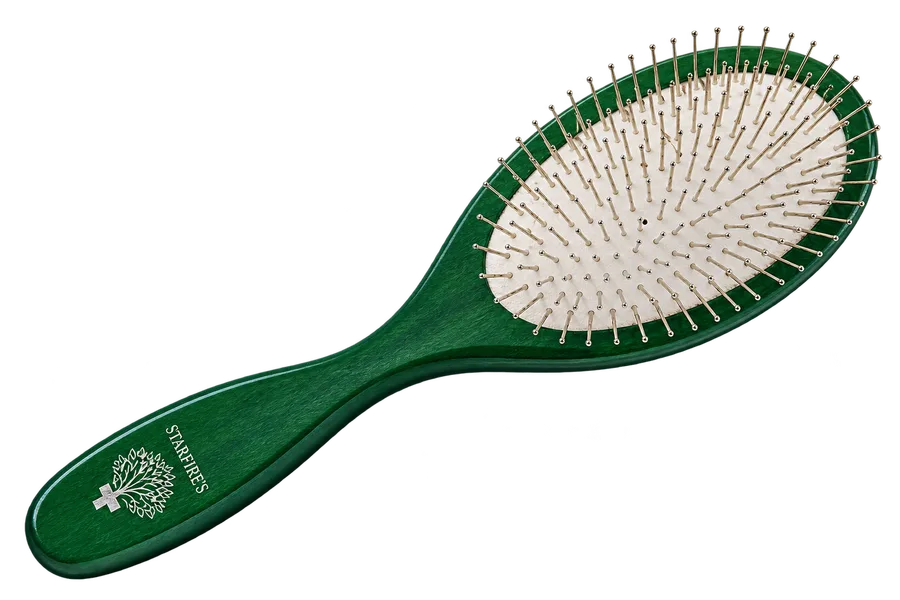
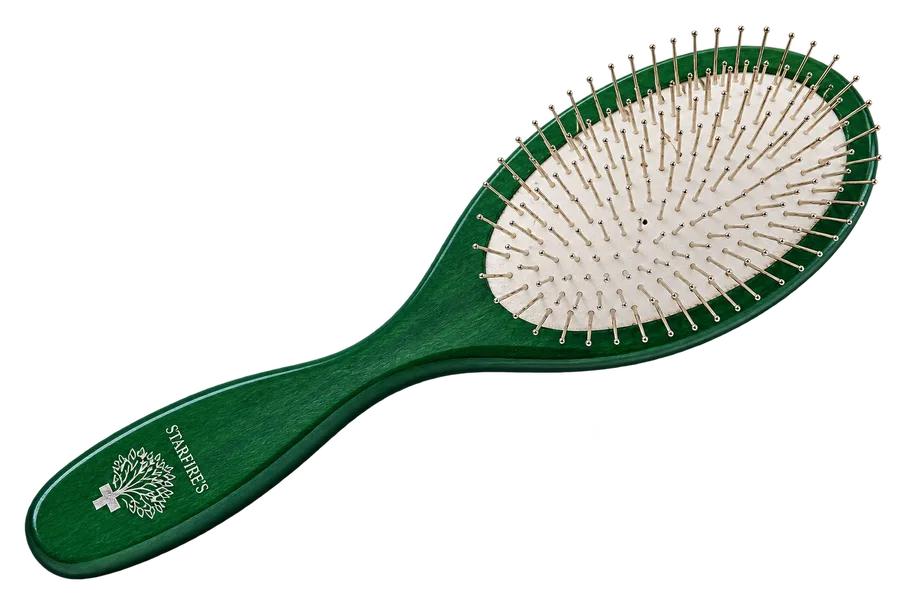
Long-haired breeds like Yorkshire Terriers, Shih Tzus, Afghan Hounds, and many Persian cats have delicate, flowing coats. These coats can tangle easily. A pin brush is gentle and effective for these types. It has widely spaced metal pins with rounded ends. This helps detangle hair without pulling or causing breakage. After using the pin brush, a metal comb with both wide and fine teeth can help ensure all tangles are out. Always brush gently, working from the ends of the hair upwards. A conditioning spray like Fortaleza Spray can help protect and detangle these delicate coats as you brush.
Wiry Coats
Terriers, such as Wire Fox Terriers, Airedales, and Schnauzers, have wiry coats. These coats are meant to be coarse and stiff. A bristle brush can help remove loose hairs and maintain the coat’s texture. If you hand-strip your pet, a stripping knife is used to pull out dead hairs by the root. This process helps maintain the coat’s unique texture and color. For pets that are not hand-stripped, regular brushing with a bristle brush helps keep the coat tidy.
Curly or Wavy Coats
Poodles, Bichon Frise, and Portuguese Water Dogs are examples of breeds with curly or wavy coats. These coats are prone to matting if not brushed regularly. A slicker brush is excellent for separating the curls and preventing mats. It helps fluff up the coat and remove loose hair. After using the slicker brush, a metal comb can be used to check for any hidden tangles. Be sure to brush through the entire coat, down to the skin, to prevent mats from forming close to the body.
Fine, Delicate Coats
Some pets have very fine, delicate hair that can break easily. This might include some Maltese or Pomeranians with particularly fine coats, or certain long-haired cat breeds. For these coats, a soft pin brush or a very gentle slicker brush is best. The goal is to detangle without causing damage. Always be extra gentle and use a light touch. Regular, gentle brushing helps prevent tangles from becoming tight mats.
General Brushing Tips
No matter your pet’s coat type, always brush gently. Start with any matted areas, carefully working them out with your fingers or a detangling spray before using the brush. Make brushing a positive experience for your pet with praise and calm handling. Consistent brushing helps keep their coat in good condition between professional grooming appointments.