




Your dog’s wire-haired coat is special. Breeds like many terriers, schnauzers, and wire-haired dachshunds have this unique coat type. It is designed to protect them from the elements. This coarse, wiry texture needs specific care to stay healthy and maintain its protective qualities. Understanding how to groom a wire-haired coat correctly will help keep your dog comfortable and looking their best.
What Makes Wire Coats Unique
Wire coats have two layers. There is a soft, dense undercoat close to the skin. The outer layer is made of coarse, wiry guard hairs. These guard hairs are meant to be tough and weather-resistant. They do not shed easily on their own. Instead, they go through a cycle where they become dead and need to be removed. Removing these dead hairs is key to keeping the coat’s proper texture and function. If these dead hairs are not removed, the coat can become dull, matted, and lose its protective qualities.
Regular Brushing Routines
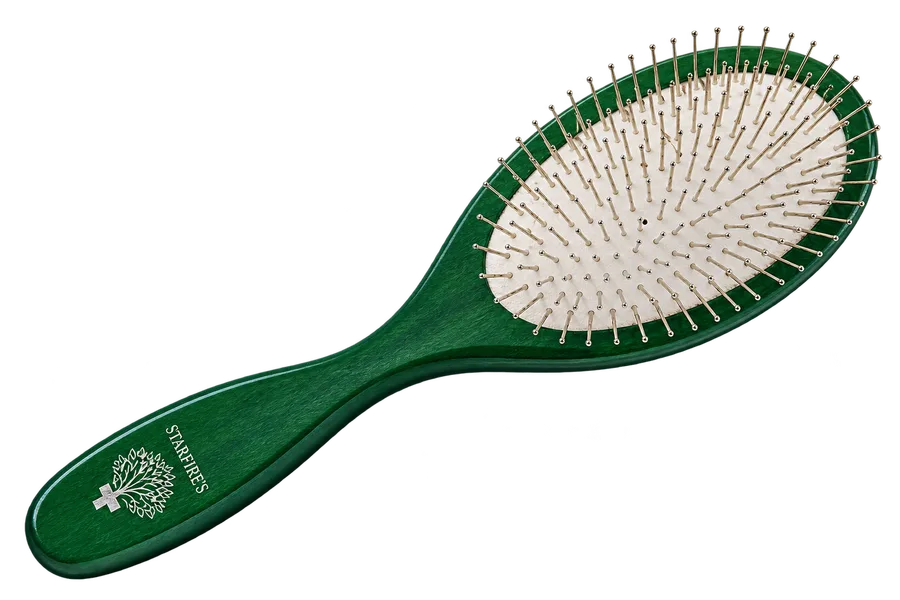
Even though wire coats do not shed much, regular brushing is still important. It helps remove any loose undercoat and keeps the skin healthy. Use a slicker brush or a pin brush a few times a week. Brush gently in the direction of hair growth. This helps to prevent tangles and distributes natural oils. Avoid harsh brushing, which can irritate the skin or damage the coat. Regular brushing also helps you check for any skin issues or parasites.
The Role of Hand Stripping
Hand stripping is the most important part of wire-haired coat maintenance. This process involves manually pulling out the dead outer guard hairs. It encourages new, coarse, healthy wire hairs to grow in. Hand stripping maintains the coat’s natural texture and color. If a wire coat is clipped with electric clippers, it removes both the soft undercoat and the coarse guard hairs. This can soften the texture over time. The coat may become duller and lose its vibrant color. It can also make the coat more prone to matting. Hand stripping is not painful for your dog when done correctly. The dead hairs are loose and ready to be removed. Many owners choose to have a professional groomer hand strip their dog. This typically happens every 8 to 12 weeks, depending on the individual dog’s coat growth.
Bathing Your Wire-Haired Dog
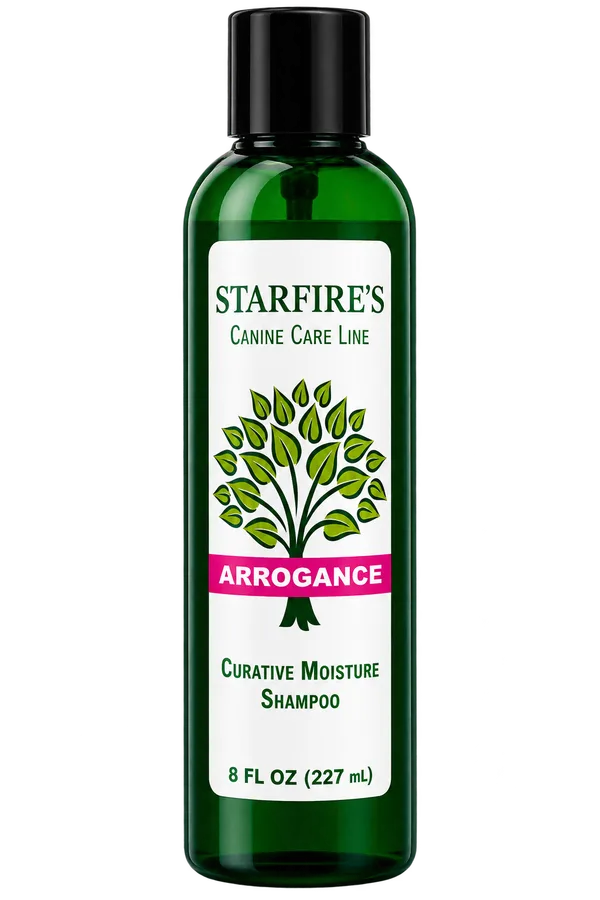
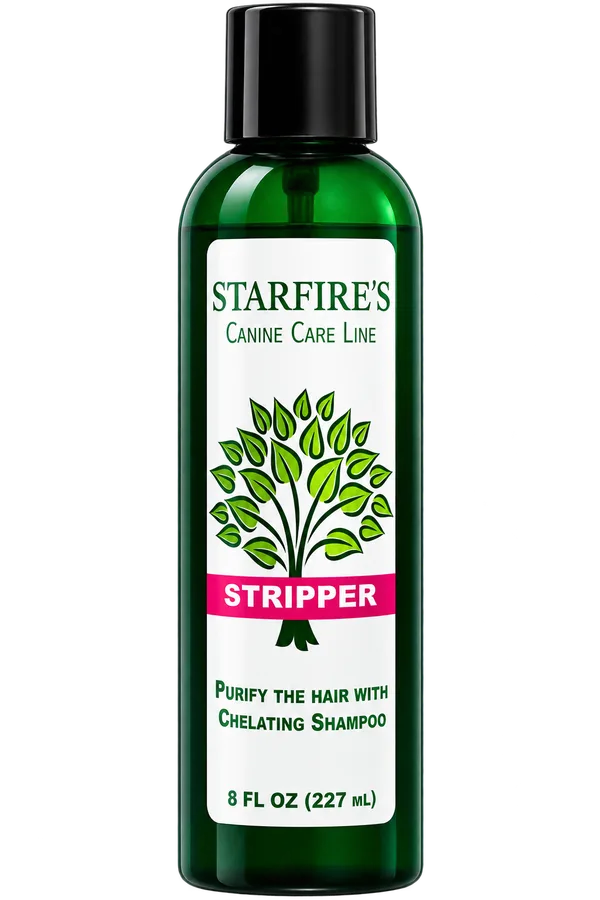
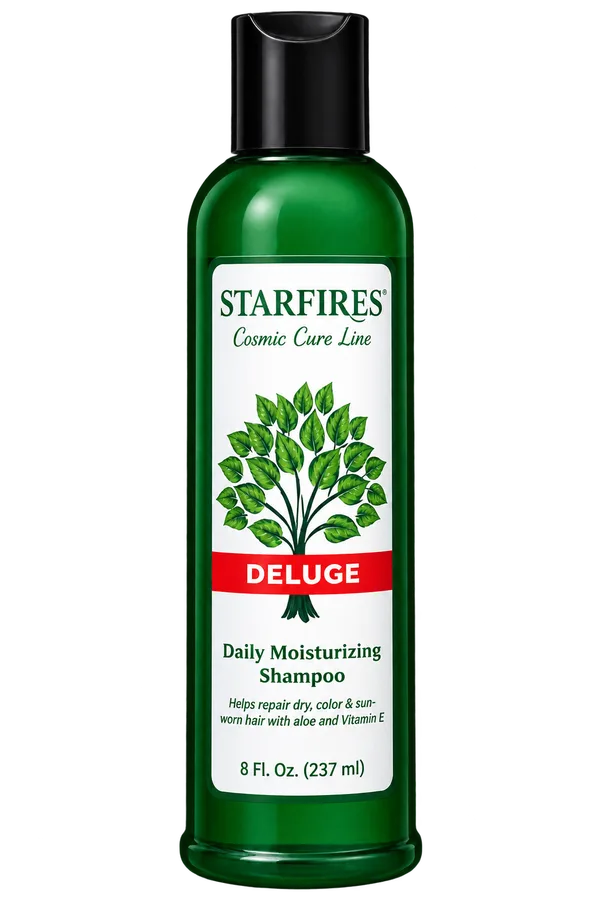
Bathing a wire-haired dog requires a gentle approach. The goal is to clean the coat without softening its texture. Use a shampoo that is suitable for deep cleansing without harsh ingredients. A product like Deluge Extra Gentle Cleansing shampoo can be a good choice for general washes. For deeper cleaning that respects coat texture, Stripper gentle purification shampoo can help remove impurities. Avoid shampoos or conditioners that are designed to soften or add moisture excessively. These can change the wire texture. Always rinse the shampoo thoroughly from the coat. Any residue can irritate the skin or make the coat feel sticky.
Drying to Preserve Texture
After bathing, towel dry your dog thoroughly. Remove as much water as you can. Then, use a forced air dryer on a cool or low-heat setting. Direct the air against the direction of hair growth to help fluff the undercoat. This also helps to ensure the skin is dry. Avoid using high heat. Too much heat can damage the hair follicles and soften the coat texture. Make sure your dog is completely dry before they go outside or lay down. Damp coats can lead to skin problems or matting.
Between Professional Grooming
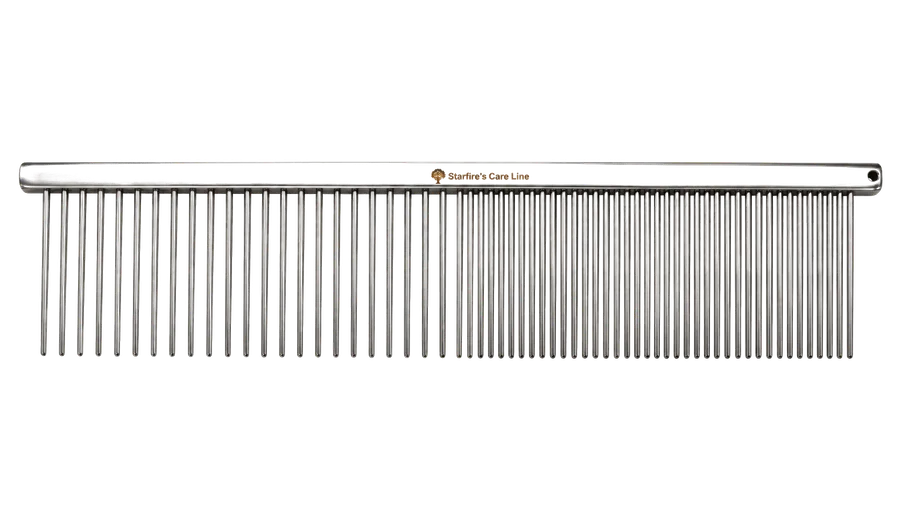
In between hand stripping appointments, keep up with daily care. Check your dog’s coat regularly for any small mats or tangles. Pay attention to areas like behind the ears, armpits, and around the legs. A quick brush a few times a week will help keep the coat in good condition. If you notice any small mats, try to work them out gently with your fingers or a comb. Regular care at home supports the health and appearance of your dog’s unique wire-haired coat.