





Tear stains are a common concern for many pet owners, especially those with dogs and cats that have lighter coats or long hair around their eyes. These reddish-brown marks are often caused by tears, saliva, or even food particles getting trapped in the facial fur. This creates a moist environment where bacteria can thrive, leading to discoloration. It is a cosmetic issue, not a medical one. Consistent cleaning and grooming are key to managing their appearance.
This guide will walk you through simple steps to keep your pet’s face clean and tidy, focusing on managing tear stains for dogs and cats, and general facial grooming for other small, long-haired pets.
Understanding Tear Stains
Tear stains appear when moisture from tears, saliva, or food sits on the hair around your pet’s eyes, muzzle, or chin. This moisture can lead to a build-up of yeast and bacteria, which then causes the reddish-brown discoloration. Breeds with prominent eyes, short muzzles, or long facial hair are often more prone to developing these stains. Regular, gentle attention to these areas can make a significant difference in their appearance.
Daily Face Cleaning for Dogs and Cats
For dogs and cats prone to tear stains, a daily cleaning routine is effective. Start by gently wiping the area around their eyes to remove any visible moisture or debris. Once the area is clean, you can apply a specialized product.
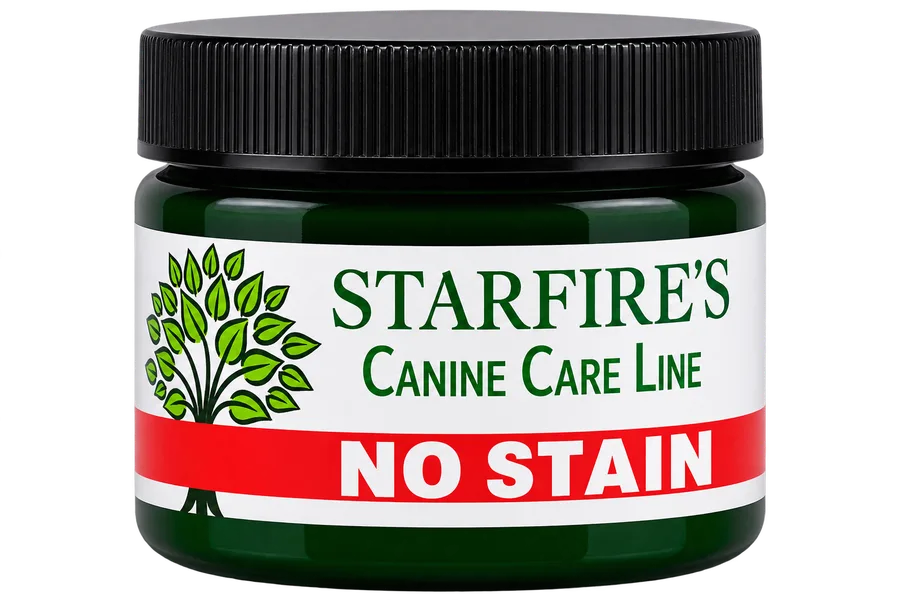
No Stain is a daily powder designed for tear stains around the eyes of both dogs and cats. To use it, apply a small amount with a clean cotton swab directly to the stained areas. Always use a fresh cotton swab for each application. Avoid dipping your fingers into the jar to keep the powder clean. Consistent daily use helps manage the appearance of existing stains and prevents new ones from forming.
Keeping Facial Hair Clean and Tidy
Beyond addressing the stains themselves, keeping the hair around your pet’s face clean and free of tangles is important. Mats and knots in this delicate area can trap moisture, food particles, and debris, making tear stains worse and creating discomfort for your pet. Regular, gentle brushing and combing helps prevent this.
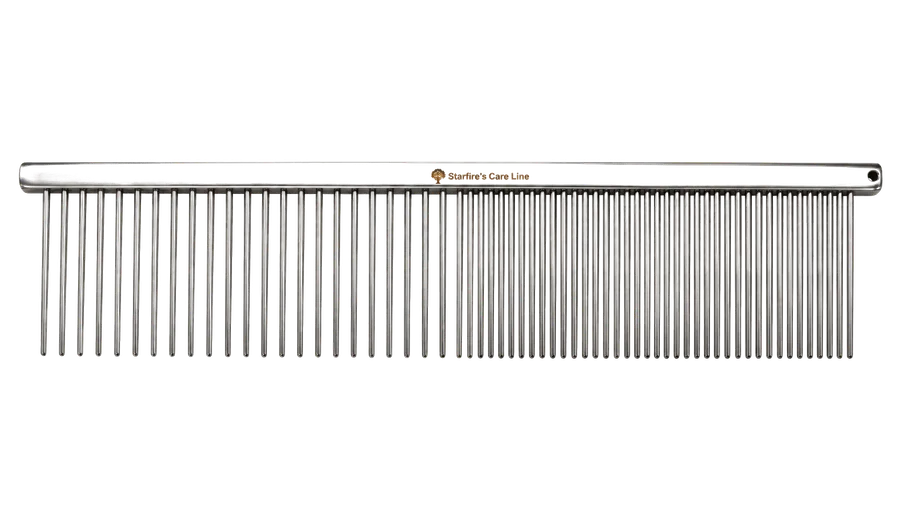
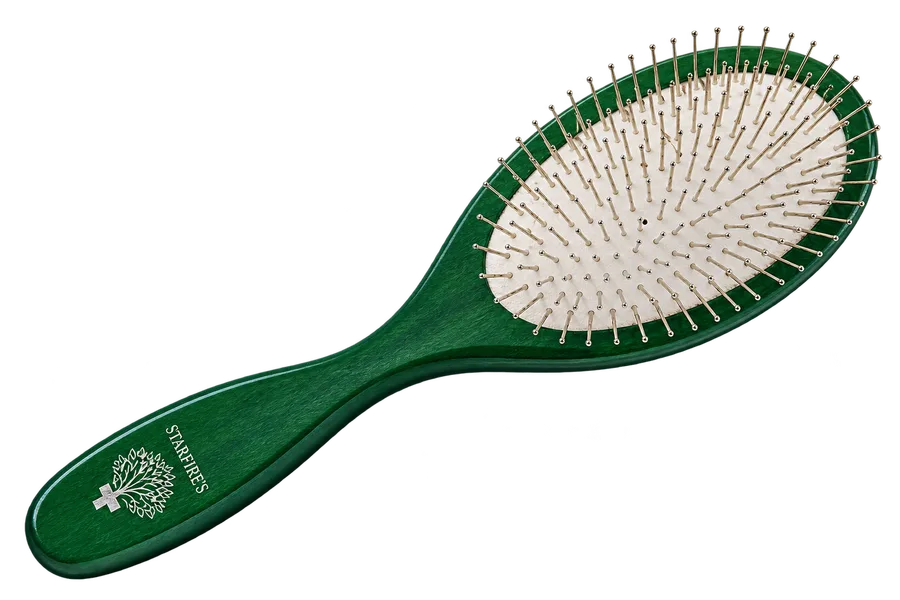
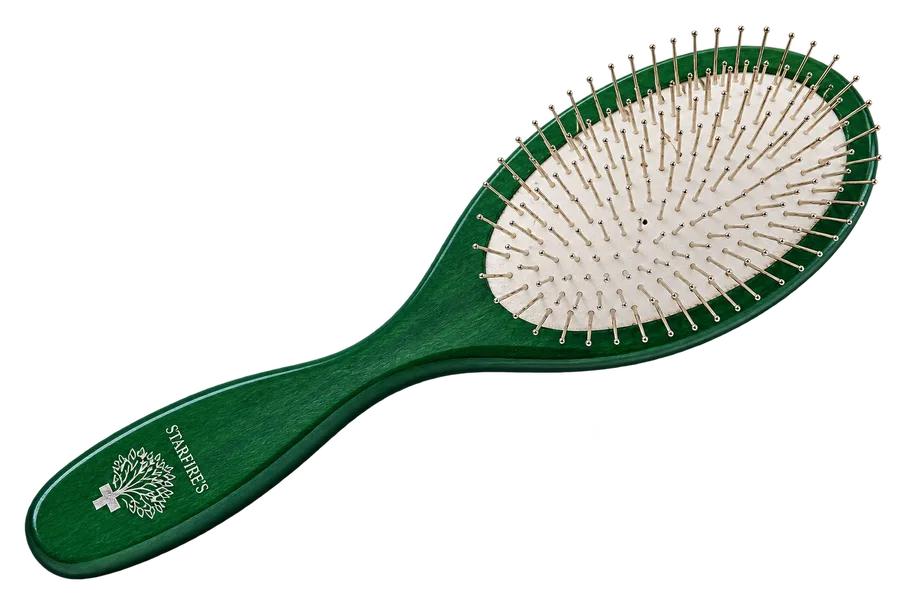
For delicate facial areas, a smaller brush or comb can be very useful. The Small Size Metallic Brush with Extra Long Tines is a good choice for reaching through dense or long hair around the eyes and muzzle. Its soft-tipped tines are gentle on sensitive skin. For untangling small knots, a fine-toothed section of a Professional Combs can carefully work through the hair without pulling. You can find a range of tools for grooming your pet’s coat on our Grooming Tools page.
Gentle Drying After Bathing
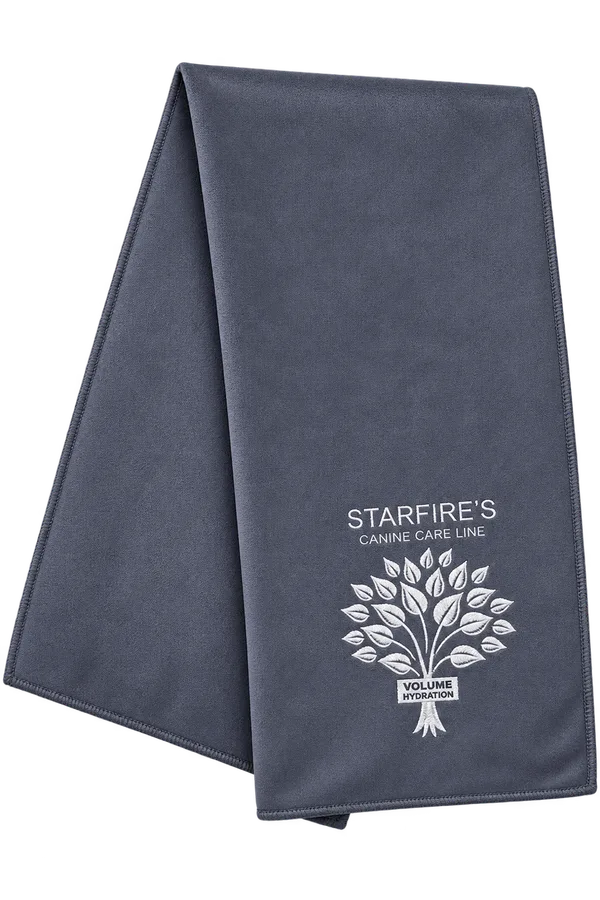
After a bath, it is important to ensure your pet’s face is thoroughly but gently dried. Excess moisture left in facial hair can contribute to tear stains. For dogs and cats, after rinsing, gently blot the face with a Big Size Microfiber Towel to absorb as much water as possible. This soft towel is highly absorbent and gentle on sensitive skin around the face. Make sure to pay attention to the hair under the eyes and around the muzzle.
General Facial Grooming for Small Pets
For long-haired small pets like rabbits and guinea pigs, tear stains are less common than in some dog and cat breeds. However, keeping their facial fur clean and free of food debris or bedding is still a key part of their care. Regular, gentle grooming helps maintain their comfort and hygiene.
Use a Small Size Metallic Brush with Extra Long Tines to carefully brush around their face, chin, and any areas where food might collect. This helps remove loose hair and prevents small mats from forming. Remember that rabbits should never be bathed, as it can be very stressful and harmful to them. Focus on dry grooming and spot cleaning only.
What you need
- No Stain: Use daily to manage tear stains on dogs and cats.
- Small Size Metallic Brush with Extra Long Tines: For gently brushing delicate facial hair on dogs, cats, and small pets.
- Professional Combs: For carefully untangling small knots in facial fur.
- Big Size Microfiber Towel: For blotting excess moisture from the face after bathing.
For a routine built specifically for your pet’s needs, visit our Grooming Advisor.