




Long-haired small pets like rabbits and guinea pigs need regular coat care. Their long fur can easily tangle and form mats. Mats can be uncomfortable and pull on their skin. A consistent brushing routine helps keep their coat clean, healthy, and free of tangles. It also strengthens your bond with your pet.
Why regular brushing matters
Brushing is more than just making your pet look neat. For long-haired breeds, it prevents painful mats from forming. Mats can trap dirt and moisture, leading to skin irritation. Regular grooming also helps remove loose hair, which is especially important during shedding seasons. This can reduce the amount of hair your pet might ingest, which is good for their digestion.
Consistent brushing also allows you to check your pet’s skin for any concerns. You can spot anything unusual early. It is a quiet time to connect with your pet and ensure their comfort.
Choosing your grooming tools
Having the right tools makes a big difference in grooming long-haired small pets. You need brushes that can reach through dense fur without scratching the skin. You also need combs for detangling.
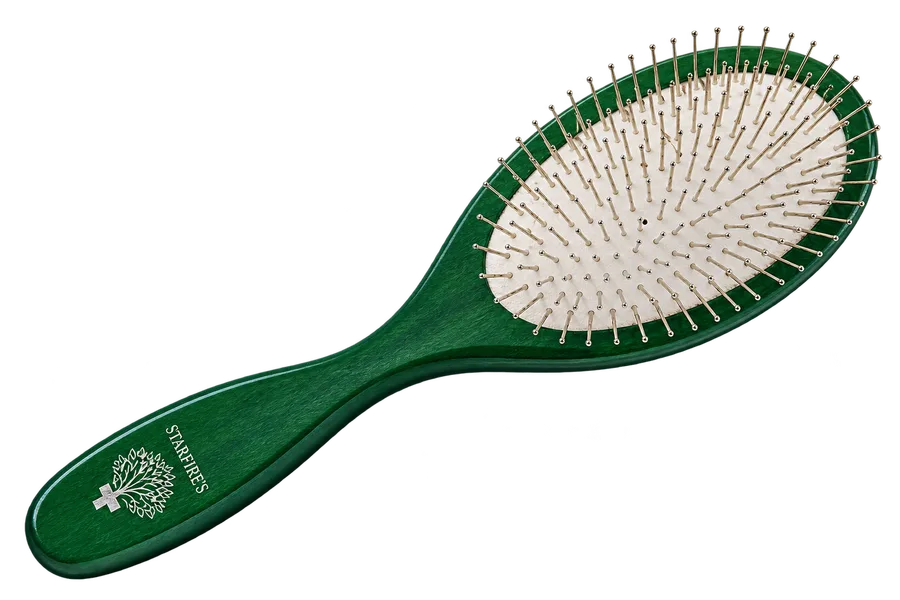
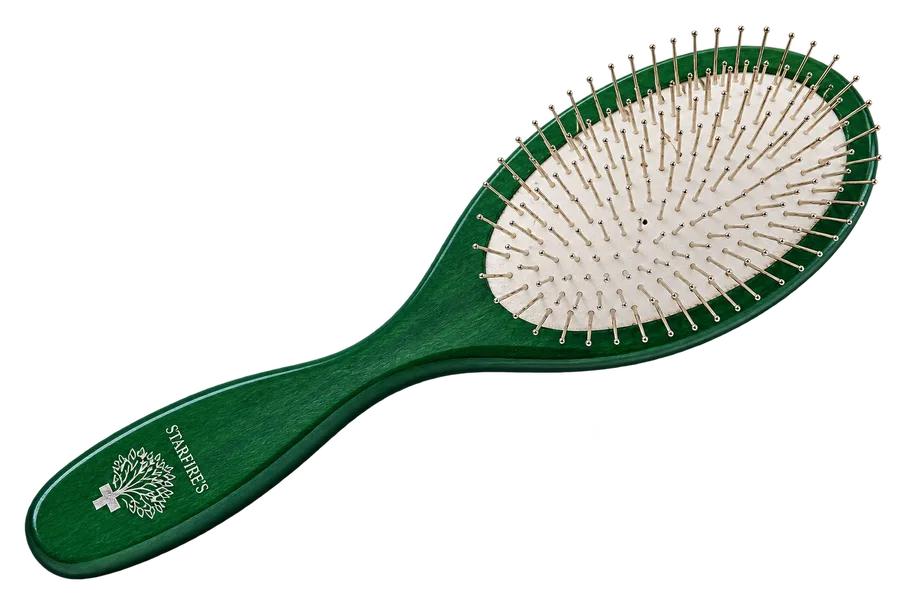
For smaller pets or detailed work on dense areas, a Small Size Metallic Brush with Extra Long Tines works well. Its long, soft-tipped tines can get deep into the coat. For larger small pets or broader areas, the Big Size Metallic Brush can cover more ground efficiently. Both are designed to be gentle on the skin.
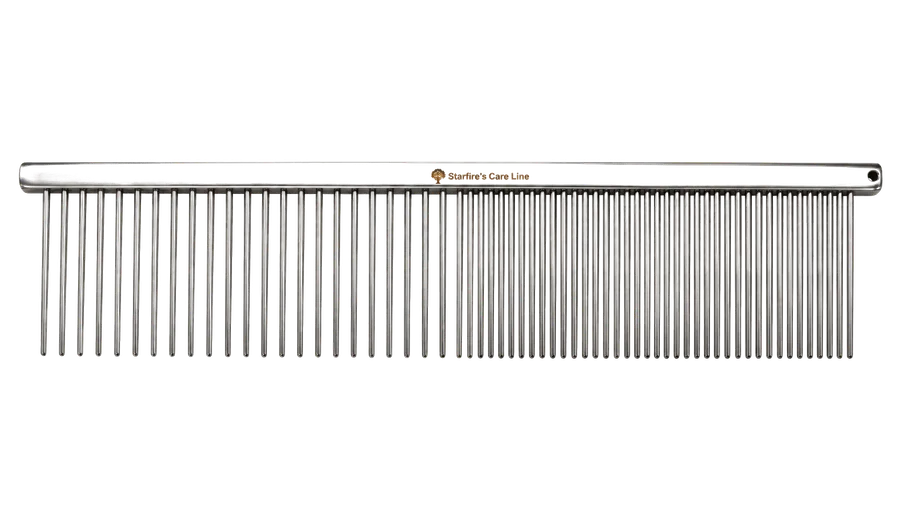
To manage tangles and ensure the coat is free of knots, Professional Combs are essential. A wide-tooth comb is good for initial detangling. A finer comb can be used for a final check.
You can explore all the available options for brushes and combs on our grooming tools page.
Gentle brushing technique
Always approach grooming calmly. Start with short, gentle sessions, especially if your pet is new to brushing. Find a comfortable, quiet space where your pet feels secure.
Begin by gently stroking your pet’s coat with the appropriate brush. For very long coats, you might need to part the fur and brush in sections. Work your way from the ends of the hair toward the skin. This prevents pulling on tangles. Use light, even strokes. Pay close attention to areas where mats often form, such as behind the ears, under the legs, and around the tail.
If your pet shows signs of discomfort, stop and try again later. Positive reinforcement with gentle words helps. The goal is a comfortable experience for your pet.
Handling tangles and mats
Even with regular brushing, tangles can happen. Never pull or yank on a mat. This can hurt your pet’s skin. Instead, gently separate the tangle with your fingers if possible. Then, use a wide-tooth Professional Combs to carefully tease the knot apart, working from the outer edge inward. Hold the hair close to the skin to minimize pulling. This protects your pet from discomfort.
For stubborn mats, you may need to work on them over several short sessions. Patience is key. If a mat is very tight or close to the skin, it is best to consult a professional groomer or veterinarian. Do not try to cut out mats with scissors at home, as this can easily lead to accidental cuts on your pet’s skin.
Finishing the session
Once you have brushed through the entire coat and removed any tangles, do a final check with your comb. Run the comb through the coat from root to tip. This ensures no small knots were missed. It also helps to distribute natural oils, which gives the coat a healthy appearance.
Regular, gentle grooming sessions help your long-haired small pet stay comfortable and happy. It is a simple way to care for their overall well-being.
What you need
- Small Size Metallic Brush with Extra Long Tines: for reaching dense coats and smaller pets.
- Big Size Metallic Brush: for larger areas and bigger small pets.
- Professional Combs: for detangling and checking for knots.
For a personalized grooming plan for your pet, visit our routines page.