








Hairless cats, like Sphynx breeds, are known for their striking appearance and affectionate personalities. Without a protective layer of fur, their skin is exposed and requires special attention. This means a different approach to grooming compared to their furry counterparts. Their skin can accumulate oils, dirt, and debris, making regular care essential for their comfort and health. Understanding how to properly groom your hairless cat helps maintain their skin’s balance and keeps them feeling their best.
Bathing Your Hairless Cat
Regular bathing is a cornerstone of hairless cat care. Because they lack fur to absorb natural skin oils, these oils can build up, leading to a greasy feeling or even skin issues if not managed. The frequency of baths depends on your cat’s individual needs and skin type, but generally, a bath every one to four weeks is common.
When it’s bath time, always use lukewarm water. Water that is too hot or too cold can be uncomfortable or even stressful for your cat. Choose a shampoo made specifically for cats; never use human shampoo or dog shampoo, as these can irritate sensitive feline skin. Gently lather the shampoo over their body, paying attention to skin folds where dirt and oil can hide. Massage gently, then rinse thoroughly. It is important to remove all shampoo residue to prevent skin irritation.
After the bath, gently blot your cat dry. Avoid rubbing vigorously, which can irritate their sensitive skin. A soft, absorbent towel works best. The Big Size Microfiber Towel is designed for quick, efficient drying and is gentle on the skin. It helps to absorb moisture without harsh friction.
Keeping Skin Clean Between Baths
Even with regular baths, daily attention to your hairless cat’s skin is beneficial. Many hairless cats enjoy being wiped down with a warm, damp cloth. This can help remove surface dirt and excess oils, keeping their skin fresh.
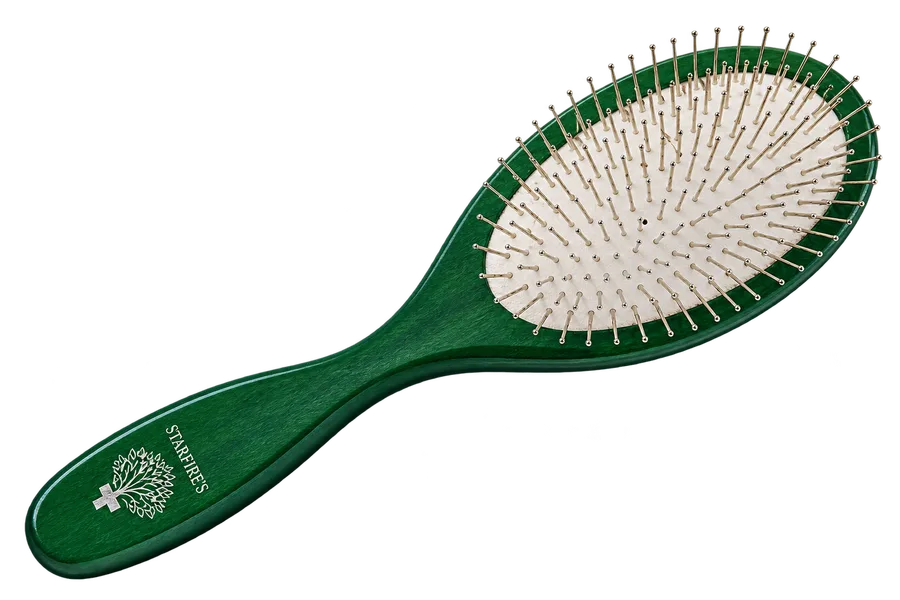
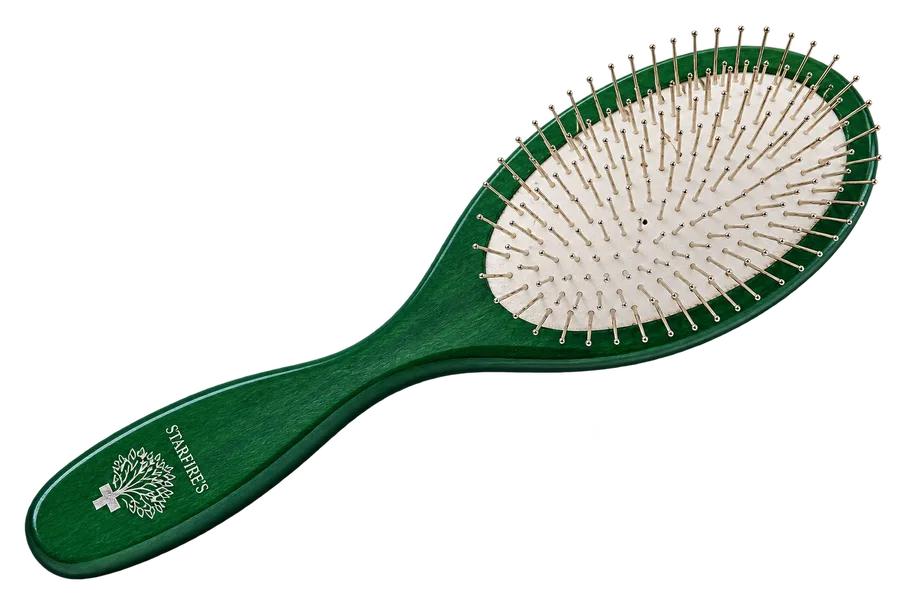
For light cleaning or to gently stimulate the skin, you can use a soft brush. While hairless cats don’t have fur to brush, a very gentle brush can help distribute natural oils and remove flaky skin. The Small Size Metallic Brush with Extra Long Tines has soft-tipped tines that are gentle for both dogs and cats, making it suitable for careful use on your hairless companion’s skin. Its design allows for a light touch.
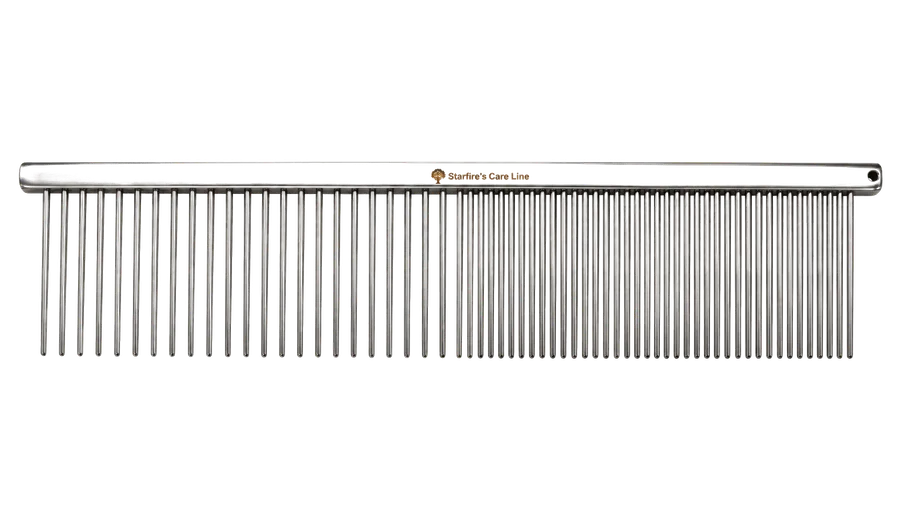
Sometimes, specific areas, like skin folds, might need a little extra attention. A Professional Combs can be useful for very gentle, precise cleaning. The wide-tooth side can carefully part skin folds if needed, allowing you to clean more effectively with a damp cloth or swab. Remember, always be gentle and observe your cat’s reactions.
Addressing Tear Stains
Some hairless cat breeds, especially those with flatter faces, may be prone to tear stains. These reddish-brown marks can appear around the eyes due to tear production. Keeping this area clean is important for both hygiene and appearance.
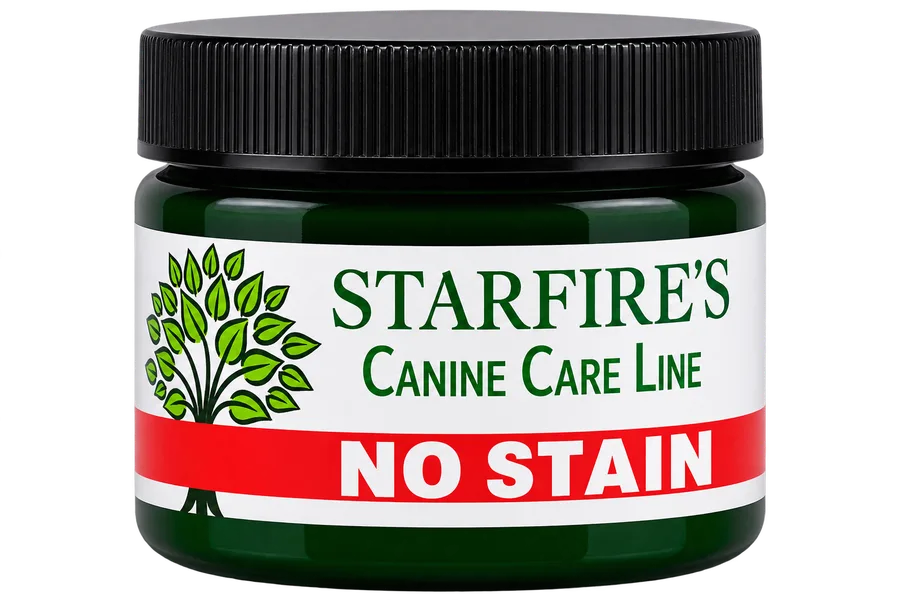
To help manage tear stains, you can use No Stain. This powder is formulated to effectively eliminate tough stains around the eyes for both dogs and cats. For application, use a clean cotton swab. Dip the swab into the powder and apply it directly to the stained areas. To ensure the powder remains clean and effective, never dip your fingers directly into the jar. Consistent daily application helps maintain facial cleanliness.
Regular Grooming for Overall Health
Beyond skin care, a complete grooming routine for your hairless cat includes other essential steps:
- Ear Cleaning: Hairless cats often have more visible ear wax buildup because they lack hair inside the ears to trap dirt. Check their ears regularly, typically once a week. If you notice wax or dirt, use a vet-approved ear cleaner and cotton balls or soft wipes. Never use cotton swabs inside the ear canal. Gently wipe the visible parts of the ear.
- Nail Trimming: Keep your cat’s nails trimmed to a comfortable length. This prevents them from getting too long, which can be painful or cause damage to furniture. Use cat-specific nail clippers and trim only the very tip, avoiding the quick. If you are unsure, ask your vet or a professional groomer for a demonstration.
- Sun Protection: Because their skin is exposed, hairless cats can be susceptible to sunburn if they spend time outdoors. If your hairless cat enjoys supervised outdoor time, discuss appropriate sun protection strategies with your veterinarian. They can offer guidance on safe options for your specific cat.
A consistent and gentle grooming routine helps your hairless cat stay clean, comfortable, and healthy. It also provides an opportunity for regular bonding and checking their skin for any unusual changes.
What you need
- Big Size Microfiber Towel: for blotting your cat dry after a bath.
- Small Size Metallic Brush with Extra Long Tines: for gentle cleaning and wiping between baths.
- Professional Combs: for careful spot cleaning in skin folds.
- No Stain: for daily application to help with tear stains around the eyes.
For a routine tailored to your specific pet, visit our Grooming Advisor.