








Brushing your cat is a simple routine that offers many benefits. It helps keep their coat smooth and free of tangles. It also reduces the amount of loose hair they swallow, which can help with hairballs. Beyond coat health, regular brushing is a quiet time you share, building a stronger bond with your pet.
Why Brush Your Cat?
Cats are good at grooming themselves, but they still need our help. Regular brushing helps remove dead hair and skin, which reduces shedding around your home. It prevents mats, especially in long-haired breeds or older cats who might not groom as thoroughly. Mats can be uncomfortable and pull on a cat’s skin. Brushing also helps distribute natural oils through the coat, promoting a healthy shine. For flat-faced cat breeds, keeping the fur around their eyes clean can also help manage tear stains.
Choosing the Right Tools
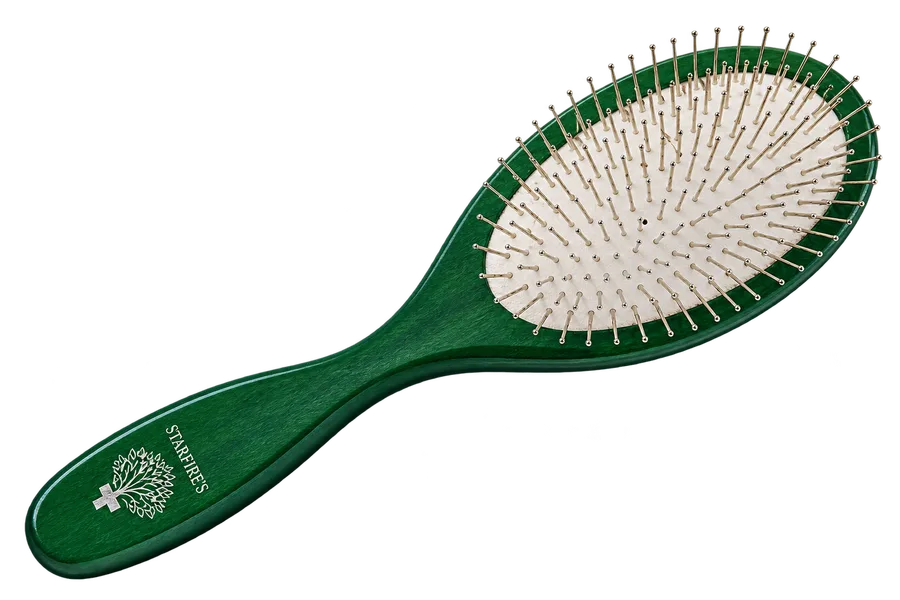
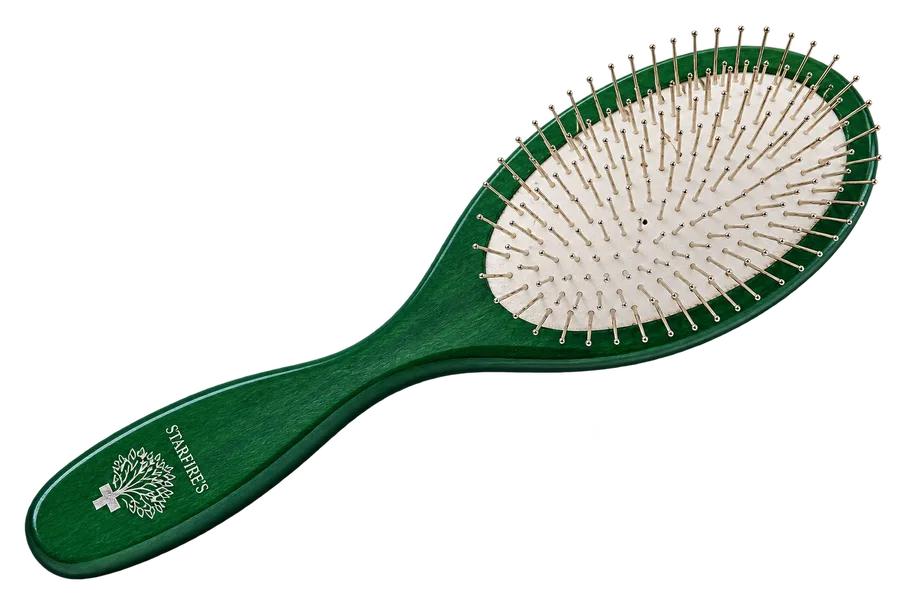
Having the correct tools makes brushing easier and more effective for both you and your cat. For most cats, a slicker-style brush is a good starting point. The Small Size Metallic Brush with Extra Long Tines is ideal for reaching into dense or long coats, and its soft tips are gentle on your cat’s skin. For larger cats or broader areas, the Big Size Metallic Brush offers a wider surface.
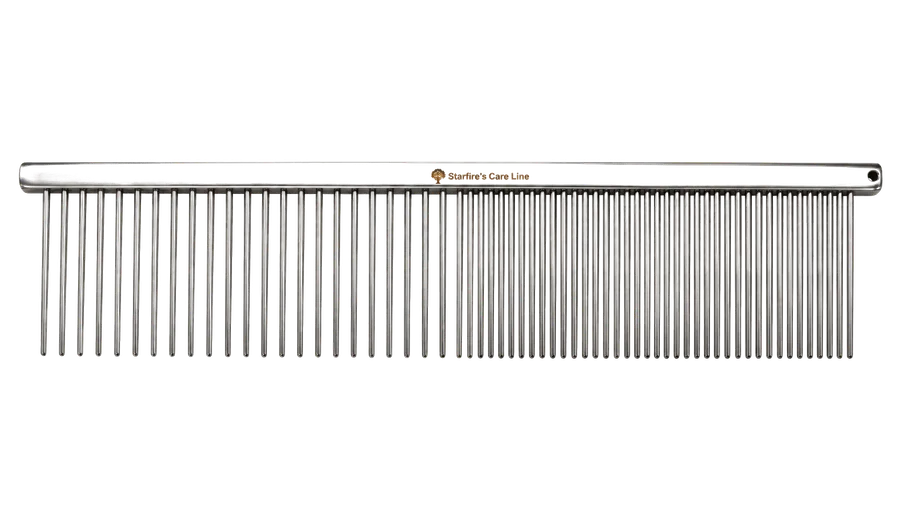
After using a slicker brush, a comb helps to check for any remaining tangles and smooth the coat. Professional Combs are useful for this final check, running from root to tip to ensure no knots remain. You can explore all our grooming tools on our Grooming Tools page.
For drying your cat after a bath, a Big Size Microfiber Towel is highly absorbent and soft, making the process quicker and more comfortable for your pet.
How to Brush Your Cat
Start your brushing sessions when your cat is relaxed. Keep sessions short, especially when you are both learning. A few minutes each day is better than one long, stressful session a week. Gently introduce the brush, letting your cat sniff it. Offer praise and treats to make it a positive experience.
Begin brushing gently, working with the direction of the fur. Use the Small Size Metallic Brush with Extra Long Tines or the Big Size Metallic Brush to remove loose fur. Pay special attention to areas where mats often form: behind the ears, under the front legs, on the belly, and along the back legs. If you encounter a mat, try to work it out gently with your fingers or the wide-tooth side of a Professional Combs. Never pull on a mat, as this can hurt your cat. If a mat is too tight or large, a professional groomer can help.
After brushing, run a comb through the coat to ensure all tangles are gone and the coat is smooth. This also helps catch any loose hairs the slicker brush might have missed.
Tackling Tear Stains
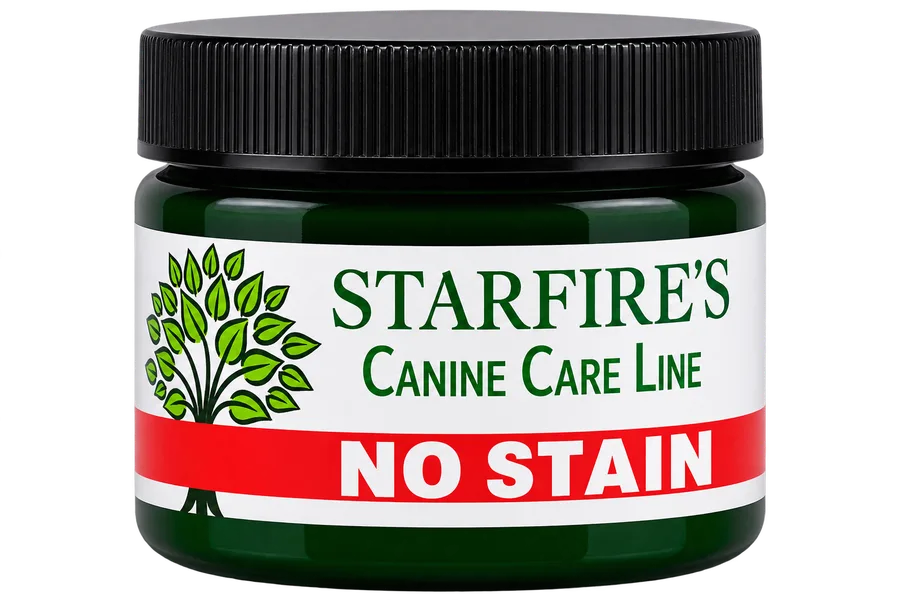
Some cat breeds, especially those with flat faces, can develop tear stains around their eyes. Keeping this area clean is part of their regular grooming. For daily care, No Stain powder is made for dogs and cats to help keep the eye area clean. Apply it with a clean cotton swab. To keep the powder clean, never dip your fingers directly into the jar.
What you need
- Small Size Metallic Brush with Extra Long Tines: for daily brushing and reaching dense coats.
- Big Size Metallic Brush: for larger cats and broader coat areas.
- Professional Combs: for checking for knots and smoothing the coat.
- Big Size Microfiber Towel: for quick and gentle drying after a bath.
- No Stain: for daily care around the eyes to manage tear stains.
For a routine built for your pet, visit our Grooming Advisor.