




Even short-haired small pets benefit from regular brushing. While they might not get the long, flowing coats of some breeds, their fur still sheds, collects debris, and can develop small tangles, especially in denser areas. Brushing keeps their coat healthy, reduces loose hair around your home, and gives you a chance to check their skin. It is also a calming time you share with your pet.
Why Regular Brushing Helps
Even short-haired small pets benefit greatly from regular brushing. Their fur, while not long, still goes through shedding cycles. Removing this loose hair is crucial, especially for pets like guinea pigs and rabbits. When these animals self-groom, they can ingest a significant amount of loose fur. This ingested hair can sometimes cause digestive blockages, which are serious health concerns for small pets. Consistent brushing helps to minimize this risk by removing the hair before they can consume it.
Beyond shedding management, brushing also plays a vital role in maintaining overall skin and coat health. The gentle action of the brush stimulates the skin, improving circulation and encouraging the natural distribution of beneficial oils. These oils are essential for keeping their fur soft, shiny, and resilient. Regular grooming sessions also provide an excellent opportunity for you to perform a routine health check. As you brush, you can carefully examine your pet’s skin for any unusual lumps, bumps, redness, or signs of external parasites like fleas or mites. Detecting these issues early means you can address them quickly, helping to keep your pet comfortable and healthy. This shared quiet time also strengthens the bond between you and your companion.
Choosing the Right Tools
For short-haired small pets, you need tools that can gently remove loose fur without irritating their delicate skin. A slicker-style brush with soft tips is often a good choice. The tines should be long enough to reach through the coat without scratching the skin.
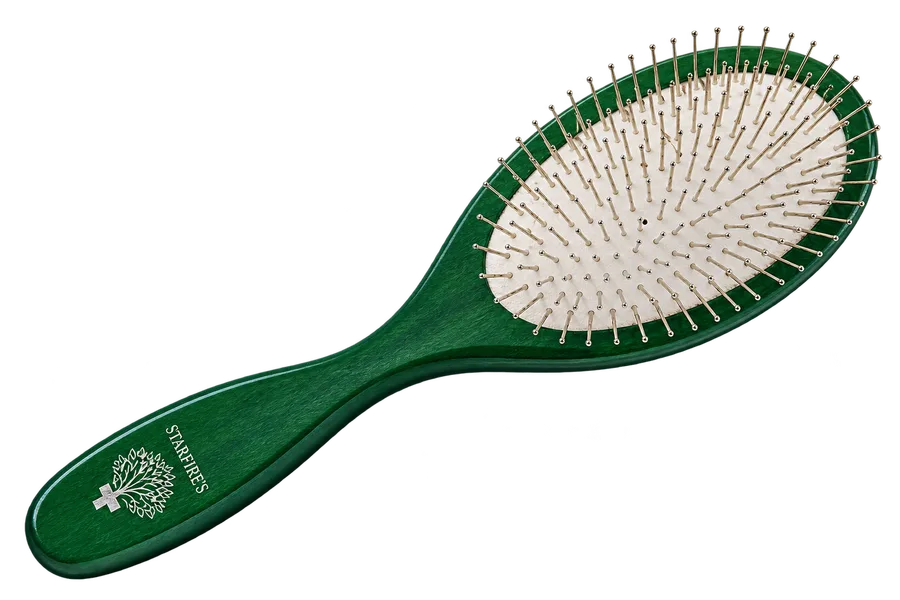
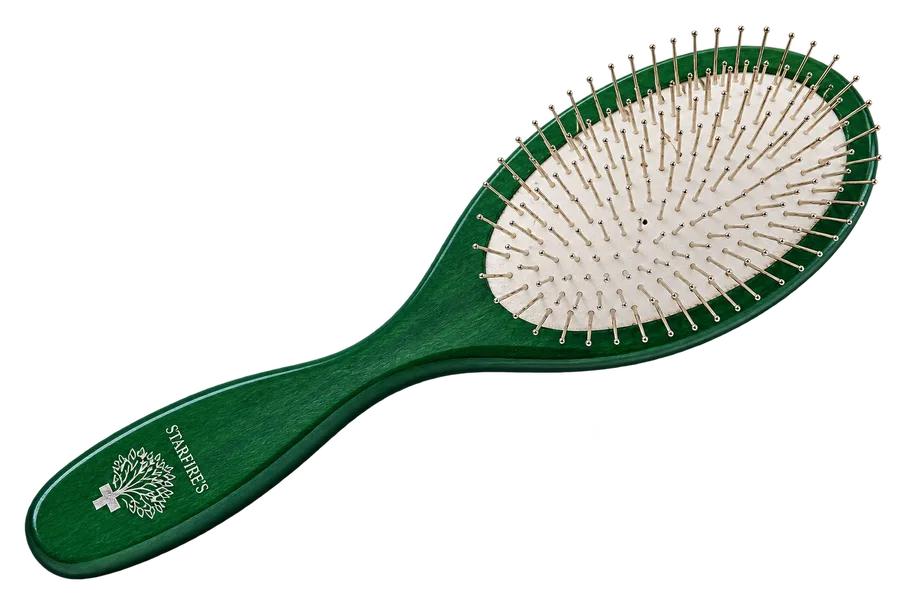
The Small Size Metallic Brush with Extra Long Tines is designed for this purpose. Its extra-long tines can reach into denser short coats, while the soft tips are gentle. For larger small pets, or if you prefer a wider brush for broader areas, the Big Size Metallic Brush might be more suitable. Both are designed to be effective yet gentle. You can explore the range of tools on our Grooming Tools page to find what works best for your pet.
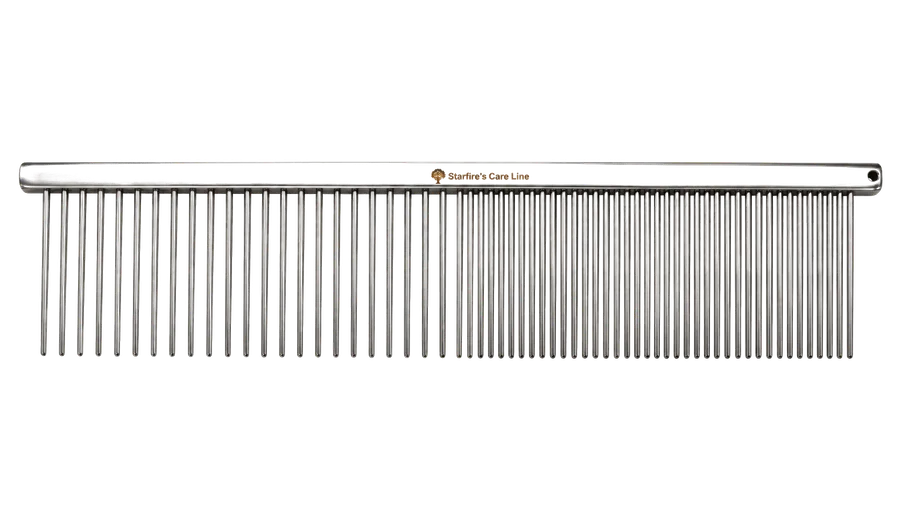
A good comb is also essential, even for short coats. It helps to check for any hidden mats or debris that the brush might miss. Professional Combs are useful for this final check.
A Gentle Brushing Routine
Establishing a regular brushing routine is key to keeping your short-haired small pet comfortable and their coat healthy. Consistency helps your pet get used to the process and even look forward to it.
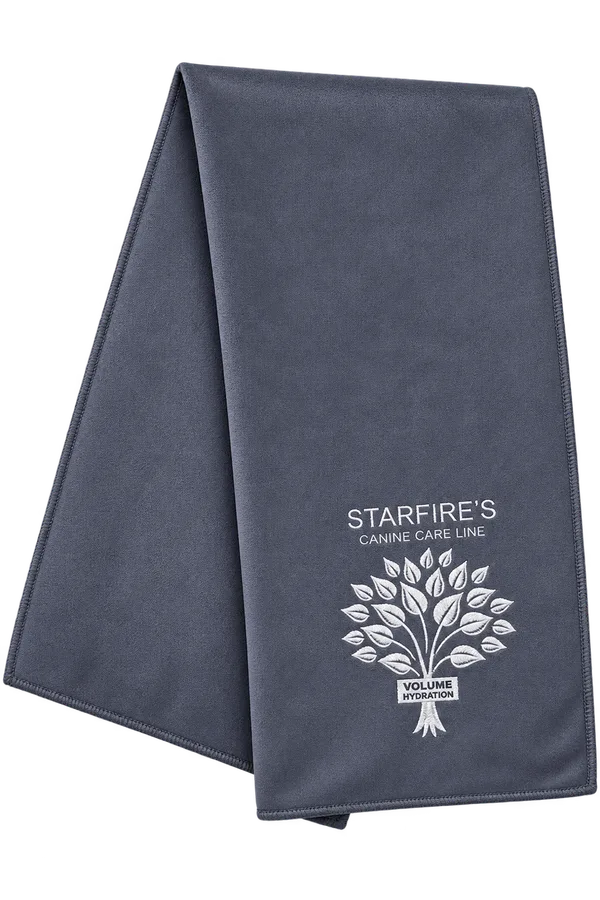
- Set the Scene: Choose a quiet, calm time when both you and your pet are relaxed. Find a comfortable spot, perhaps on your lap or a low table, where your pet feels secure. Lay down a soft item, like the Big Size Microfiber Towel. This offers a familiar texture for your pet and makes cleanup of loose fur easier.
- Introduce the Brush: Let your pet sniff the Small Size Metallic Brush with Extra Long Tines before you start. Begin with very short, gentle strokes, always moving in the direction their fur naturally grows. Avoid pressing down too hard. The goal is to lightly skim the surface to catch loose hairs. Watch your pet’s body language closely. If they seem stressed, take a break and try again later for a shorter period. Positive reinforcement, like soft praise or a tiny treat, can help them associate brushing with a pleasant experience.
- Systematic Coverage: Work your way methodically across your pet’s body. Start with their back, then move to their sides, and gently lift them to brush their belly and underarms. Don’t forget the areas around their hindquarters and tail, as these can often accumulate more loose fur and small particles from bedding. For larger small pets or wider areas, the Big Size Metallic Brush offers broader coverage. You can explore our full range of brushes and combs on the Grooming Tools page to find the best fit for your pet’s size and coat density.
- Clear the Brush: As you brush, loose hair will collect on the tines. Pause frequently to remove this hair, either by hand or with a comb, to ensure the brush remains effective. A clean brush works better.
- The Comb Check: After brushing the entire coat, take a Professional Comb and gently run it through the fur from root to tip. This step is a crucial final check. It helps to ensure all loose hairs have been removed and can reveal any tiny knots or debris that the brush might have missed. Pay extra attention to areas where fur might be slightly denser or prone to catching things.
Spotting and Handling Small Tangles
Even with diligent brushing, small tangles can sometimes form on short-haired pets. These are most common in areas where fur might be slightly longer or denser, such as behind the ears, under the legs, or around the tail. Tangles usually form when shedding hair gets caught in the coat or when bedding material becomes embedded.
If you discover a small tangle:
- Approach with Care: Your pet’s skin is delicate. Never pull or yank at a tangle, as this will cause pain and discomfort, making future grooming sessions difficult.
- Finger Teasing: The first step is to gently try to loosen the tangle with your fingertips. Work slowly from the outer edge of the tangle inwards, trying to separate the strands of hair.
- Comb Assistance: If finger teasing isn’t enough, select a tooth on your Professional Comb. Carefully use just the tip of one tooth to pick at the very edge of the tangle. Work in tiny increments. To protect your pet’s skin from pulling, always hold the fur at the base of the tangle, between the tangle and the skin, while you are combing. This isolates the pulling to the tangle itself.
- Know When to Stop: If a tangle is too tight, too large, or your pet is showing signs of distress, do not force it. Trying to cut out mats yourself with scissors is very risky for small pets, whose skin is thin and easily cut. In such cases, it is always safest to seek assistance from a professional groomer who has the right tools and expertise to remove the mat safely without injuring your pet.
Regular, gentle brushing sessions are the best defense against tangles. Aim for two to three short brushing sessions each week, increasing the frequency during seasonal shedding periods. This consistent care will keep your pet’s coat in excellent condition, reduce potential health issues, and deepen the bond you share.
What you need
- Small Size Metallic Brush with Extra Long Tines: for gently removing loose fur and stimulating skin.
- Professional Combs: for checking for small tangles and ensuring a thorough groom.
- Big Size Microfiber Towel: for providing a comfortable surface and easy cleanup.
For a routine tailored to your specific pet, visit our Grooming Advisor.