

















Even short-haired cats benefit from regular brushing. While they are good at grooming themselves, a little help from you can make a big difference. Brushing helps remove loose fur, reduces hairballs, and keeps their coat looking its best. It is also a chance for you to bond with your cat.
Why Brush a Short-Haired Cat?
Brushing a short-haired cat regularly offers several advantages. It helps to catch loose hairs before they are swallowed, which can lead to hairballs. It also stimulates the skin, promoting better circulation and a healthier coat. Regular contact through grooming can also help you spot any skin issues or lumps early on.
Choosing the Right Tools
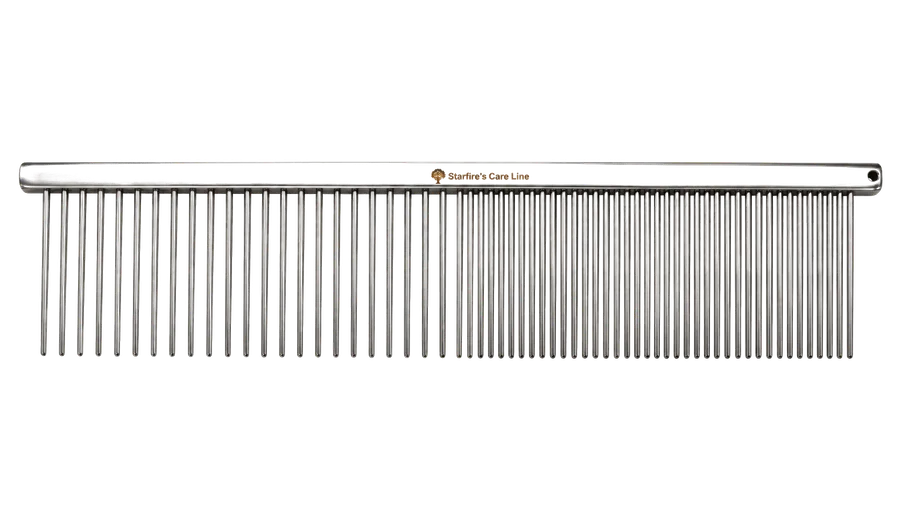
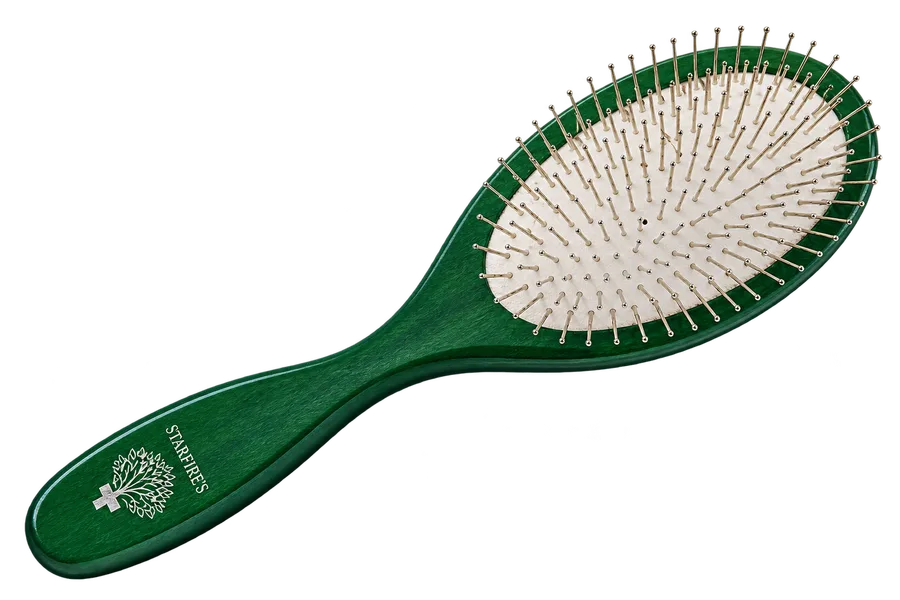
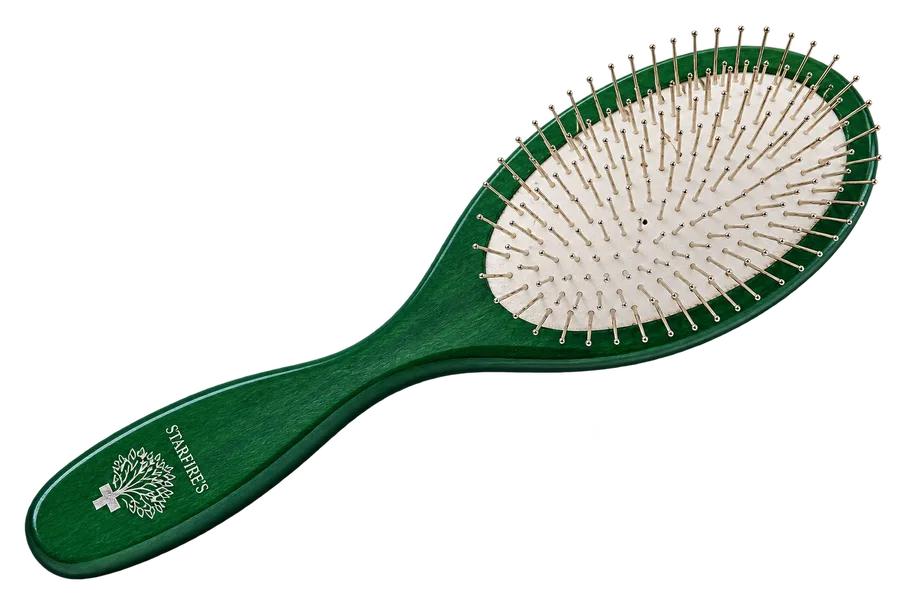
For short-haired cats, you need tools that can gently remove loose fur without irritating their skin. A slicker-style brush with soft tips is often a good choice. The Small Size Metallic Brush with Extra Long Tines is designed to reach through the coat effectively, making it suitable for many short-haired breeds. For checking the coat and gently working out any small tangles, a comb is essential. The Professional Combs are useful for this purpose, with a wide-tooth option for delicate areas. You can explore all our grooming tools on the Grooming Tools page.
Your Gentle Brushing Routine
Start with short, positive sessions, especially if your cat is new to brushing. A few minutes every day or every other day is often enough for short-haired cats.
- Find a Quiet Time: Choose a moment when your cat is relaxed, perhaps after a nap or a meal.
- Gentle Strokes: Use the Small Size Metallic Brush with Extra Long Tines and brush gently in the direction of hair growth. Start from the head and work your way down their back and sides. Use short, soft strokes.
- Focus on Key Areas: Pay extra attention to areas where loose fur tends to gather, such as along the spine and hindquarters. These are common spots for shedding.
- Check for Tangles: Even short-haired cats can get small mats, especially behind their ears, under their front legs, or around their tail. After brushing, use a Professional Combs to gently check these spots. If you find a small tangle, try to work it out carefully with the comb, holding the hair at the base to avoid pulling your cat’s skin.
- Positive Reinforcement: Always end the session with praise, petting, or a small treat. This helps your cat associate brushing with a positive experience.
Dealing with Shedding
Short-haired cats shed throughout the year, with heavier shedding during seasonal changes. Regular brushing is the best way to manage this. By removing the loose undercoat with your Small Size Metallic Brush with Extra Long Tines, you can significantly reduce the amount of fur your cat ingests and leaves around your home. Consistent daily brushing during peak shedding times will be most effective.
Managing Tear Stains
Some short-haired cat breeds, particularly those with flatter faces, can develop tear stains around their eyes. Keeping this area clean is part of a good grooming routine. No Stain is a daily powder designed for this purpose. To apply, use a clean cotton swab and gently dust the powder around the stained area. Remember to never dip your fingers into the jar to keep the powder clean and effective.
Making it a Positive Experience
Consistency and patience are key. Keep grooming sessions short and pleasant. If your cat resists, do not force it. Try again later for an even shorter period. Over time, most cats learn to enjoy the attention and the feeling of being brushed.
What you need
- Small Size Metallic Brush with Extra Long Tines: for daily brushing to remove loose hair.
- Professional Combs: to check for small tangles and smooth the coat.
- No Stain: for keeping the eye area clean and clear of tear stains.
- Big Size Microfiber Towel: for general clean-up or blotting after a bath with a cat-safe shampoo.
If you want a routine built for your own pet, visit our Grooming Advisor.