




Long-haired small pets like rabbits and guinea pigs need regular grooming to stay healthy and comfortable. Their beautiful long coats can easily get tangled and matted. Brushing helps prevent these issues, reduces the amount of loose fur around your home, and supports your pet’s overall well-being.
Why Brushing Matters for Small Pets
Regular brushing does more than just make your pet look neat. It helps remove loose hair, which is especially important for pets like rabbits who can ingest fur during self-grooming. This can lead to digestive problems. For all long-haired small pets, brushing helps prevent mats. Mats are tight tangles that pull on the skin, causing discomfort and even skin irritation. Brushing also gives you a chance to check your pet’s skin for any concerns.
Choosing the Right Brush
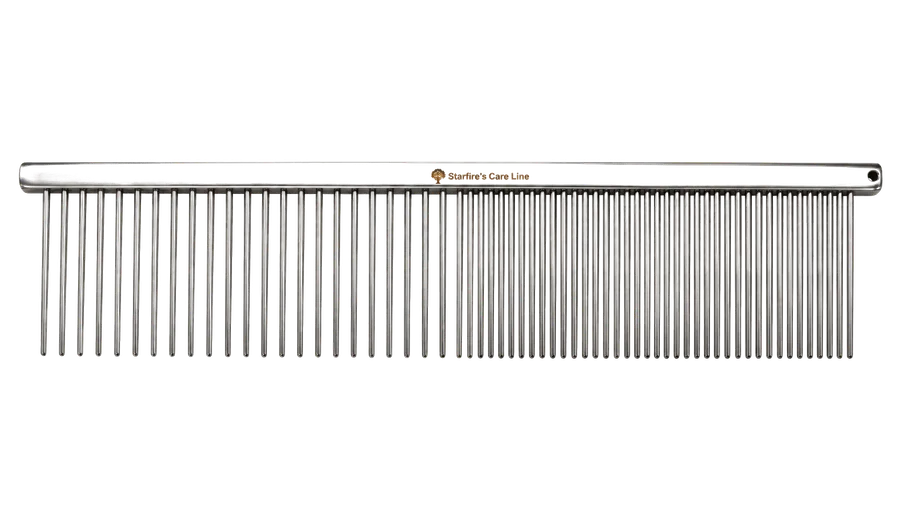
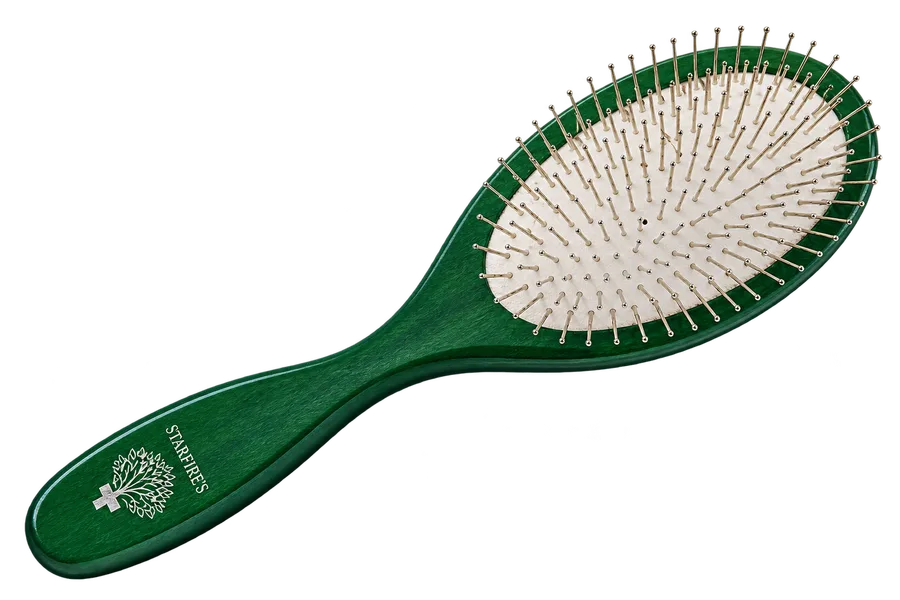
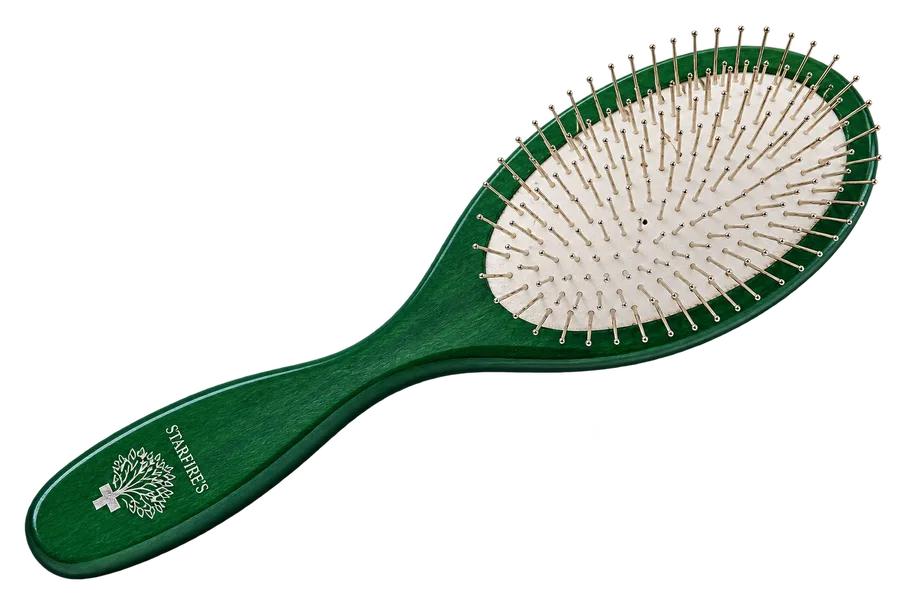
Selecting the correct tools makes brushing easier and more effective for both you and your pet. For long-haired small pets, gentle but effective brushes are key. A Small Size Metallic Brush with Extra Long Tines is an excellent choice. Its extra-long, soft-tipped tines can reach deep into dense coats without scratching the skin. For larger areas or pets, the Big Size Metallic Brush offers a broader surface. After brushing, a Professional Combs can help smooth the coat and check for any remaining tangles.
How to Brush Your Small Pet
Start by finding a quiet, comfortable place where your pet feels secure. Handle your pet gently and speak in a calm voice. Aim for short, frequent brushing sessions, especially when your pet is young, to help them get used to the routine.
- Gentle Start: Begin by gently petting your pet to relax them. Hold them securely but comfortably on your lap or a non-slip surface.
- Section the Coat: For very long or dense coats, it helps to part the fur and brush in small sections. Work from the skin outwards, using the Small Size Metallic Brush with Extra Long Tines or the Big Size Metallic Brush with light, even strokes.
- Follow Hair Growth: Always brush in the direction the hair grows. This prevents pulling and makes the experience more pleasant for your pet.
- Check for Mats: Pay special attention to areas prone to matting, such as behind the ears, under the chin, and around the hindquarters. If you find a small mat, try to gently tease it apart with your fingers first. Then, use a wide-tooth comb from the Professional Combs set to carefully work through it. Always be very careful to avoid pulling your pet’s skin.
- Finish with a Comb: Once you have brushed out most of the loose hair, use the larger comb from the Professional Combs set to smooth the coat and ensure all tangles are gone. Run the comb from root to tip to confirm the coat is free of knots.
Dealing with Mats
Mats can be painful and may require careful attention. If you encounter a mat, do not pull on it. Instead, use a wide-tooth comb from the Professional Combs set to gently pick at the edges of the mat, working slowly from the outside in. If a mat is very tight or close to the skin, it is best to consult with a professional groomer or veterinarian. Never try to cut out mats with scissors unless you are trained to do so, as it is very easy to cut the skin underneath.
Shedding Season Care
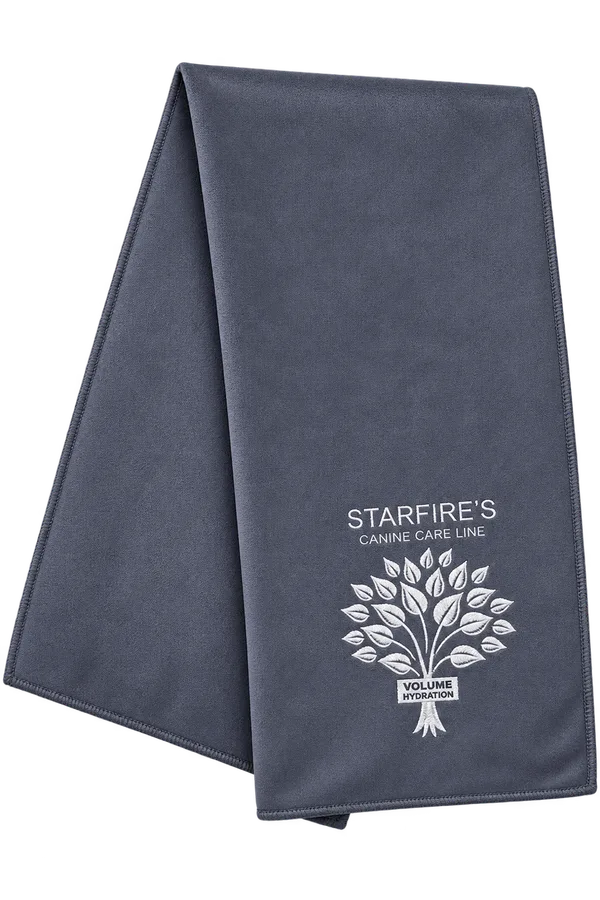
Small pets, especially rabbits, often experience heavy shedding seasons. During these times, daily brushing can be very beneficial. Increased brushing helps remove the shedding undercoat, reduces the risk of hairballs, and keeps your pet cooler. You might also find a Big Size Microfiber Towel useful for quickly wiping away loose fur from your pet or grooming area after a session.
Regular, gentle brushing is a simple way to keep your long-haired small pet healthy and happy. It strengthens your bond and helps you keep an eye on their skin and coat condition.
What you need
- Small Size Metallic Brush with Extra Long Tines: for reaching through dense or long coat with soft-tipped tines.
- Big Size Metallic Brush: for broader areas of coat on larger small pets.
- Professional Combs: for defining curls, checking for knots, and gently detangling.
- Big Size Microfiber Towel: for blotting the coat or wiping loose fur.
For readers who want a routine built for their own pet, explore the Grooming Advisor for tailored suggestions.