




Long-haired small pets like Angora rabbits or Peruvian guinea pigs have beautiful coats. These coats need regular care. Brushing often keeps them free of painful mats. It also helps manage shedding and keeps your pet comfortable.
Why Regular Brushing Matters
Mats are tight tangles of fur. They can pull on your pet’s skin. This can cause discomfort or even skin irritation. Mats can hide skin problems, too. Regular brushing removes loose hair and prevents these tangles from forming. It also helps distribute natural oils, keeping the coat healthy.
Gather Your Tools
Having the right tools makes brushing easier and more effective. You will need a slicker brush and professional combs. These tools are designed to work through dense or long coats without causing discomfort.
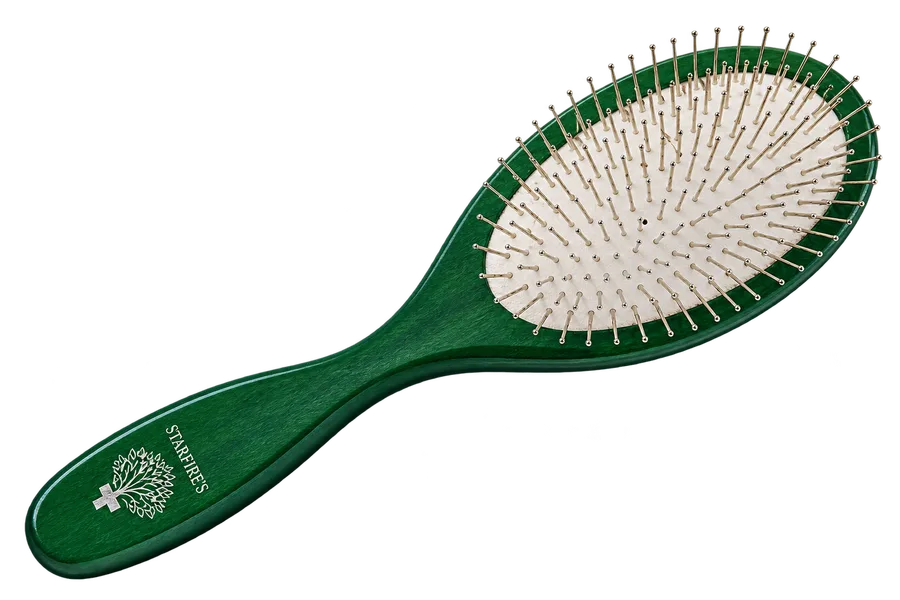
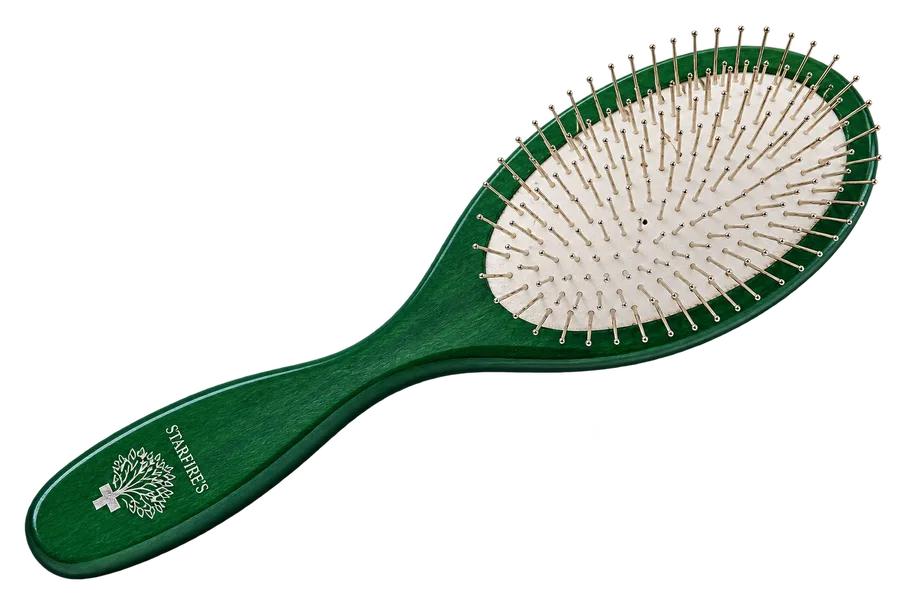
For smaller areas or very dense coats, use the Small Size Metallic Brush with Extra Long Tines. This slicker-style brush has soft-tipped, extra-long tines. They reach deep into the coat. For larger pets or broader areas, the Big Size Metallic Brush can cover more ground quickly. Both are soft-tipped and suitable for delicate skin.
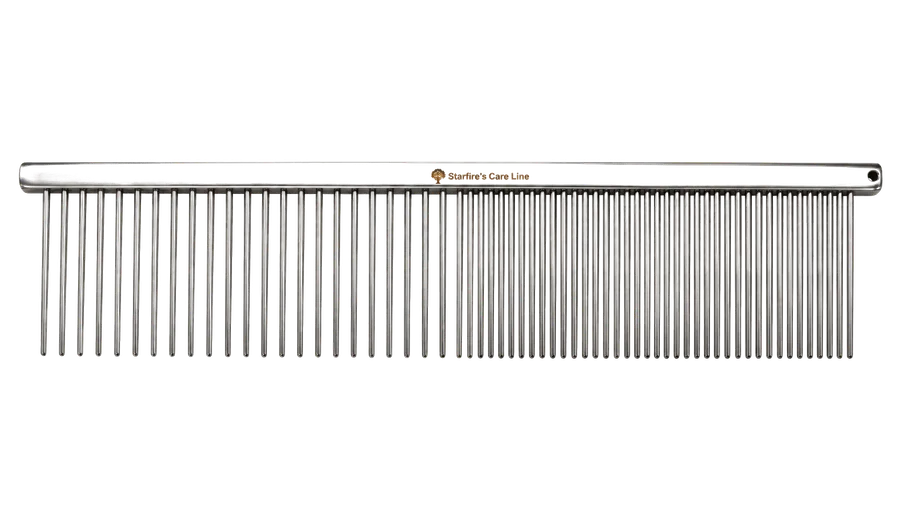
Professional Combs are essential for checking for knots and detangling. The wide-tooth comb helps define texture and gently separate strands. The large comb is perfect for a final check from root to tip, making sure no knots remain.
If you want to explore more options, you can see all our Grooming Tools.
The Brushing Routine
Start by finding a quiet, comfortable space. Make sure your pet feels secure. Offer a treat to make it a positive experience.
- Initial Check: Gently run the wide-tooth comb from the Professional Combs through the coat. This helps you find any obvious tangles before you start brushing. Be very gentle around sensitive areas like behind the ears or under the legs.
- Section the Coat: Work on small sections at a time. This is especially helpful for very long or dense coats. You can part the fur with your fingers to expose the skin, then work outwards.
- Brush with a Slicker: Use the Small Size Metallic Brush with Extra Long Tines or the Big Size Metallic Brush. Brush in the direction of hair growth. Use light, gentle strokes. Start from the ends and work your way up to the roots. Be careful not to pull on the skin.
- Address Tangles: If you find a tangle, do not pull. Use the wide-tooth comb to gently tease it apart. Hold the fur closest to the skin with one hand. This prevents pulling. Work slowly from the outer edges of the tangle inward. If it is a stubborn mat, move to the detangling section below.
- Final Comb-Through: Once you have brushed the entire coat, use the large comb from the Professional Combs. Run it from root to tip. This ensures all loose hairs are removed and no small knots are left behind.
Detangling Mats Safely
Finding a mat can be frustrating. Approach it with patience and care. Never cut out a mat with scissors. This can easily cut your pet’s skin.
- Isolate the Mat: Gently separate the matted section from the rest of the coat.
- Apply Gentle Pressure: Hold the fur at the base of the mat. This protects your pet’s skin from pulling.
- Work Slowly with a Comb: Use the wide-tooth comb from the Professional Combs. Start at the very edge of the mat. Gently pick at the mat, a few strands at a time. Work your way through it slowly. You can also use the tip of the slicker brush to gently tease apart the mat.
- When to Seek Help: If a mat is very tight, close to the skin, or too large to detangle at home, contact a professional groomer. They have specialized tools and experience to remove severe mats safely.
Consistent brushing is the best way to keep your small pet’s coat healthy and mat-free. It also strengthens your bond with your pet.
What you need
- Small Size Metallic Brush with Extra Long Tines: for brushing smaller areas or very dense coats.
- Big Size Metallic Brush: for brushing larger areas of coat.
- Professional Combs: for initial checks, detangling, and a final knot check.
For a routine built for your specific pet, visit our Grooming Advisor.