





Long-haired cats are beautiful, but their luxurious coats need regular care. Without it, tangles can quickly become mats. Mats are uncomfortable for your cat and can lead to skin problems. Regular brushing at home helps keep their coat healthy, shiny, and free of knots.
Why Brushing Matters for Long-Haired Cats
Brushing does more than just make your cat look good. It removes loose fur, which helps prevent hairballs. It also distributes natural oils through the coat, keeping the skin healthy. Most importantly, consistent brushing prevents mats from forming. Mats can pull on the skin, causing pain and irritation. They can also hide skin infections or parasites. A regular brushing routine makes grooming easier for both of you.
Gather Your Tools
Having the right tools makes a big difference in keeping your cat’s coat in good condition. You need brushes and combs that can gently work through their fur without causing discomfort.
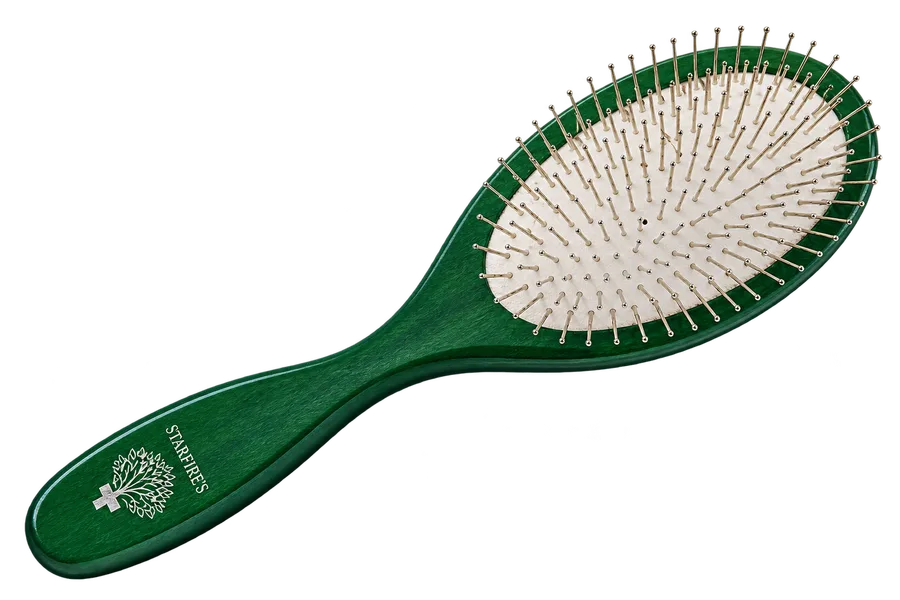
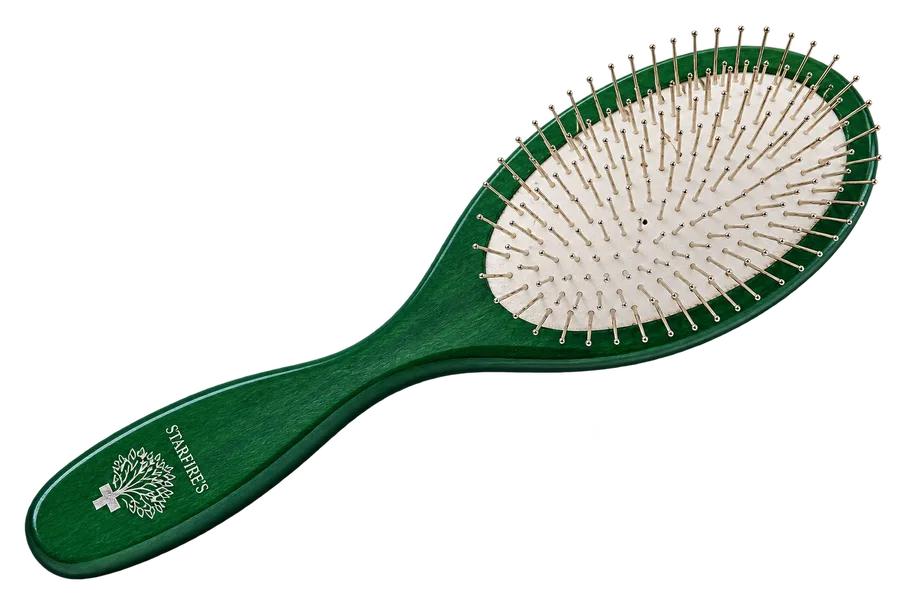
Start with a slicker brush. The Small Size Metallic Brush with Extra Long Tines is excellent for reaching deep into dense coats, especially for smaller cats or intricate areas. For larger cats or broader areas, the Big Size Metallic Brush works well. Both have soft-tipped tines to be gentle on your cat’s skin.
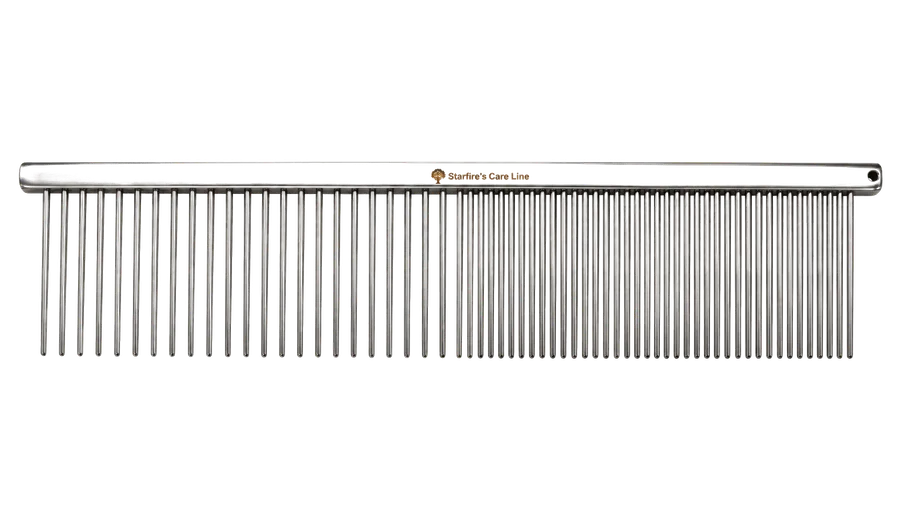
You will also need a good comb. Professional Combs are essential for checking for any missed tangles and for gently working through smaller knots. A wide-tooth comb is especially helpful for initial detangling.
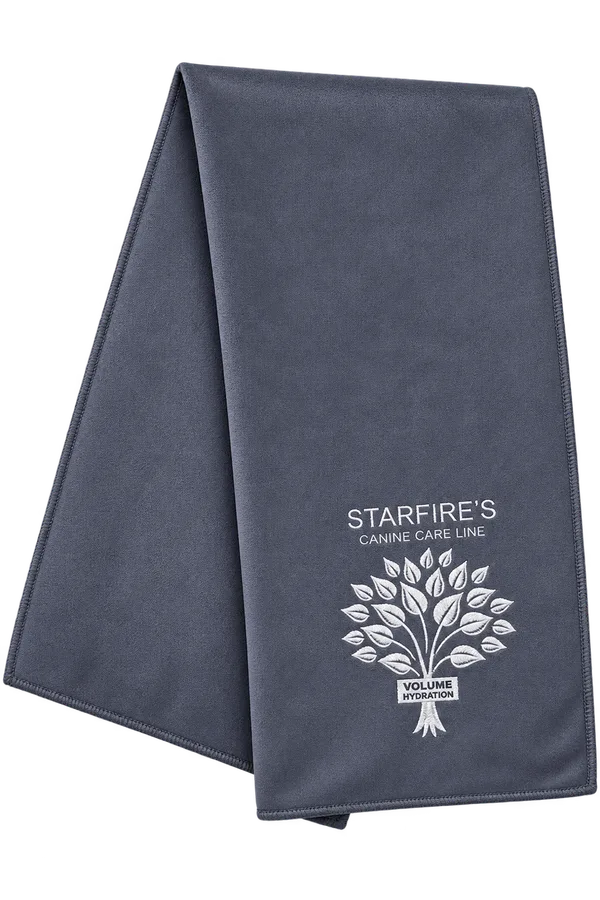
Keep a Big Size Microfiber Towel nearby. It’s useful for containing loose fur or for blotting moisture if you ever need to spot clean your cat.
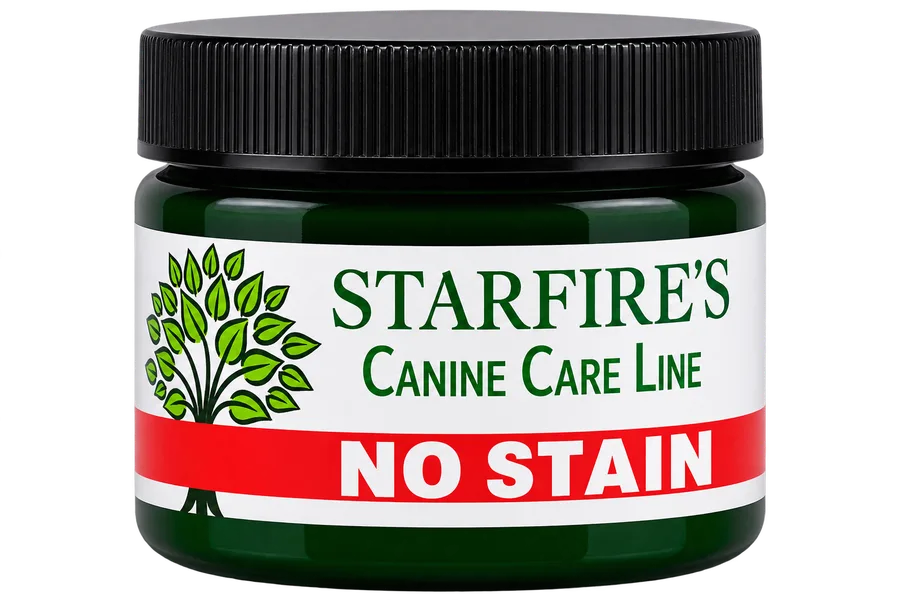
For tear stains, have No Stain ready to keep the eye area clean and clear.
Starting Your Brushing Routine
Find a quiet time when your cat is relaxed. Start with short sessions, especially if your cat is new to grooming. Use gentle strokes with your slicker brush, working in the direction of hair growth. Pay special attention to areas where mats often form: behind the ears, under the front legs, and around the hind legs and tail. The extra-long tines of the Small Size Metallic Brush with Extra Long Tines help reach these dense spots.
After using the slicker brush, follow up with a professional comb. Gently run the comb through the coat from root to tip. This helps catch any smaller tangles the brush might have missed. If the comb glides through easily, the coat is free of knots.
Tackling Mats Gently
If you find a mat, do not pull on it. This can hurt your cat and make them dislike grooming. Instead, use the wide-tooth side of your Professional Combs to gently tease the mat apart, working from the outer edges inward. Hold the base of the mat close to the skin to minimize pulling. Be patient and take breaks if your cat becomes restless. If a mat is very tight or close to the skin, it may be best to consult a professional groomer. Never use scissors near a mat, as it is very easy to accidentally cut the skin.
Dealing with Tear Stains
Long-haired cats, especially those with flat faces, can develop tear stains around their eyes. To address these, use No Stain. Dip a clean cotton swab into the powder. Gently apply it to the stained areas around the eyes. Be careful not to get the powder into your cat’s eyes. Always use a clean swab each time to keep the powder clean in the jar.
After the Brush
Once you have finished brushing, give your cat a treat and some praise. This helps them associate grooming with positive experiences. Regular, gentle brushing sessions will keep your long-haired cat comfortable and their coat beautiful.
What you need
- Small Size Metallic Brush with Extra Long Tines: for reaching through dense or long coat, especially on smaller cats or intricate areas.
- Big Size Metallic Brush: for larger cats and broader areas of coat.
- Professional Combs: for checking for knots and gently working through tangles.
- Big Size Microfiber Towel: for containing loose fur or blotting.
- No Stain: for daily application to clear tear stains around the eyes.
For a personalized routine built for your pet, visit our Grooming Advisor.