





Long-haired cats are beautiful companions, but their luxurious coats need regular care to stay healthy and comfortable. Brushing your cat helps prevent mats, reduces shedding, and strengthens your bond. With the right tools and a consistent approach, you can master the art of grooming your feline friend.
Why regular brushing matters
Regular brushing is more than just keeping your cat looking nice. It helps distribute natural oils through their fur, keeping their skin and coat healthy. It also removes loose hair, which means less shedding around your home and fewer hairballs for your cat. Mats can be painful for cats, pulling on their skin and sometimes leading to skin irritation. Daily attention to their coat can prevent these issues before they start, making grooming a pleasant experience for both of you.
The right tools for the job
Choosing the correct tools is key to effective and gentle grooming. For long-haired cats, you need brushes that can reach through dense fur without scratching the skin, and combs that can identify and gently work out tangles.
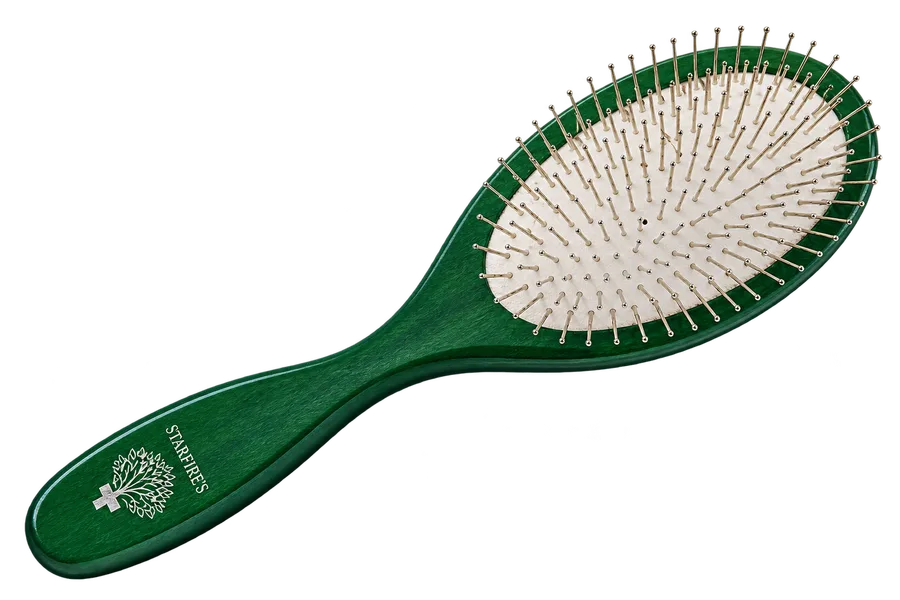
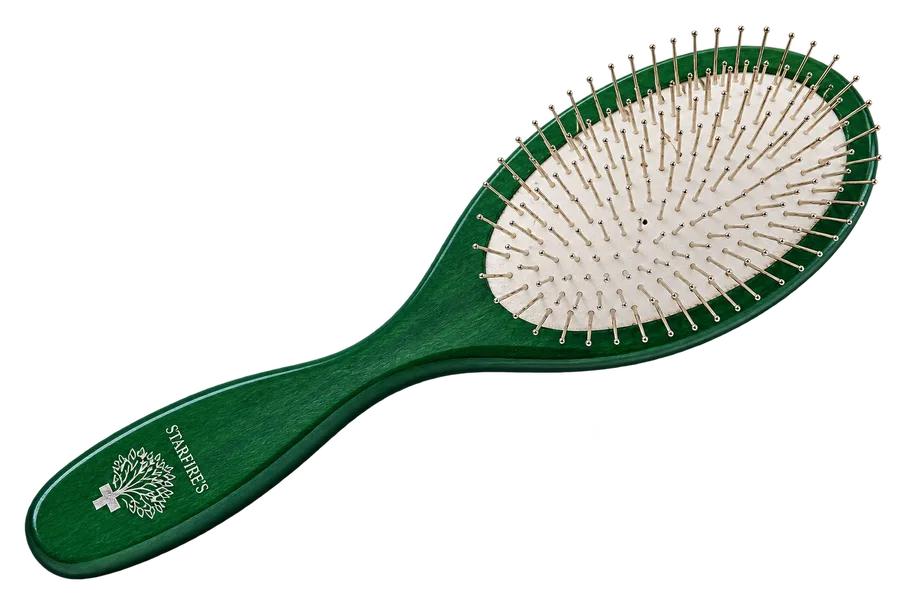
For general brushing, a slicker-style brush is very effective. The Small Size Metallic Brush with Extra Long Tines is designed with soft-tipped tines that reach deep into dense or long coats. This helps to lift loose hair and smooth the fur. For larger cats or broader areas of their body, the Big Size Metallic Brush offers a larger surface area with similar long tines to manage their full coat efficiently. These brushes are gentle enough for regular use on cats.
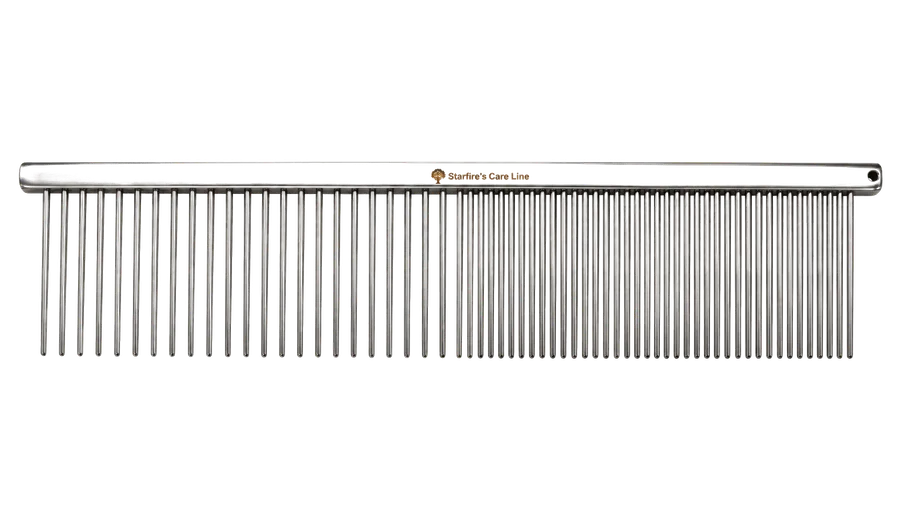
After brushing, a professional comb is essential for detangling and checking for any missed knots. The Professional Combs include a wide-tooth comb, which is excellent for working through longer sections of fur, and a larger comb to run from root to tip. This helps ensure the coat is free of tangles and mats that a brush might have missed.
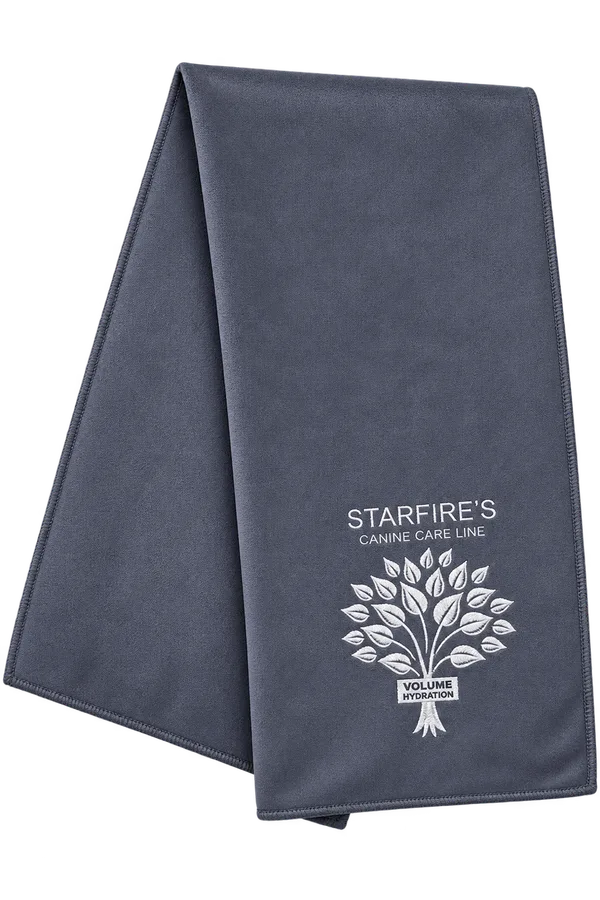
A Big Size Microfiber Towel is also a helpful tool to have on hand. While not for brushing, it is useful for blotting your cat dry after a bath or for general clean-ups, being highly absorbent and gentle on their fur.
For a complete overview of grooming tools suitable for your cat, you can explore our full range of grooming tools.
Step-by-step brushing technique
Start your grooming session when your cat is relaxed. A quiet time of day is often best. Begin with gentle strokes, allowing your cat to get used to the brush. Always brush in the direction of hair growth.
- Start with a slicker brush: Use the Small Size Metallic Brush with Extra Long Tines or Big Size Metallic Brush to go over the entire coat. Work in small sections. Start from the head and move towards the tail, then down the legs. Be extra gentle around sensitive areas like the belly, armpits, and behind the ears, where mats often form.
- Address tangles with a comb: Once you have brushed through the coat, use the Professional Combs. The wide-tooth comb is ideal for gently separating any small tangles. Hold the base of the hair near the skin to prevent pulling, and carefully work the comb through the knot. Never pull or yank on mats, as this can hurt your cat. If you encounter a stubborn mat, try to tease it apart with your fingers first.
- Final check: Run the large comb through the entire coat, from root to tip, to ensure there are no hidden knots or tangles. This step is your final check for a smooth, mat-free finish.
Consistency is key. Short, daily brushing sessions are often more effective and less stressful for your cat than infrequent, long sessions.
Dealing with tear stains
Some long-haired cat breeds, especially those with flatter faces, can develop tear stains around their eyes. These stains are not just a cosmetic issue; they can sometimes lead to skin irritation if not managed.
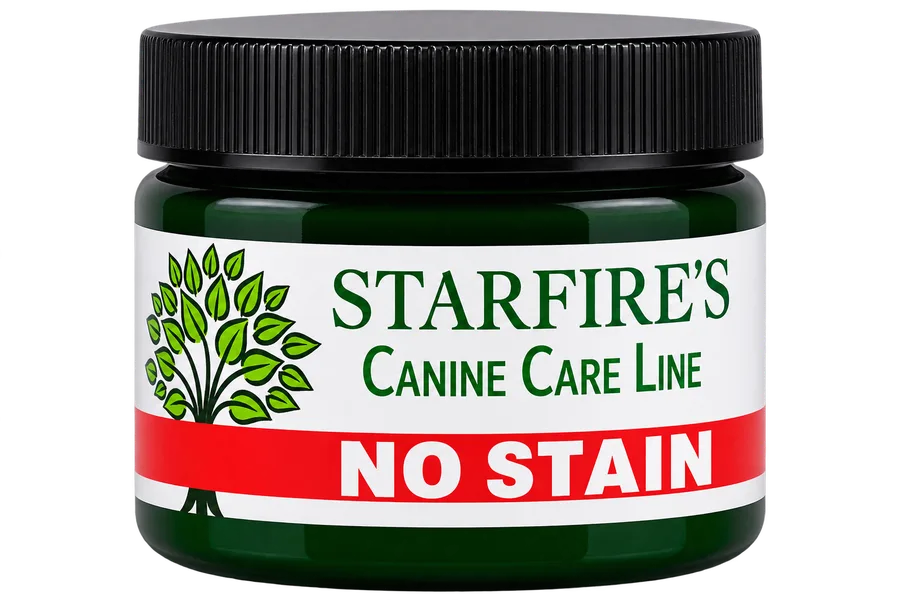
No Stain is a daily powder designed for both dogs and cats to help keep the eye area clean. To apply, use a clean cotton swab and gently dust the powder onto the stained areas. Remember to never dip your fingers directly into the jar, as this helps keep the powder clean and effective.
What you need
- Small Size Metallic Brush with Extra Long Tines: for reaching through dense or long coat during daily brushing.
- Big Size Metallic Brush: for efficiently brushing larger areas of your cat’s coat.
- Professional Combs: for detangling and checking the coat for any hidden knots.
- No Stain: for daily application around the eyes to manage tear stains.
- Big Size Microfiber Towel: for blotting your cat dry or for general clean-ups.
For more detailed guidance on routines for your specific pet’s needs, visit our routines page.