




Double-coated cats have a dense undercoat and a longer topcoat. This beautiful fur needs regular care to stay healthy and mat-free. Regular brushing removes loose hair, prevents tangles, and keeps your cat comfortable. It also helps manage shedding around your home.
Why Double Coats Need Special Care
A double coat provides insulation and protection. The soft, dense undercoat can trap loose hair, dander, and dirt. If not brushed out, this trapped fur can quickly form mats. Mats pull on a cat’s skin, causing discomfort and potentially leading to skin issues. The topcoat is usually longer and coarser, protecting the undercoat and skin from moisture and elements. Both layers need attention during grooming.
Regular brushing helps distribute natural skin oils, promoting a healthy, shiny coat. It also reduces the amount of hair your cat swallows during self-grooming, which can help prevent hairballs.
Gather Your Tools
Having the right tools makes a big difference in grooming efficiency and your cat’s comfort. For a double-coated cat, you will need brushes that can reach through both layers of fur.
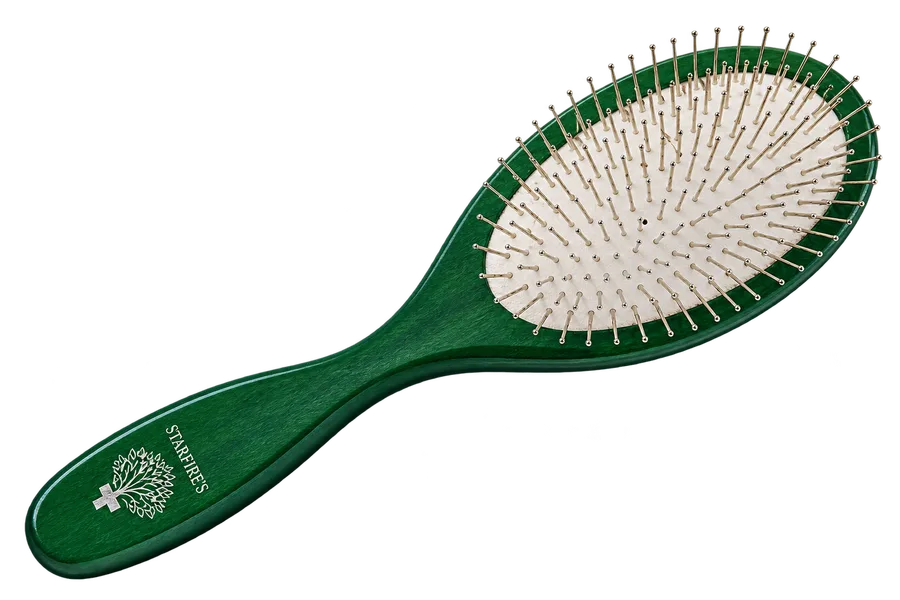
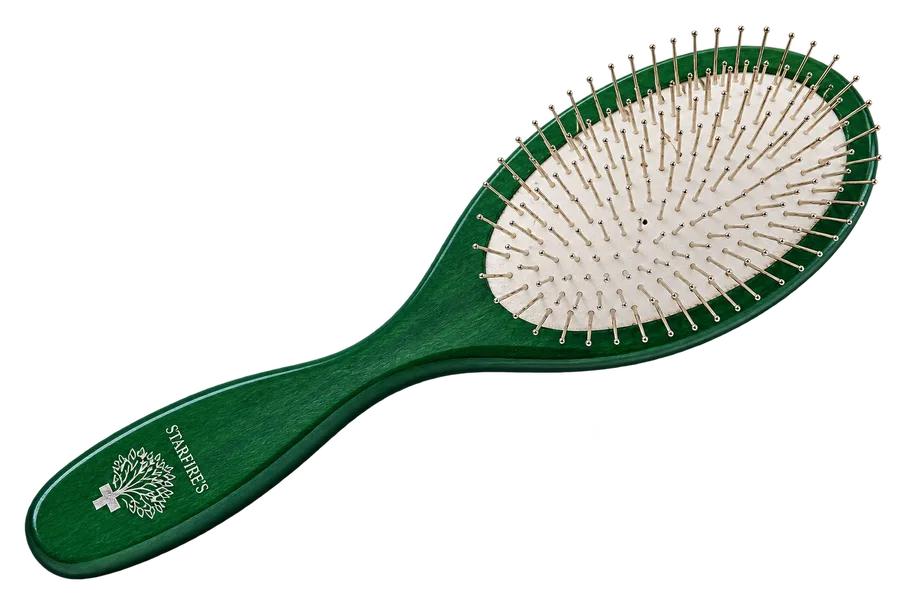
A slicker-style brush is essential. For smaller cats or delicate areas, the Small Size Metallic Brush with Extra Long Tines works well. Its long, soft-tipped tines can penetrate dense undercoats without scratching the skin. For larger cats or broader areas of the body, the Big Size Metallic Brush offers more coverage.
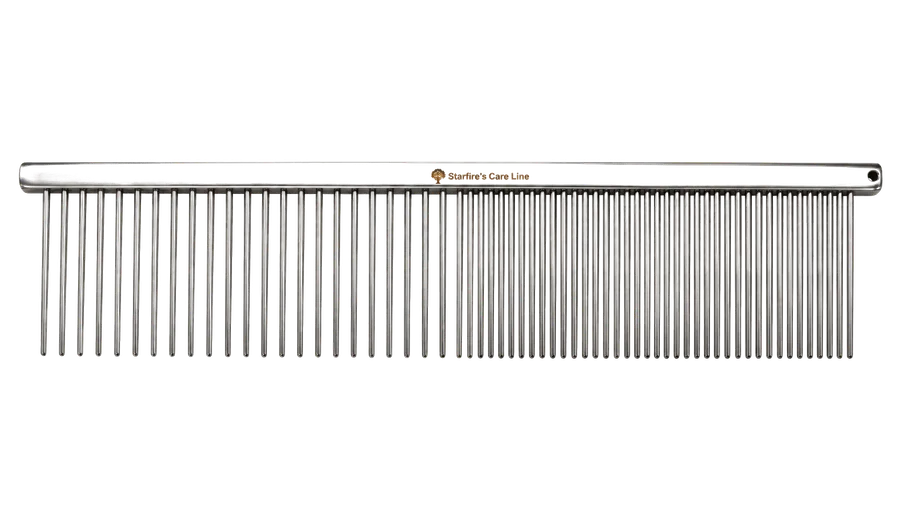
After brushing, a professional comb helps check for any missed tangles. Professional Combs are useful for gently working through the coat and ensuring no mats remain. A wide-tooth comb can define curls without breaking them up, and the large comb is good for a final check from root to tip.
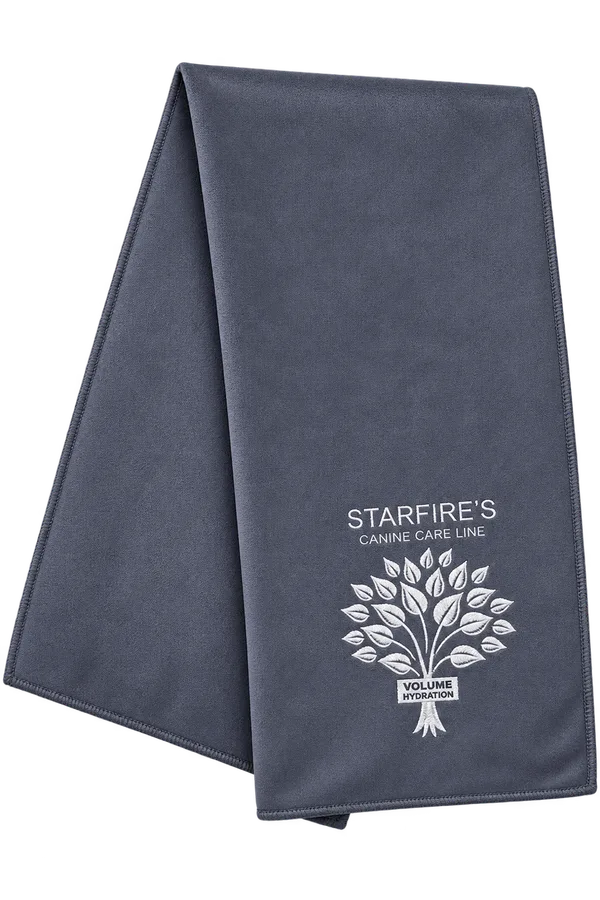
Finally, a large, absorbent towel can be useful, especially if your cat has tear stains that need cleaning. The Big Size Microfiber Towel is gentle on the coat and highly absorbent.
The Brushing Routine
Start your grooming sessions when your cat is relaxed. Short, frequent sessions are often better than long, infrequent ones. Find a quiet spot and use a gentle touch.
-
Start with a Slicker Brush: Use either the Small Size Metallic Brush with Extra Long Tines or the Big Size Metallic Brush. Brush in the direction of hair growth. Start at the head and work your way back, then down the sides and legs. Use short, gentle strokes. The goal is to remove loose undercoat and surface tangles. Pay close attention to areas prone to matting, like behind the ears, under the arms, and around the hind legs.
-
Work in Sections: For very dense coats, part the fur and brush in layers. This ensures you are reaching the undercoat effectively. Brush small sections at a time, making sure to get down to the skin without irritating it.
-
Check with a Comb: Once you have brushed an area with the slicker brush, follow up with a Professional Combs. Run the comb through the fur from root to tip. If the comb glides through easily, the section is mat-free. If it snags, you have found a tangle.
Handling Mats and Tangled Fur
If you find a mat, do not pull on it. This can hurt your cat and make them resistant to future grooming. Instead, gently try to work it out.
-
Isolate the Mat: Hold the fur at the base of the mat, close to the skin, to prevent pulling. This protects your cat’s skin from discomfort.
-
Gently Tease Apart: Use the wide-tooth end of your Professional Combs. Start at the very edge of the mat and gently pick at it, working small sections of hair free. Work slowly and patiently. You can also use the tips of the slicker brush to gently tease out the mat, always holding the skin to prevent pulling.
-
Never Cut with Scissors: Do not use scissors to cut out mats. It is very easy to accidentally cut a cat’s skin, which is thin and loose. If a mat is too tight to comb out, it is best to consult a professional groomer.
Finishing Touches
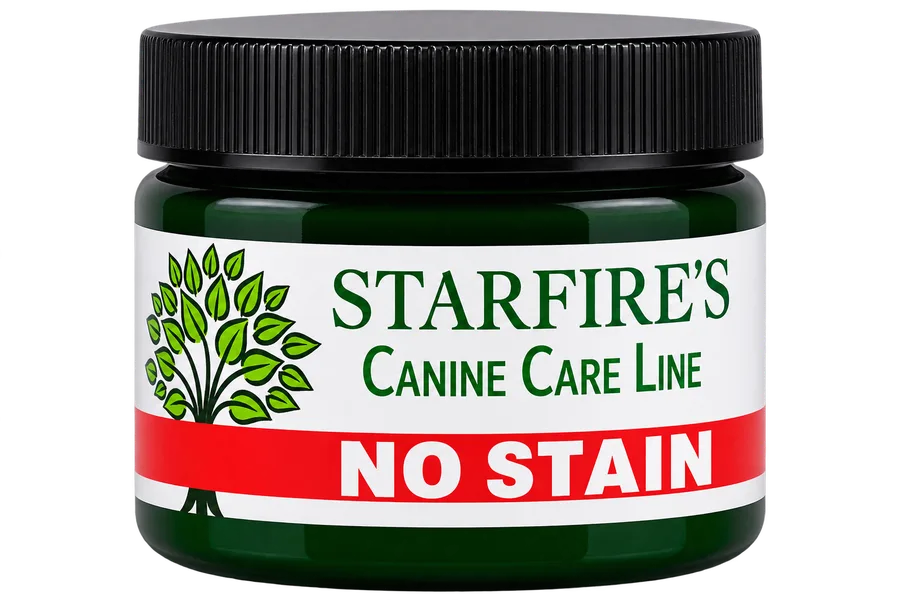
After brushing, you can address other grooming needs. For cats with tear stains, especially flat-faced breeds, daily application of No Stain can help. Apply it with a clean cotton swab around the eyes. Remember to never dip your fingers into the jar to keep the powder clean.
If your cat needs a bath, use a shampoo made for cats. Afterward, blot the coat with the Big Size Microfiber Towel to absorb excess water before allowing them to air dry or using a low-heat dryer designed for pets.
Regular, gentle grooming builds trust and keeps your double-coated cat’s fur in top condition. You can find all the tools you need for cat grooming in our Grooming Tools collection.
What you need
- Small Size Metallic Brush with Extra Long Tines: for brushing smaller cats or delicate areas.
- Big Size Metallic Brush: for brushing larger cats and broad areas of coat.
- Professional Combs: for checking for tangles and gently working out small mats.
- No Stain: for daily application to help with tear stains around the eyes.
- Big Size Microfiber Towel: for blotting excess water after a bath or cleaning.
For a routine built for your specific pet, visit our Grooming Advisor.