





Pets shed. It is a natural process for them to replace old or damaged hair. Many pets shed more during certain times of the year. This is often called seasonal shedding. While you cannot stop shedding, you can help manage it. Regular bathing and proper drying can make a difference. It helps remove loose hair before it ends up on your furniture or clothes.
Understanding Seasonal Shedding
Most pets shed more as the seasons change. For example, many dogs and cats grow a thicker coat in winter. They then shed this heavier coat in spring to prepare for warmer weather. In fall, they might shed their summer coat to make room for a new, denser winter coat. This natural cycle helps them adapt to temperature changes. It is a normal part of having a pet.
The Benefits of a Good Bath
A bath does more than just clean your pet. When done correctly, it can be a very effective way to remove a lot of loose, dead hair. The water and shampoo help to loosen hair that is already ready to fall out. The friction from washing and rinsing also helps to dislodge it. This means less hair to brush out later, and less hair around your home.
Pre-Bath Brushing
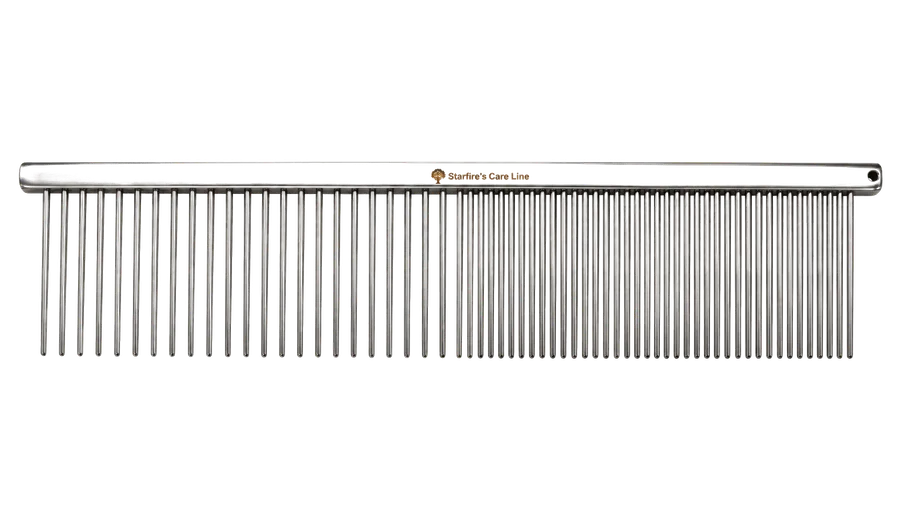
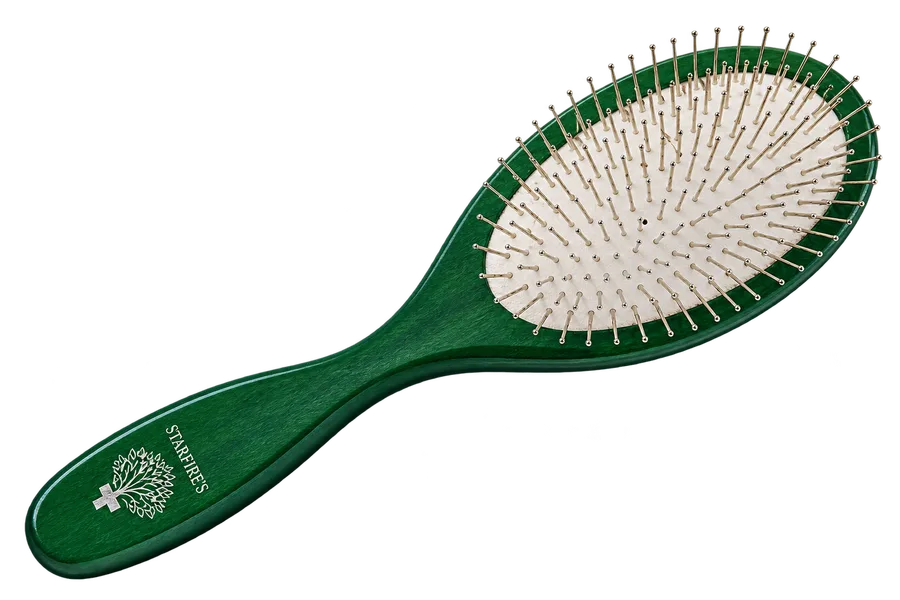
Before you even get your pet wet, take time to brush them thoroughly. This is a very important step. Brushing before a bath helps remove the initial layer of loose hair. It also helps untangle any minor mats or knots. Water can tighten mats, making them harder to remove after a bath. Use a brush type suited for your pet’s coat. A slicker brush or an undercoat rake are good choices for many shedding breeds. Spend a good 10-15 minutes on this step.
Choosing the Right Shampoo
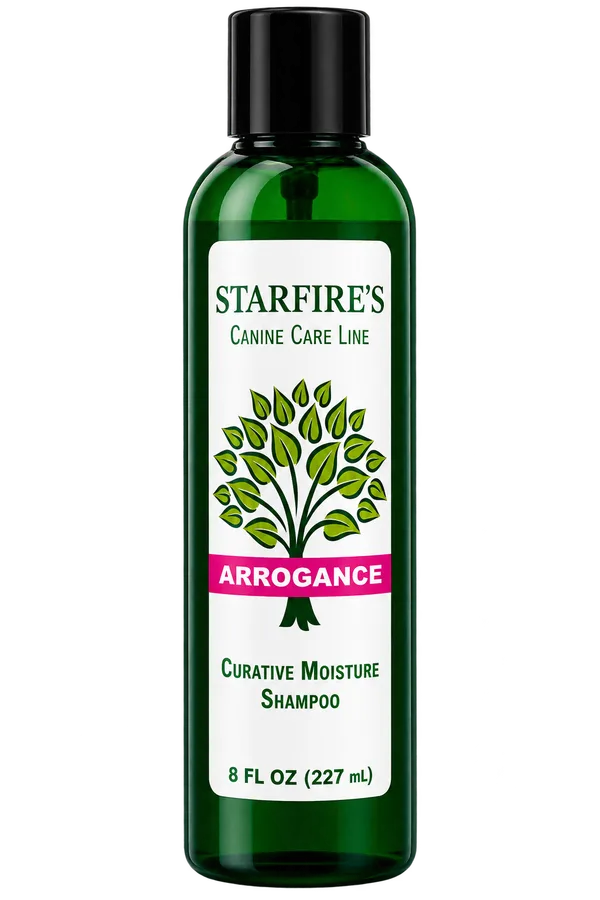
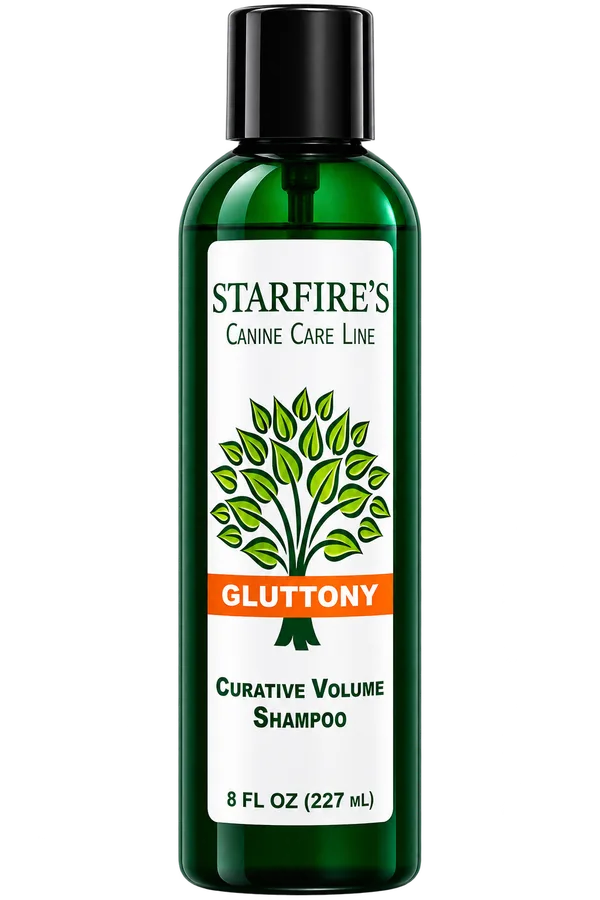
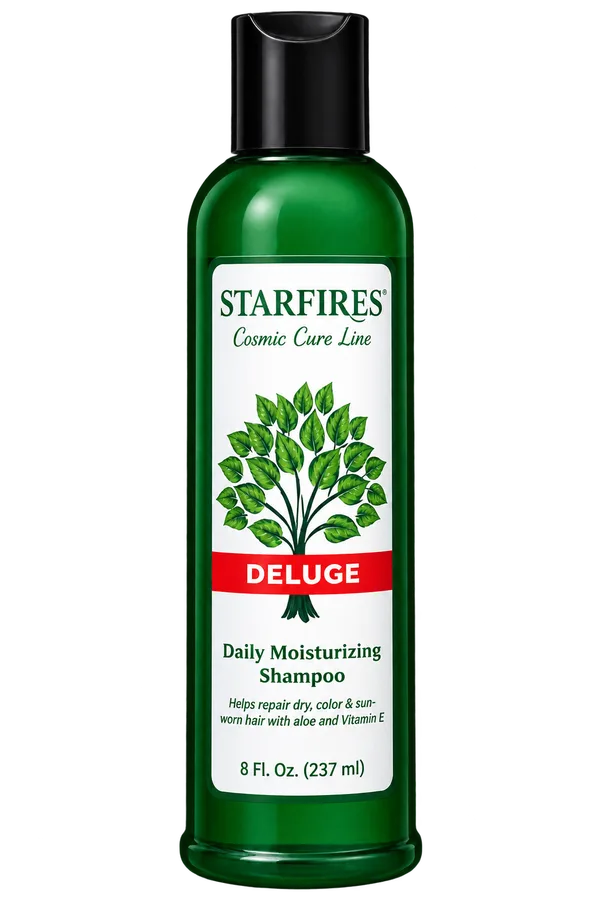
Selecting a gentle, effective shampoo is key. You want a product that cleans well without stripping natural oils from the skin and coat. A clean, healthy coat sheds more efficiently. For a gentle yet effective cleanse, consider a product like Deluge. It is designed for a gentle wash and helps keep coats clean and soft. Avoid harsh shampoos that can irritate the skin. Irritated skin can sometimes lead to more shedding.
Bathing Technique for Shedding
Once your pet is brushed, it is time for the bath.
First, thoroughly wet your pet’s coat with lukewarm water. Make sure the water penetrates all the way to the skin. This can take a few minutes for pets with thick coats.
Apply shampoo, starting from the neck and working your way down to the tail. Lather the shampoo well. Use your fingertips to gently massage it into the coat, reaching the skin. Work the shampoo in all directions. This helps lift and loosen dead hair.
Rinse your pet thoroughly. This is another crucial step. Any shampoo residue left behind can irritate the skin and make the coat dull. Rinse until the water runs clear and you no longer feel any slipperiness on the coat.
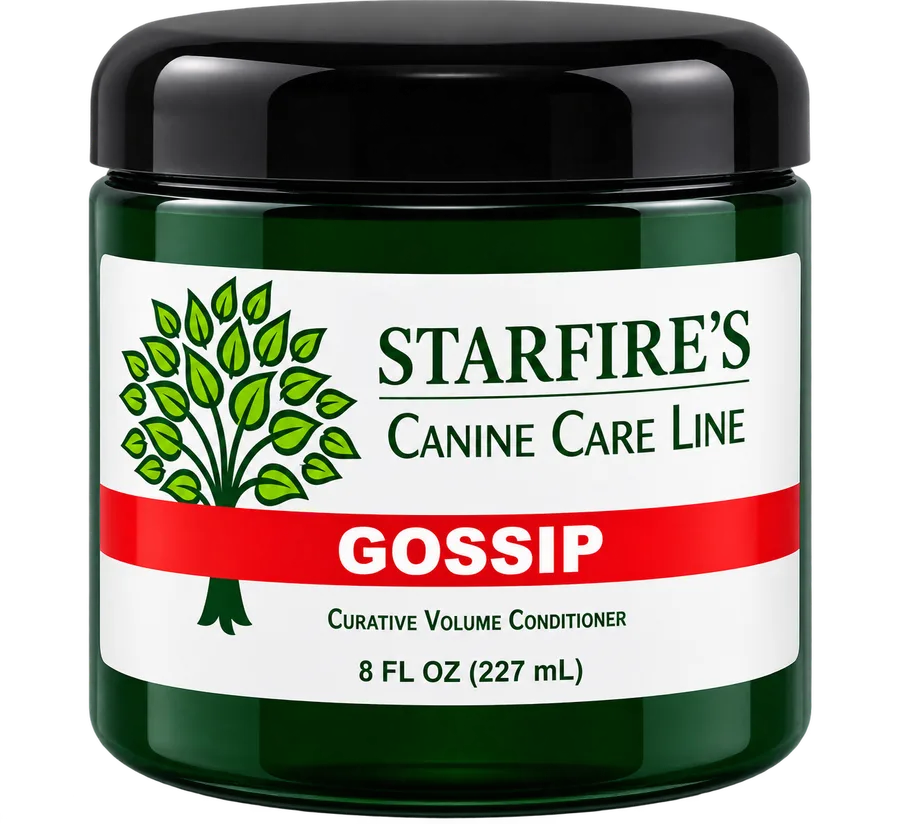
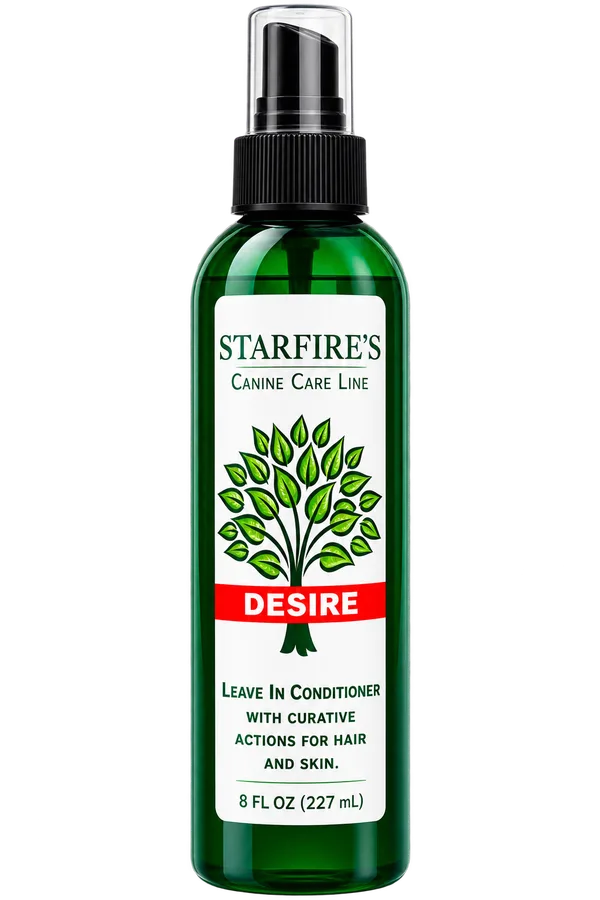
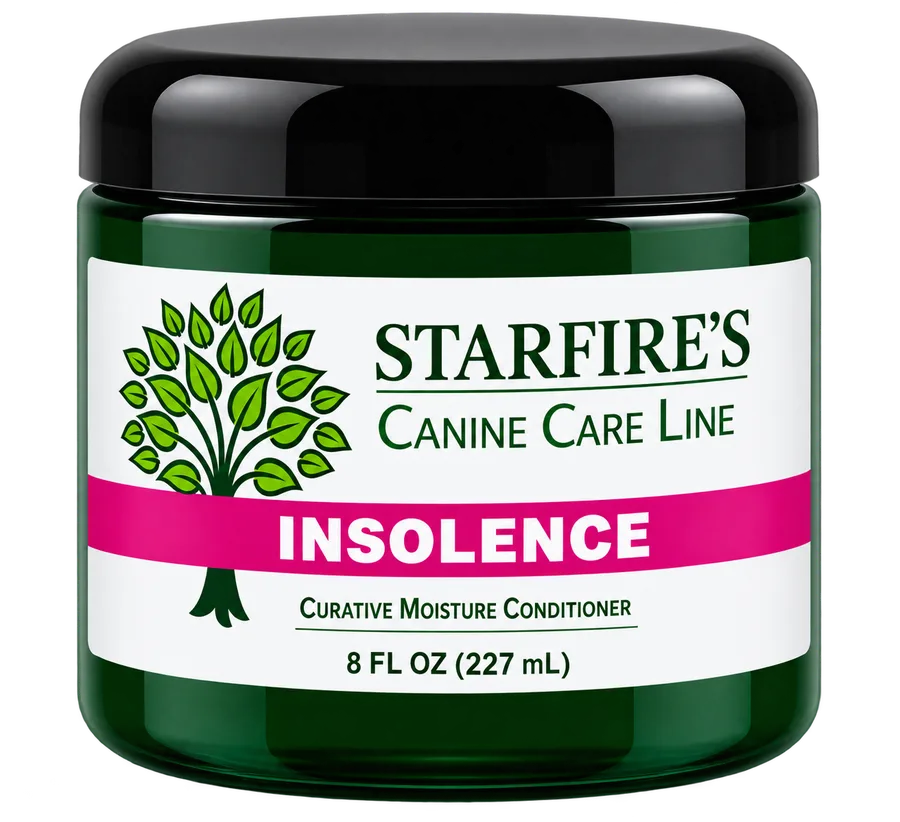
For very heavy shedding, a second shampoo application might be helpful. Follow with a good conditioner. A hydrating conditioner, like Insolence, can help restore moisture and softness to the coat. This helps keep the hair shaft healthy and less prone to breakage. Apply the conditioner, let it sit for a few minutes if directed, then rinse completely.
The Drying Process
Drying is just as important as bathing for shedding management. It is often where a lot of the loose hair comes off.
Start by towel drying your pet. Gently squeeze excess water from the coat. Do not rub too vigorously, as this can create tangles.
If you have a high-velocity pet dryer, this is the best tool for shedding. The strong airflow pushes out loose hair from the coat. Direct the air against the direction of hair growth to lift the coat and blast out dead undercoat. Always keep the dryer moving to avoid overheating one spot.
If you do not have a high-velocity dryer, a human hairdryer on a cool or low-heat setting can work. Hold it a good distance from your pet to prevent burns. As you dry, continuously brush your pet. A slicker brush or pin brush can help pull out more of the loosened hair. Keep brushing until the coat is completely dry. Any dampness can lead to skin issues or matting.
Post-Bath Brushing and Maintenance
After the bath and dry, give your pet one last thorough brushing. You might be surprised how much more hair comes out. This final brush helps ensure all the loose hair is gone.
Between baths, continue with a regular brushing routine. How often you brush depends on your pet’s coat type and how much they shed. For heavy shedders, daily brushing might be needed. For others, a few times a week could be enough. Consistent brushing helps manage shedding and keeps the coat healthy and free of tangles.
Conclusion
Managing seasonal pet shedding takes effort, but it is a manageable part of pet ownership. Regular bathing, combined with proper brushing and drying techniques, can significantly reduce the amount of loose hair your pet leaves around. It is a practical way to keep your pet comfortable and your home cleaner during shedding seasons.