









Many people think short-haired cats do not need baths. It is true that cats are very good at keeping themselves clean. But a regular bath can help your short-haired cat. It can remove loose hair, dander, and oils that build up. This can mean less shedding in your home. It also helps keep their skin and coat healthy and clean.
Preparing for the Bath
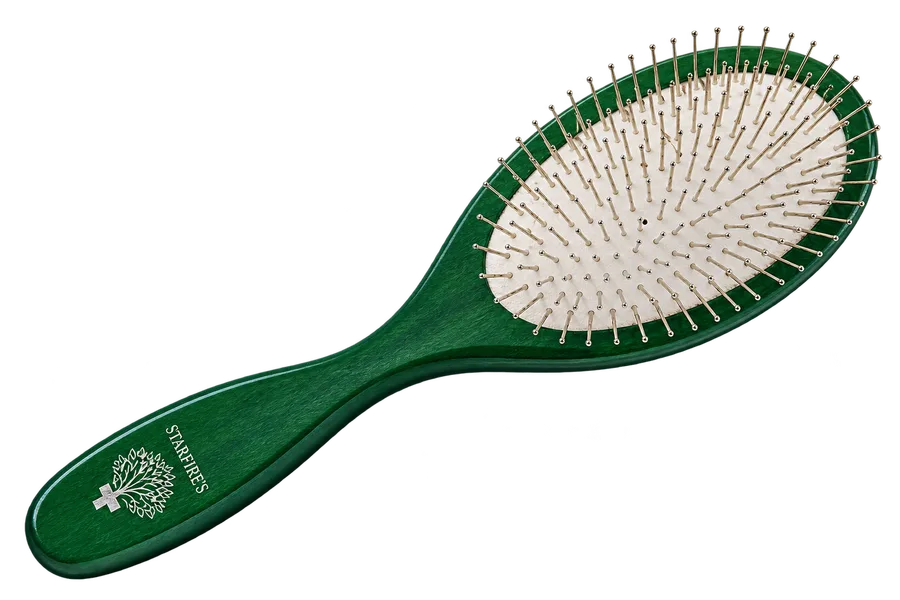
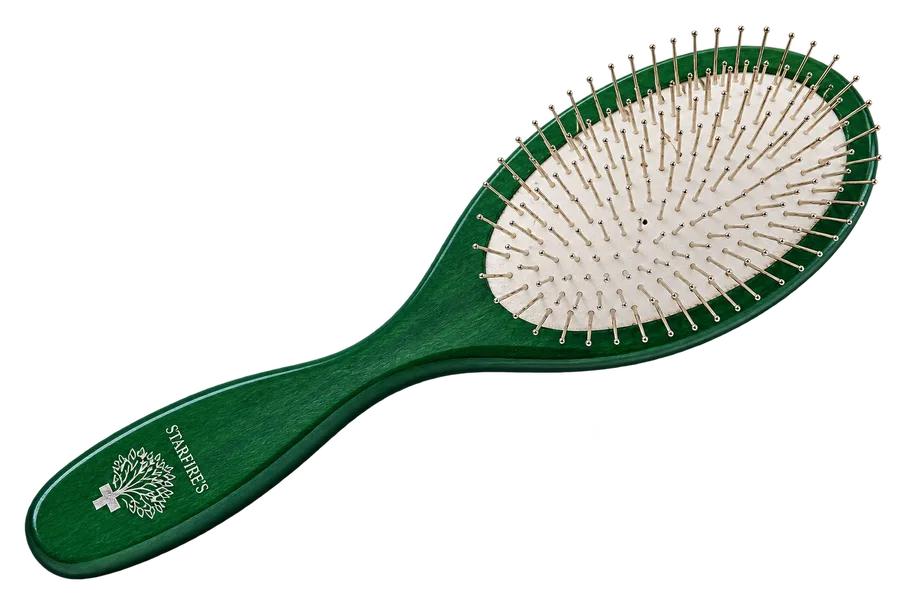
Before any water touches your cat, do some preparation. This makes the bath less stressful for both of you. Start by brushing your cat to remove as much loose hair as possible. This also helps work out any small tangles before they get wet and tighten. Use a gentle brush designed for cats. For short-haired cats, a Small Size Metallic Brush with Extra Long Tines can reach through the coat to the skin. If you have a larger cat, the Big Size Metallic Brush can cover more area efficiently.
Have everything ready before you start. This includes a shampoo made specifically for cats, towels, and a non-slip mat for the tub or sink. Keep the water temperature warm, not hot.
The Bath Itself
Place your cat gently into the prepared tub or sink. Use a handheld sprayer or a cup to wet their coat thoroughly. Be careful to avoid getting water in their ears or eyes. Apply a small amount of cat-specific shampoo. Work it gently into their coat, massaging from neck to tail. Focus on areas where they might get dirtier, like their paws and belly. Rinse your cat’s coat completely. Make sure all shampoo is gone. Leftover shampoo can irritate their skin. After rinsing, use a Big Size Microfiber Towel to blot as much water from their coat as you can.
Drying Your Cat
After the bath, wrap your cat in a fresh, dry Big Size Microfiber Towel. Gently rub to absorb more moisture. Most short-haired cats can air-dry in a warm, draft-free room. If your cat tolerates it, you can use a hairdryer on a very low, cool setting, held far from their body. Always keep the dryer moving. Do not aim it at their face. The goal is to get them dry enough to avoid chills.
Between Baths: Brushing for Shedding Control
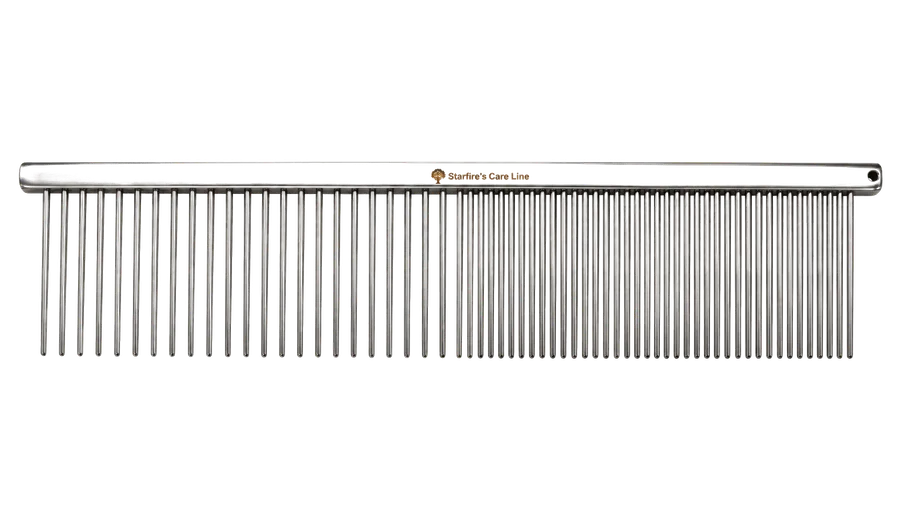
Regular brushing is key to managing shedding and maintaining coat health between baths. Short-haired cats still shed, and brushing helps remove dead hair before it ends up on your furniture. Aim for daily or every-other-day brushing. A Small Size Metallic Brush with Extra Long Tines is excellent for daily use, reaching deep into the coat. For larger cats or broad areas, the Big Size Metallic Brush is helpful. Follow up with Professional Combs to ensure no small tangles or mats are forming, especially around the ears or under the legs. Running a comb through the coat after brushing can also help gather any remaining loose hairs.
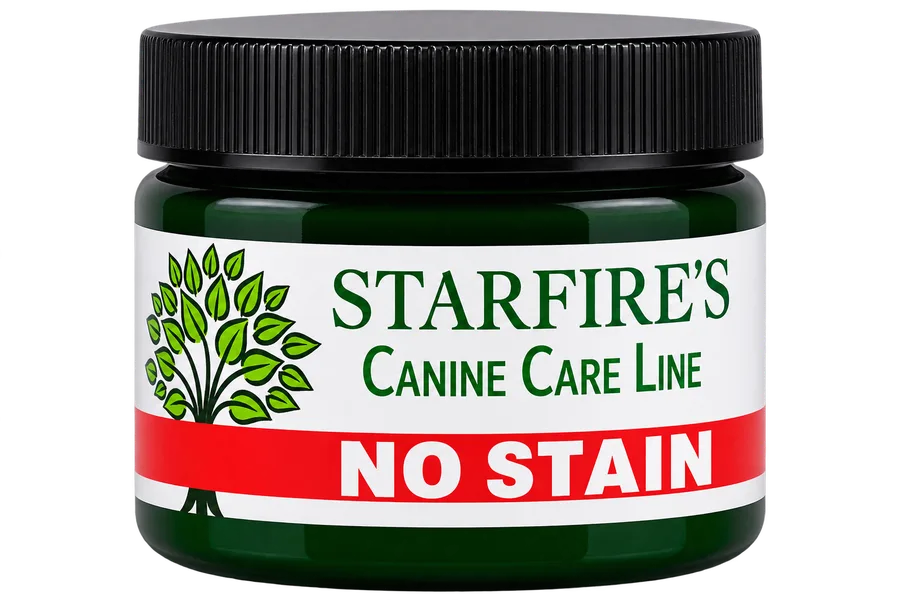
Some short-haired breeds, especially those with flat faces, can develop tear stains. For these, daily application of No Stain can help keep the area clean. Apply it with a clean cotton swab. Never dip your fingers into the jar.
What you need
- Small Size Metallic Brush with Extra Long Tines: for brushing your cat’s coat before and between baths.
- Big Size Metallic Brush: for brushing larger short-haired cats.
- Professional Combs: for checking for tangles and removing loose hair after brushing.
- Big Size Microfiber Towel: for blotting your cat’s coat dry after a bath.
- No Stain: for daily care around your cat’s eyes to help with tear stains.
If you want a routine built for your pet, visit our Grooming Advisor for personalized guidance.