








Long-haired cats are beautiful companions. Their flowing coats do require regular care to stay healthy and free of mats. Bathing your long-haired cat at home can be a helpful part of this routine. A good bath helps remove loose fur and dirt that can contribute to tangles. It also cleans the coat, making it less prone to knotting.
Prepare for the Bath
Before you even think about water, gather everything you need. This makes the process smoother for both you and your cat. Have a cat-specific shampoo ready. Prepare a few soft towels, including a large, absorbent one, and your grooming tools. Choose a calm time when your cat is relaxed. A quiet bathroom works well.
Brush Thoroughly Before Bathing
This is a crucial step for long-haired cats. Never put a cat with mats or tangles into the bath. Water will tighten existing mats, making them much harder to remove. Before bathing, brush your cat’s entire coat thoroughly. This removes loose fur and works out any small tangles.
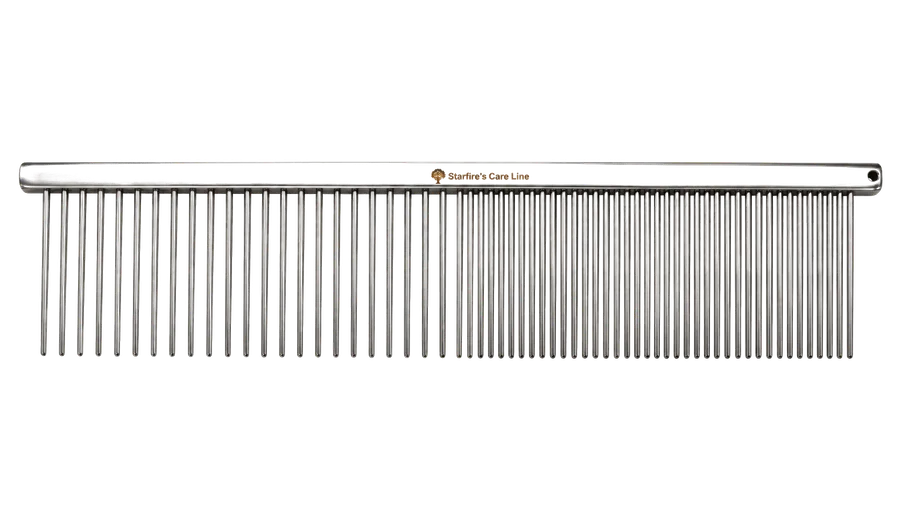
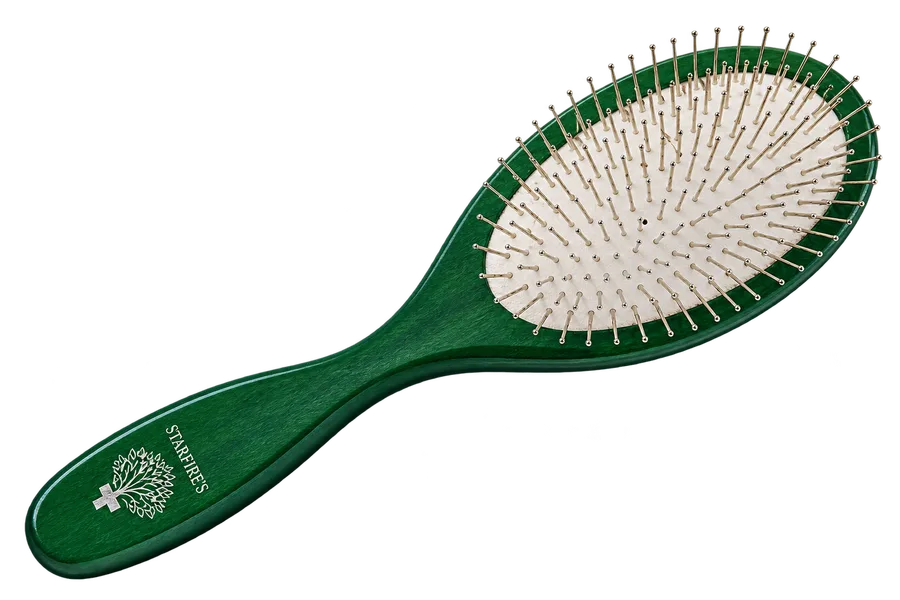
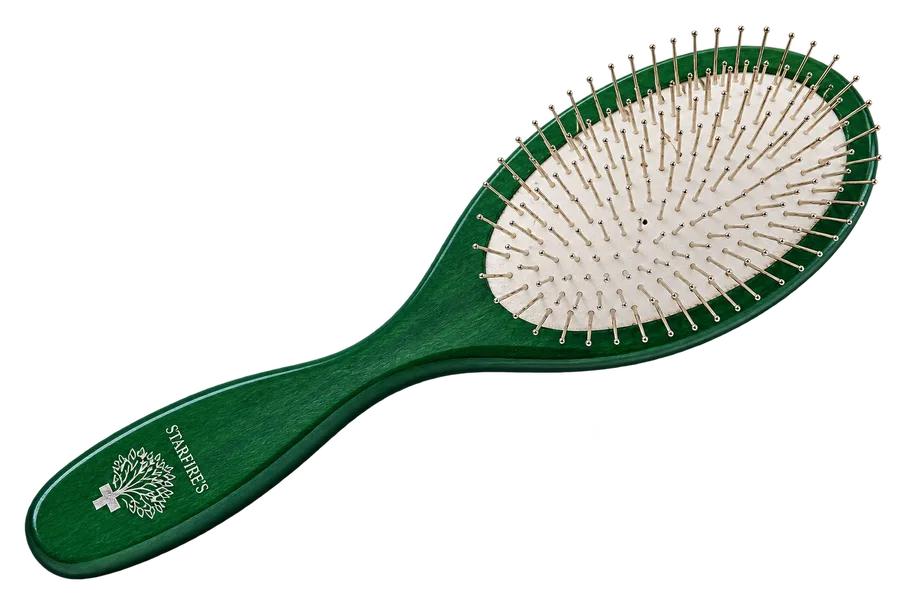
Use a slicker-style brush with long tines that can reach through dense fur. The Small Size Metallic Brush with Extra Long Tines is designed to get deep into the coat without scratching the skin. For larger cats or broad areas, the Big Size Metallic Brush can be helpful. Follow up with a comb, like the Professional Combs, to check for any hidden knots, especially behind the ears, under the legs, and on the tail. If you find any significant mats, it is best to address them before the bath, possibly with a professional groomer.
The Bathing Process
Once your cat is brushed and free of tangles, you can begin the bath. Use lukewarm water that is comfortable to the touch. Gently wet your cat’s coat, avoiding their face and ears. Apply a shampoo made for cats, working it gently into the fur. Focus on cleaning the coat without scrubbing too hard, which can create new tangles. Rinse thoroughly with warm water. Make sure all shampoo is removed. Any residue can irritate the skin or make the coat feel sticky.
After rinsing, blot as much water as possible from the coat using a Big Size Microfiber Towel. Microfiber is very absorbent and will help speed up drying. Gently squeeze the fur, but do not rub vigorously. Rubbing can cause tangles to form.
Drying Your Long-Haired Cat
Thorough drying is important to prevent matting and keep your cat comfortable. Continue to blot with the microfiber towel until the coat is damp, not dripping. You can allow your cat to air dry in a warm, draft-free room. If your cat tolerates a low-setting blow dryer, you can use it on a cool or low-heat setting, keeping it moving constantly. Always keep the dryer at a safe distance from your cat’s skin.
As the coat dries, gently brush it again with your slicker brush and comb. This helps separate the hairs and prevents tangles from forming as the fur dries. Pay special attention to areas prone to matting. Ensure the coat is completely dry before letting your cat roam freely, especially in cooler environments.
Between Baths: Daily Care
Bathing is one part of preventing mats, but daily brushing is your main tool. A few minutes each day with the right brush and comb can keep your long coat smooth and healthy. Regular brushing removes shedding hair before it can tangle. For flat-faced cat breeds, tear stains can be a concern. You can use No Stain daily to keep the fur around their eyes clean. Apply it with a clean cotton swab, never dipping your fingers into the jar.
Consistent grooming helps your long-haired cat stay comfortable and beautiful. It also strengthens the bond between you and your pet.
What you need
- Small Size Metallic Brush with Extra Long Tines: for reaching through dense coat before and after bathing.
- Professional Combs: for checking for tangles after brushing and during drying.
- Big Size Microfiber Towel: for blotting excess water after rinsing.
- No Stain: for daily care around the eyes of flat-faced cat breeds.
For readers who want a routine built for their own pet, visit the Grooming Advisor.