




Bathing a long-haired cat can seem like a big task, but it is an important part of keeping their coat healthy and comfortable. Regular baths help to remove loose hair, dirt, and dander. This can prevent mats and keep their skin healthy. A clean coat is also a soft coat. It is all about the right preparation and gentle technique.
Before the Bath: Essential Preparation
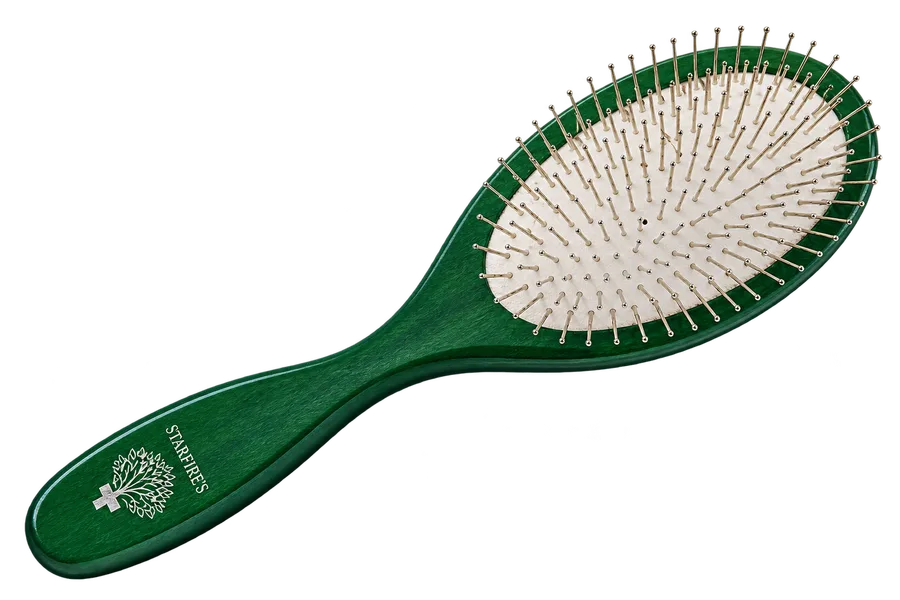
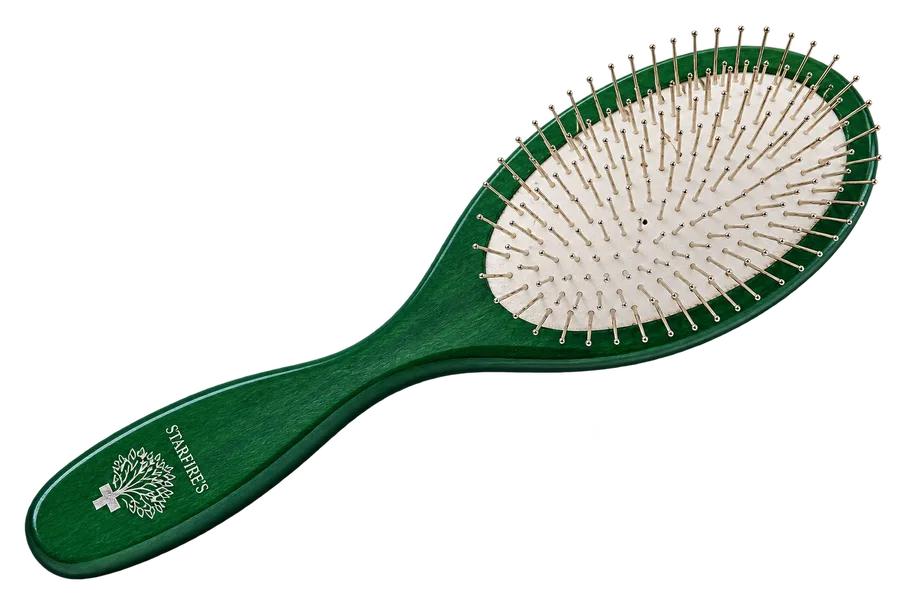
Preparation is key for a smoother bathing experience for both you and your cat. Start by brushing your cat thoroughly. This removes as much loose hair and as many small tangles as possible before the bath. Water can tighten existing mats, making them harder to remove later. Use a slicker-style brush to get through the coat. Our Small Size Metallic Brush with Extra Long Tines is good for reaching into dense coats without scratching the skin. For larger areas, you might prefer the Big Size Metallic Brush. Always brush gently, working from the ends of the hair towards the skin. If you find a mat that cannot be brushed out, it is better to carefully clip it out before the bath.
After brushing, gather all your supplies. This includes a shampoo made for cats, a cat-specific conditioner if you use one, towels, and a comb. Having everything ready minimizes stress during the bath.
The Bath Itself: Gentle Cleansing
Choose a quiet time when your cat is relaxed. Fill a sink or a small tub with a few inches of warm water. The water should be comfortable, not too hot or too cold. Gently place your cat into the water, speaking to them calmly. Wet their coat thoroughly, avoiding their eyes and ears. Use a shampoo made for cats, applying it gently and working it into their coat. Focus on areas that get dirtier, like under the belly and around the tail. Rinse the shampoo completely with warm water. Any leftover shampoo can irritate the skin or leave a residue. If you use a cat-safe conditioner, apply it now according to its directions, then rinse it out thoroughly with cool water to help seal the hair cuticle. This step helps the coat stay soft and shiny.
After the Bath: Drying and Detangling
Once the bath is done, blot your cat’s coat with a soft, absorbent towel. Our Big Size Microfiber Towel is excellent for this. Blotting removes excess water without rubbing, which can create tangles. Avoid rubbing vigorously, as this can rough up the coat and lead to frizz or mats. If your cat tolerates a dryer, use one on a low, cool setting. Keep the dryer moving to avoid hot spots. Many cats prefer to air dry in a warm, draft-free room. You can also use a diffuser on a low setting if your cat is comfortable.
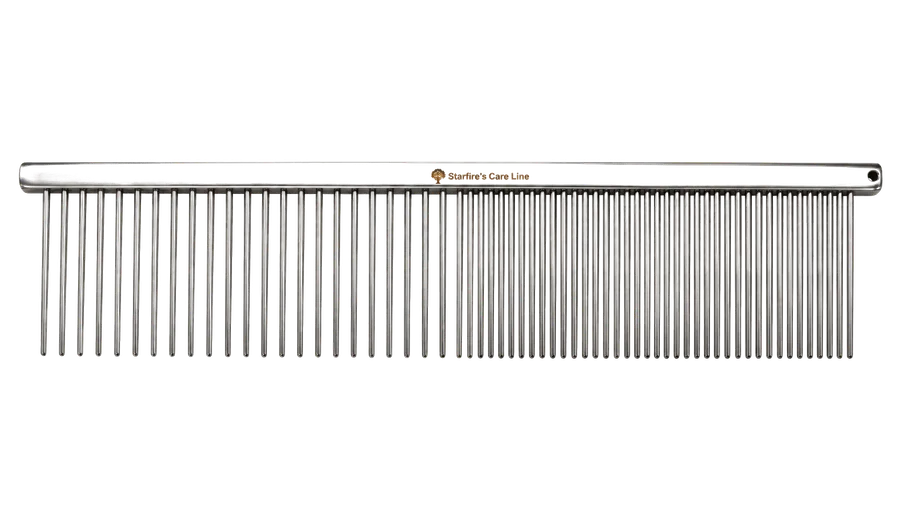
Once the coat is damp or nearly dry, it is time for another gentle brush and comb-through. Use a Professional Combs to check for any remaining tangles. The wide-tooth comb can help separate strands without pulling. This final comb-through helps the coat dry evenly and prevents new mats from forming.
Keeping the Face Clean
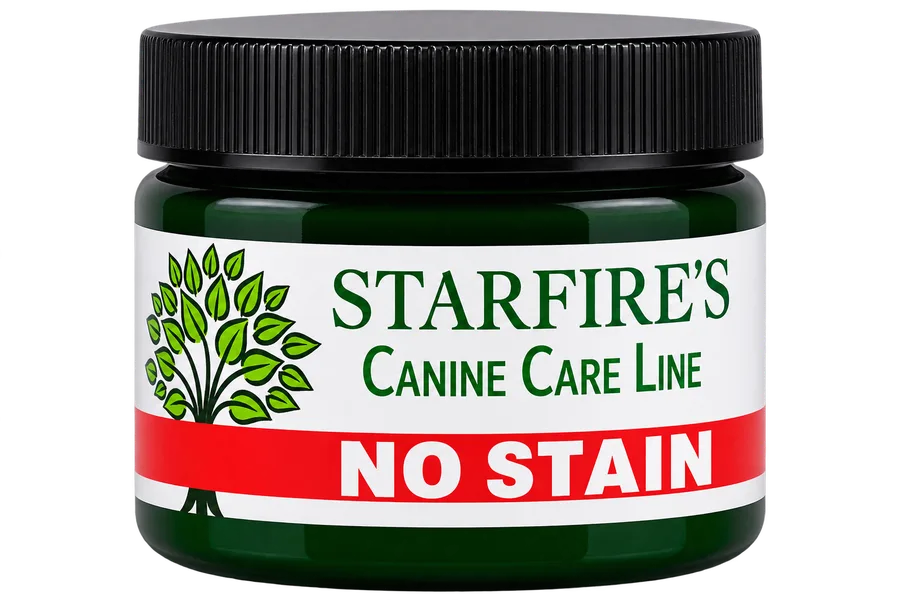
Long-haired cats, especially those with flat faces, can sometimes develop tear stains. These are often made worse by moisture and diet. While bathing can help clean the fur around the eyes, daily care is important. Use No Stain, a powder designed for both dogs and cats, to address tear stains. Apply a small amount with a clean cotton swab to the stained areas. Never dip your fingers into the jar; this keeps the powder clean and effective.
Bathing your long-haired cat is a thoughtful process. With the right tools and a gentle touch, you can keep their coat beautiful and healthy.
What you need
- Small Size Metallic Brush with Extra Long Tines: used for pre-bath brushing and detangling.
- Big Size Metallic Brush: used for pre-bath brushing on larger areas of coat.
- Big Size Microfiber Towel: used for blotting the coat after rinsing.
- Professional Combs: used for detangling and checking for knots after the bath.
- No Stain: used daily to manage tear stains around the eyes.
For more help choosing the right tools for your specific pet, visit our Grooming Advisor page.