







Double-coated cats have beautiful, dense fur. This coat keeps them warm and protected. But it also means they need special grooming, especially when it comes to bathing. Regular baths can help manage shedding, prevent mats, and keep their skin healthy. It can seem like a big job, but with the right steps and tools, you can give your cat a comfortable bath at home.
Preparing for the Bath
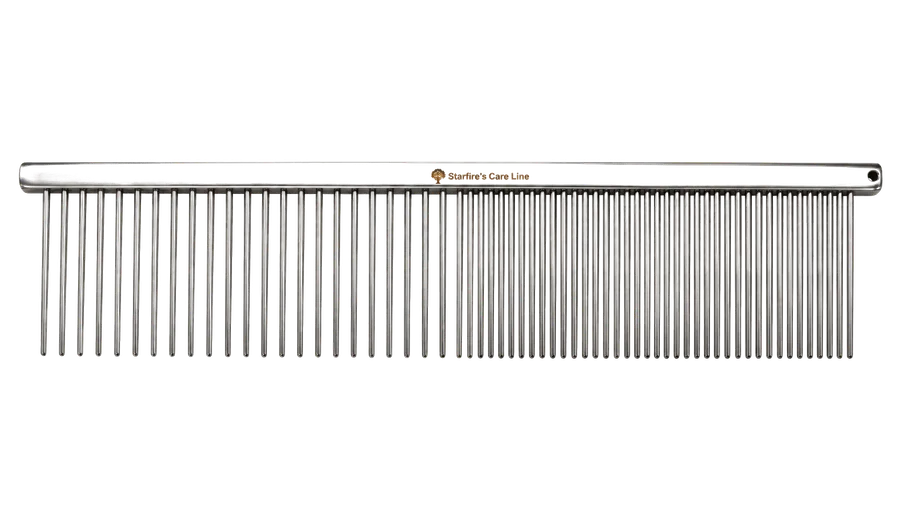
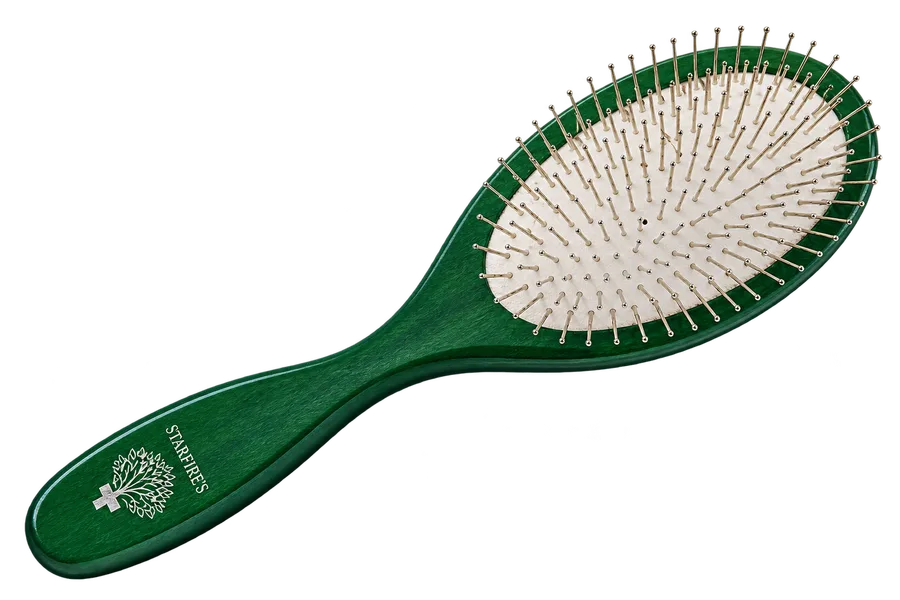
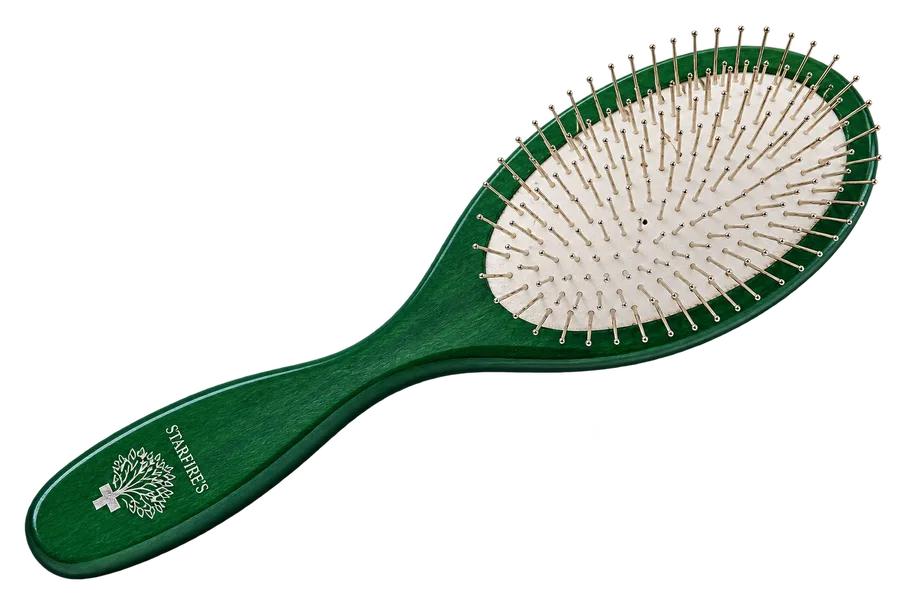
Preparation makes bath time much easier for both you and your cat. The most important step before any bath is a thorough brush-out. Double coats can hold a lot of loose fur, and water can tighten any existing tangles into stubborn mats. Use a brush that can reach through the dense outer coat to the softer undercoat. A Small Size Metallic Brush with Extra Long Tines is good for smaller areas and reaching deep, while a Big Size Metallic Brush works well for larger cats and broader sections of coat. Follow up with Professional Combs to check for any remaining knots. This pre-bath brushing removes loose hair and helps prevent matting during the wash.
Gather everything you need before you start. This includes a shampoo made specifically for cats, towels, and a non-slip mat for the tub or sink. A calm environment helps too. Close doors and keep other pets away.
The Bath Itself
Fill the tub or sink with a few inches of lukewarm water. The water should be comfortable, not too hot or too cold. Gently lower your cat into the water. Speak to them calmly and reassuringly. Use a cup or a sprayer with low pressure to wet their coat thoroughly. Be careful around their face, ears, and eyes.
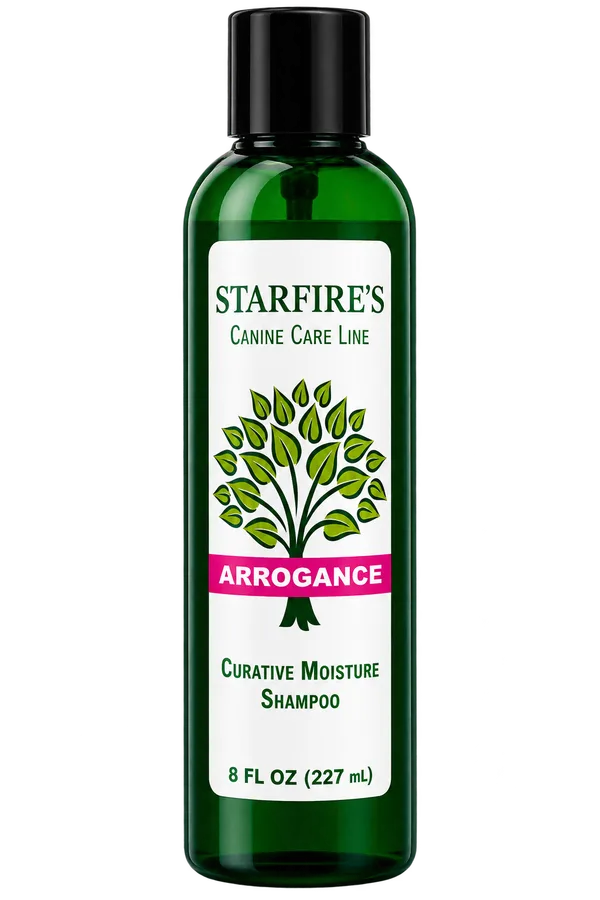
Apply a shampoo made for cats, working it gently into their coat. Focus on massaging it down to the skin, especially in dense areas. Rinse the shampoo out completely. This is very important for double coats. Any shampoo residue left behind can irritate the skin or make the coat feel sticky and dull. Rinse until the water runs clear and their fur feels squeaky clean. Finish with a cool rinse to help close the hair cuticles.
Drying Your Cat
After rinsing, your cat will be very wet. Gently blot as much water as you can from their coat using a soft, absorbent towel. A Big Size Microfiber Towel is excellent for this. Microfiber absorbs a lot of water quickly without rough rubbing, which can tangle the coat.
Never wrap your cat tightly in a towel, as this can pull on their fur. Instead, blot and squeeze the water out. For double-coated cats, air drying alone can take a long time and sometimes lead to matting if not brushed. You can use a pet-safe dryer on a low, cool setting. Keep the dryer moving and avoid directing hot air onto your cat’s skin. Brush their coat gently as it dries. This helps separate the hairs and allows air to circulate, speeding up the drying process and preventing tangles.
Post-Bath Care and Maintenance
Once your cat is fully dry, give their coat another gentle brush with your Small Size Metallic Brush with Extra Long Tines or Big Size Metallic Brush. This ensures all the fur is smooth and tangle-free. Regular brushing between baths is key for maintaining a double coat, reducing shedding, and preventing mats. Aim for a quick brush several times a week.
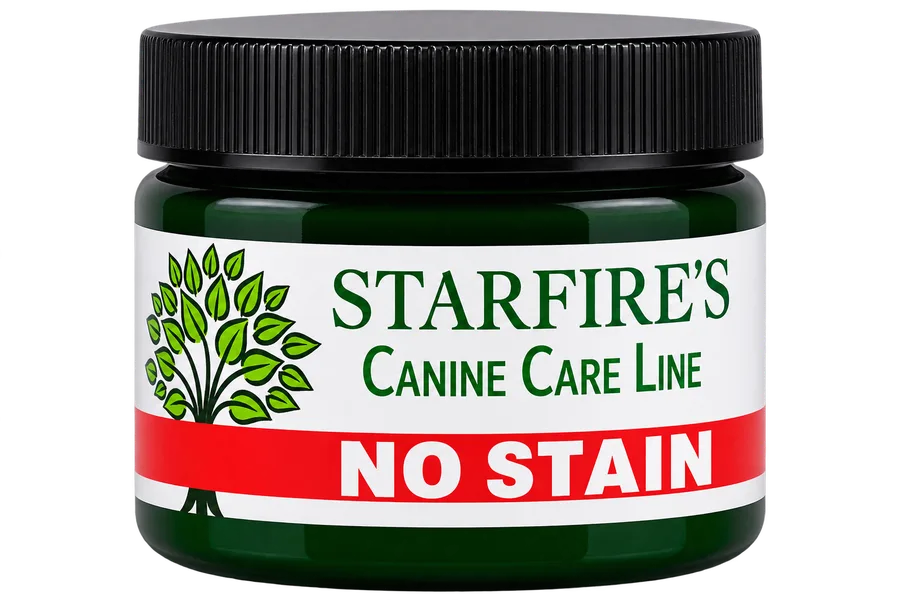
If your cat has tear stains, especially common in flat-faced breeds, you can address them after bathing. Use No Stain, a daily powder, to help keep the area clean. Apply it with a clean cotton swab, taking care not to dip your fingers into the jar.
What you need
- Small Size Metallic Brush with Extra Long Tines: for pre-bath detangling and during drying.
- Big Size Metallic Brush: for brushing larger areas of coat before and after bathing.
- Professional Combs: to check for knots after brushing.
- Big Size Microfiber Towel: for blotting excess water after the bath.
- No Stain: for daily care of tear stains around the eyes.
For more grooming tips and to find the right tools for your pet, visit our Grooming Tools collection or explore our full range of routines.